
Rodent control in Rosebank covers both rats and mice, in everything from office towers and hotels to apartment blocks and large family homes. We survey the building to find which rodent you have and how it gets in, set lockable bait stations and traps, then help you seal the gaps so the problem stays solved.
Rats, mice, or both?
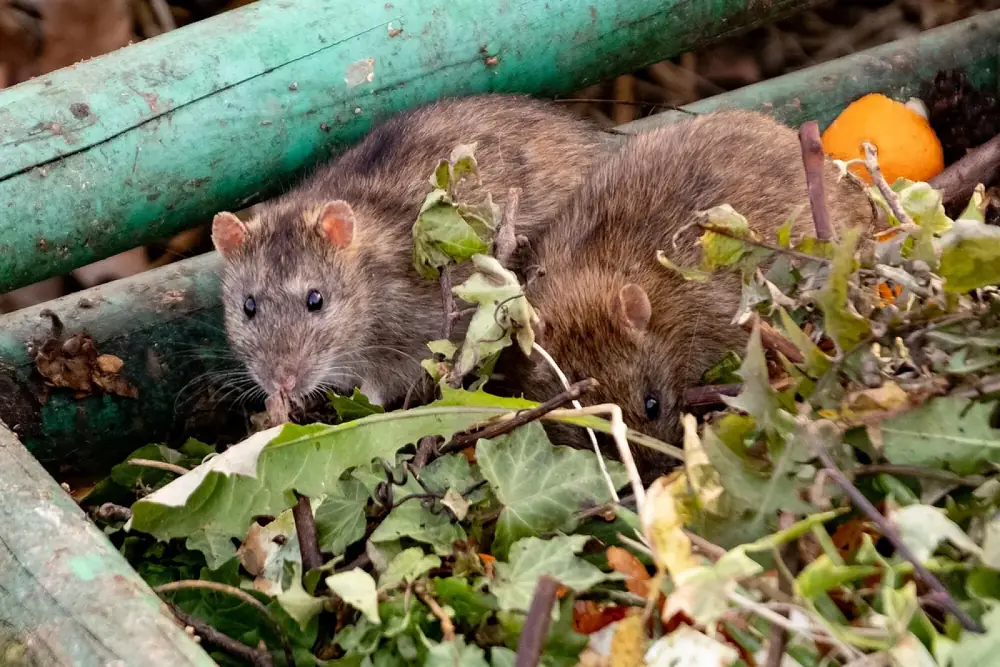
Most Rosebank callers do not know which rodent they have, and it matters. Roof rats are agile climbers that travel the tree canopy and live in ceilings and creeper-covered walls. Brown rats are heavier burrowers that live around drains, refuse rooms, compost and basements. House mice are small enough to squeeze through a gap the width of a pencil and are happiest in ceiling voids, service ducts and kitchen kick-plates. A large property near the old suburbs often has rats outside and mice indoors at the same time, which is why we treat this as one programme rather than two separate jobs.
Why Rosebank buildings get rodents
The commercial heart of Rosebank produces food waste in volume: restaurants, takeaways, hotel kitchens and office canteens, with refuse collected from shared bin areas and basements. That supports a steady population of brown rats and mice. Around it, the older suburbs offer tall trees, thick hedges, ivy-covered walls and old roofs where the eaves have opened up over time, which is roof rat territory. Many modern apartment buildings also have long cable and plumbing risers that let mice move between floors without ever being seen.
Winter brings the biggest increase. When Highveld nights drop towards freezing, rodents that spent summer outdoors look for warmth, and ceiling insulation, geysers and kitchen motors are the obvious places.
What a rodent programme involves
Survey
We look for droppings, gnaw marks, grease smears and runways, check roof spaces, plant rooms, bin areas and the perimeter, and note every gap where pipes, cables and ducts pass through walls.
Baiting and trapping
Outside and in plant areas we use lockable, tamper-resistant bait stations fixed in position, so bait cannot be dragged off or reached by children, pets or wildlife. Inside occupied spaces, food areas and roofs we lean on traps, and use tracking powder where we need to see exactly which routes rodents are using.
Proofing
We give you a written list of the openings to close: gaps under doors, unsealed service penetrations, damaged air bricks, open eaves and branches touching the roof. Some of this is a job for a handyman; we tell you what matters most.
Monitoring and records
For offices, hotels, restaurants and managed residential buildings we set up scheduled visits with a numbered station map and a record of each inspection. That paperwork is what food safety auditors, health inspectors and insurers expect.
Large homes and estates
On the big stands of Houghton, Saxonwold and Parktown, rodents tend to live in the garden and visit the house. Compost heaps, chicken runs, aviaries, bird feeders, pet food and fallen fruit all feed them. We place stations along boundary walls and outbuildings, check the roof, and advise on storing feed in sealed bins. The neighbouring pest control in Houghton page has more on the pests that come with those large old properties.
The mistake that keeps rodents coming
Buying a box of loose poison and scattering it in the ceiling is the most common. Rodents hoard it, some die where you cannot reach them, the smell lingers for weeks, and the gap they used is still open for the next ones. In an office or block of flats, the other mistake is treating one unit or one floor at a time: the rodents simply move.
A Rosebank tip
If your building shares a bin area with neighbours, push the managing agent to keep lids closed and the area washed down weekly. A single overflowing refuse room behind a block of shops can feed rats for the whole street.
What rodent control costs, and why
For a house, the cost depends on the size of the property, how many stations are needed and whether we have to work in the roof. For commercial buildings, it depends on the floor area, the number of stations and how often the site needs servicing, which is set by the type of business and its audit requirements. A one-off treatment and a monthly monitoring contract are priced quite differently. Our pest control prices show typical starting points, and we quote after the survey. If you have seen a single mouse once, a couple of snap traps may well be enough.
Related services
For a closer look at rats specifically, see rat control around Rosebank. Rodents and cockroaches often share the same kitchens, so if you are seeing both, mention it when you call and we will deal with them on the same visit.We run similar programmes for rodent control in Sandton office parks, and across the city through rodent control in Johannesburg. Everything else we do locally is on our Rosebank area page.
Rodent work in Rosebank is done under Combat Pest Control's SAPCA registration and our registration with the Department of Agriculture, and owner Jason van Heerden has 25 years in the trade. We offer service within 24 hours, and rodent treatments carry a 3-month guarantee. Call 084 200 2700, or WhatsApp us a photo of the droppings and we will tell you whether it is rats or mice.
Questions we get asked
How do I know whether I have rats or mice?
Look at the droppings. Mouse droppings are small, like grains of rice; rat droppings are closer to the size of a raisin. Heavy thumping in the roof is usually rats, light scratching in walls is often mice.
What does a rodent monitoring contract cost?
It depends on the size of the site, the number of bait stations and how often we visit. A small office costs far less than a hotel or large building, and we quote after surveying the premises.
Is the bait safe around staff, children and pets?
It is kept in lockable, tamper-resistant stations fixed in place, so people and pets cannot reach it. In sensitive areas we use traps instead of bait.
Will you give us records for our food safety audit?
Yes. Contract clients get a station map and a written record of every visit, including activity found and action taken.
How long before the rodents are gone?
Most homes see activity drop within one to two weeks. Commercial sites with lots of food and cover nearby need ongoing monitoring to stay clear.
Why do rodents keep coming back after I have used poison?
Because the entry points are still open. Poison removes the current rodents, but unless the gaps are sealed and food is secured, new ones move in.