
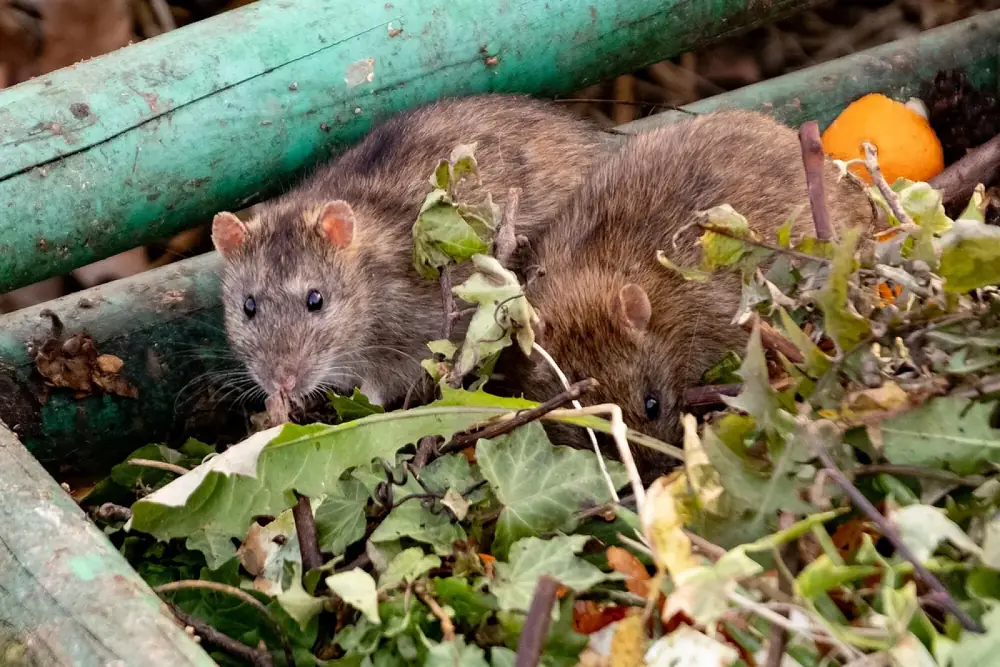
Rodent control in Soweto means dealing with rats and mice together, across the whole property. We inspect the house, backyard rooms and yard, place lockable bait stations outside, set traps indoors, and show you which gaps, food sources and rubble piles to deal with so the rodents don't simply move back in.
A property problem, not a room problem
Most rodent calls we get from Soweto start with one room: droppings in a kitchen drawer, a chewed bread bag, noise behind a wardrobe. By the time we arrive, the rodents usually have a much bigger territory. A typical stand might have the main house, an extension, two or three backyard rooms, an outside toilet or storeroom, a shed or chicken run, and a heap of bricks or rubble left over from building. Every one of those is shelter, and every household on the stand is a food source.
That's why a proper rodent programme here covers the whole yard. Treating only the room where someone saw a mouse leaves the colony in the storeroom untouched, and it's back in the kitchen within weeks.
Rats, mice or both?
It matters, because the two behave differently and need different placement.
- Brown rats are the large, heavy rodents that dig. In Soweto they burrow under paving, along boundary walls, beneath sheds and outside toilets, and they come up from drains and sewer lines. Droppings are thick, roughly the size of an olive pip.
- Roof rats are slimmer climbers that run along walls, washing lines, cables and trees and get into the roof space under loose sheeting. Fewer Soweto properties have the big trees they prefer, but we still find them.
- House mice are small enough to get through a gap the width of a pencil. They live inside, in kitchens, stock rooms and wardrobes, and leave droppings like grains of rice.
For the detail on each, see our pages on rats in Soweto yards and homes and mouse control in Soweto kitchens.
Why rodents settle in so easily
Three local things keep coming up on our inspections. First, food stored in bulk: maize meal, rice and sugar bought in large bags and kept in open containers, often in a back room. Second, waste: where refuse collection is irregular, bags pile up outside and become a feeding station for the whole street. Third, shelter left over from building, because extending a home is so common and the rubble often stays for years.
The Highveld winter then pushes them indoors. When nights drop close to freezing from May onwards, rodents that lived outside all summer move into ceilings, wall cavities and storerooms.
How our rodent control works
- Walk the whole stand. We look for burrows, runways, droppings, gnaw marks and grease marks, inside and out, and work out where the rodents are nesting and feeding.
- Bait outside, trap inside. Lockable, tamper-resistant bait stations go along walls and runways outside, where children, dogs and chickens can't reach the bait. Indoors we use traps, so there's no risk of a rodent dying inside a wall cavity.
- Tracking powder where it suits. In wall voids and roof spaces that rodents use as a highway, tracking powder can be applied where no person or pet will touch it.
- Proofing advice. We point out the gaps to close: holes where pipes enter, gaps under doors, broken air bricks, loose roof sheeting and burrows under paving.
- Follow-up. We come back to check stations and traps and adjust until the activity stops.
Schools, churches, shops and crèches
Places that store food or feed people need rodent control that's on record. Spaza shops, takeaways, school feeding kitchens, crèches and church halls can have a scheduled monitoring contract: regular visits, numbered bait stations and a written service record each time. If a health inspector or a school governing body asks what's being done, you have the paperwork.
The mistake that makes it worse
Scattering loose poison pellets bought on the street. Rodents carry the bait away and drop it where children and dogs find it, some die inside walls and leave a smell for weeks, and the entry points are still open. Many of these products aren't registered at all, so nobody knows what's in them. Secured bait and proper proofing are far safer for a busy household.
One tip for Soweto homes
Keep bulk maize meal, rice and sugar in sealed plastic or metal drums with tight lids, raised off the floor, rather than in the bag. Take away the easy food and the rodents lose the main reason to stay.
What rodent control costs, and why
The price depends on how many structures are on the stand, how many bait stations and traps are needed, whether we have to work in the roof, and how many follow-up visits it takes. A single home with mice in the kitchen is a small job; a yard with several backyard rooms and an active rat colony under the paving is bigger. Businesses on monitoring contracts are quoted for the site and visit frequency. You'll find the starting price on our Johannesburg pest control price list, and we'll tell you if a couple of traps will do.
Elsewhere in the area
Rodents rarely come alone; cockroaches and other pests are covered on our main Soweto pest control page. Across the city, see rodent control throughout Johannesburg, or our rodent work in Johannesburg South just to the east.
Combat Pest Control has 25 years in pest control, is SAPCA registered and registered with the Department of Agriculture, and can offer service within 24 hours. Our rodent treatments carry a 3-month guarantee. To book, call 084 200 2700, or WhatsApp a photo of the droppings or the damage so we can tell you which rodent it is.
Questions we get asked
How much does rodent control cost?
It depends on the size of the property, how many structures there are and how bad the activity is. A small house is a modest job; a yard with several rooms, or a shop, costs more. We quote after the inspection.
Is the bait safe with chickens, dogs and children around?
Yes, when it's in lockable stations. The bait sits inside a box that animals and children can't open, and indoors we use traps instead of bait.
How long until the rats and mice are gone?
Most homes see activity drop within one to two weeks. Bigger yards, or properties next to a dumping spot, need more follow-up visits.
How do I tell rat droppings from mouse droppings?
Size. Mouse droppings are like grains of rice; rat droppings are much thicker, more like an olive pip. WhatsApp us a photo if you're not sure.
Do rodents come back after treatment?
They can if food and gaps stay the same. That's why we give proofing advice, and why our treatment carries a 3-month guarantee.
Can you work in a school or crèche?
Yes. We use secured stations and traps, schedule visits to suit the day, and keep a written record for each visit.