
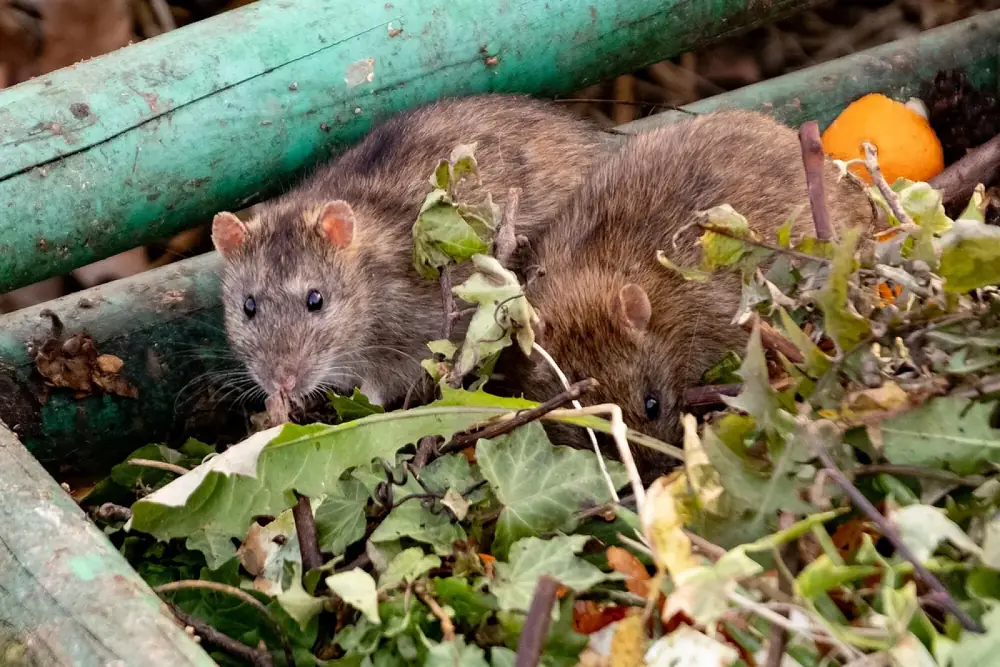
Rodent control in Sandton is a programme rather than a once-off spray: we identify whether you have rats, mice or both, place lockable bait stations and traps on their routes, and close the gaps they use. Businesses get scheduled monitoring with written records; homes and complexes get a clear plan to clear the activity and keep it out.
Sandton's two rodent problems
Most suburbs have one kind of rodent pressure. Sandton has two, and they behave differently. In the commercial core around Sandton City, Nelson Mandela Square and the office towers, rodents live off the food trade: hotel kitchens, food courts, restaurant refuse rooms and the loading bays behind them. Brown rats burrow around those refuse areas and travel through drains, service ducts and basement parking, while mice settle into ceiling voids, cable trays and staff kitchens on the office floors. In the suburbs, the pressure comes from the outside in. Roof rats run along the tree canopy, creepers and boundary walls into ceilings, and mice slip in under garage doors once the winter nights turn cold.
Commercial rodent control
For a restaurant, hotel, office block, school or shop, the aim is to keep rodents out continuously and to prove it. That means:
- A site survey to mark refuse areas, deliveries, drains, service risers and the points where rodents can enter
- Lockable, tamper-resistant bait stations around the outside and in refuse rooms, and traps in food preparation and storage areas where bait isn't appropriate
- Tracking powder in voids and ducts where we need to confirm which routes are being used
- A numbered station map and a written service record after every visit
- Proofing recommendations: door brushes, sealed cable penetrations, covered drains and better bin storage
That record is what an auditor, a health inspector or a landlord's facilities manager asks for, and it shows trends early. If one station starts taking bait every visit, we know where to look before anyone sees a rat.
Homes and complexes
At home the signs are usually noise in the ceiling at night, droppings in the pantry or garage, and chewed irrigation pipes, pool covers or car wiring. We inspect inside and out, bait outside in secure stations, trap in the roof space and then show you where the animals are getting in. In townhouse complexes, where roof spaces run across several units, we'd much rather treat the whole block with the body corporate than chase rodents from unit to unit.
If you know it's rats, our page on getting rid of rats in Sandton goes into roof rats and brown rats in more depth. For smaller droppings and activity in kitchens and cupboards, see mouse control in Sandton homes.
Telling rats from mice
Droppings are the quickest guide. Mouse droppings are small, like grains of rice, and scattered wherever the mice feed. Rat droppings are larger and blunter and tend to collect along routes and in corners. Noise helps too: rats sound heavy and run in straight lines along the top of walls, while mice make lighter, quicker scratching. Gnawed holes are another clue. A hole the size of your thumb is probably a mouse, while a larger, rougher hole in a door edge or bin points to a rat.
The mistake that costs businesses most
Putting loose poison in ceilings and storerooms. Rodents carry it away and hoard it, some die inside ceilings or behind fridges where they can't be removed, and the smell arrives during trading hours. In a food business, loose bait near product is also exactly what an inspector will flag. Bait belongs in locked stations outside food areas, with traps inside them, and every station should be on the map.
A Sandton tip for property managers
Look at your refuse room before you look at your ceilings. In Sandton's mixed-use buildings, the bin area is usually the source, and bins left open, broken drain covers and a gap under the refuse room door undo the best baiting programme. Sealed bins, a door that closes properly and regular washing do more than any extra bait station.
What rodent control costs, and why
The cost depends on the size of the site, how many stations it needs, whether we're working in roof spaces or ducts, and how often a contract needs a visit. A house with rats in the ceiling is a short programme with a follow-up or two. A hotel, a restaurant or an office block on a monthly contract is quoted to suit the site and the audit requirements. You'll find a guide 'from' price on this page, and more detail on our pest control prices page. If it's one mouse in the garage, a couple of snap traps might be all you need, and we'll say so.
How long it takes
Most homes see activity fall within one to two weeks, after which proofing keeps them out. Commercial sites with a lot of food and cover nearby take longer to bring under control, and then stay under control through regular monitoring rather than being 'finished'.
Rodents are part of a wider picture in the area, which is set out on our Sandton pest control page. We run the same kind of programmes for rodent control in Rosebank offices and shops, and for homes and businesses across the city through rodent control in Johannesburg. Closer to the CBD, our Sandown pest control page covers the suburb around the towers.
Combat Pest Control has 25 years in the trade, is SAPCA registered and registered with the Department of Agriculture, and offers service within 24 hours. Rodent treatments carry a 3-month guarantee. Call Jason van Heerden on 084 200 2700 to arrange a site survey, or WhatsApp us a photo of the droppings or damage.
Questions we get asked
What does a rodent contract for a restaurant cost?
It depends on the size of the site, the number of stations and how often we visit. We survey the premises first and quote a contract that suits the kitchen, storage and refuse areas.
Will you give us records for our audits?
Yes. Every contract includes a station map and a written service record after each visit, showing what was checked, what was found and what we recommend.
Do you use poison inside food areas?
No. Inside kitchens and food stores we use traps. Bait stays in lockable, tamper-resistant stations outside food areas, where staff, children and pets can't reach it.
How do I know if it's rats or mice?
Look at the droppings. Mouse droppings are small and rice-shaped and scattered; rat droppings are bigger, blunter and gathered along routes. If you're not sure, WhatsApp us a photo.
Why do rodents keep coming back to our building?
Usually because the food source and entry points haven't changed. Open bins, broken drain covers and unsealed gaps under doors keep inviting them in, so proofing matters as much as baiting.
Can you work after hours in an office building?
Yes. We schedule visits around trading or office hours so tenants and customers aren't disturbed.
Will dead rodents smell in the ceiling?
It can happen, which is why we trap in roof spaces and keep bait outside. That way animals are far less likely to die where they can't be reached.