
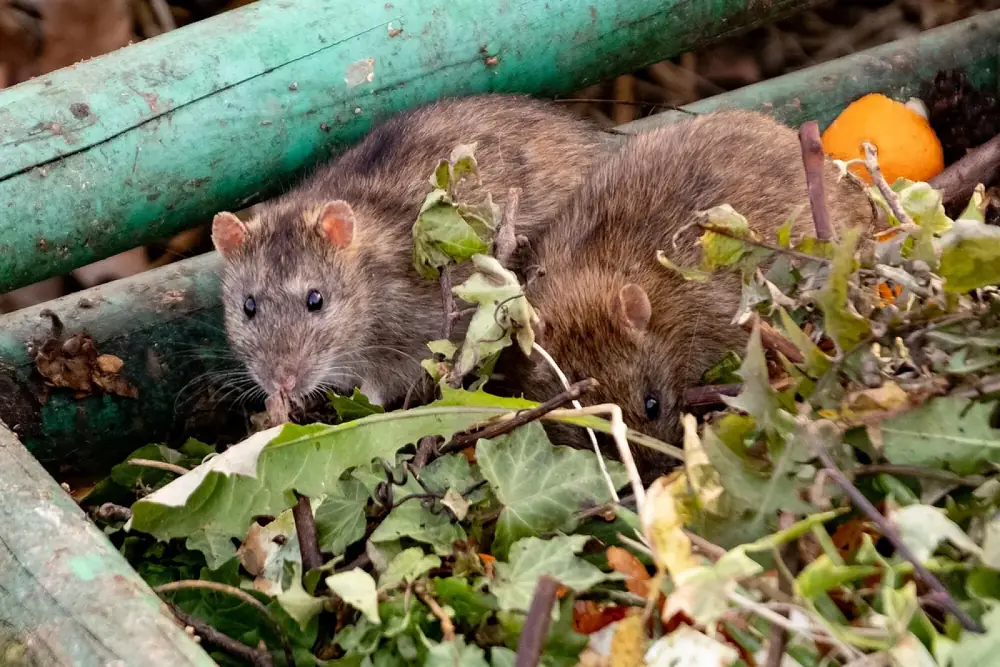
Rodent control in Midrand is mostly about sites, not single rooms: warehouses, distribution centres, office parks, complexes and plots where rats and mice have food, water and cover all year. We survey the whole site, set lockable bait stations and traps, close entry points and, for businesses, keep a dated record of every visit.
Why Midrand keeps rodent controllers busy
Midrand's position between Johannesburg and Pretoria made it a natural home for logistics. Large sheds, loading docks, pallet yards and the open ground around them give rats and mice everything they need. Stored food, packaging, spilled grain and staff canteens provide the food. Pallets stacked against walls, long grass along the fence and drainage channels provide the cover. And because many of these sites border veld or undeveloped stands, there is a steady supply of new rodents moving in from outside.
The residential side has its own pressures. Complexes in Vorna Valley, Noordwyk and Carlswald share refuse rooms, roof spaces and boundary walls. Smallholdings in Kyalami and Blue Hills keep horse feed, chicken pellets and dog food, often in sheds that were never built to keep a rat out. When the Highveld winter arrives and nights turn cold, rodents everywhere look for warmth, and that is when ceilings, stores and server rooms fill up.
Which rodent is it?
Most sites have one of three:
- Brown rats are heavy, burrowing rats. They live under slabs, in drains and around refuse areas, and they are the usual problem at warehouses, loading bays and restaurants.
- Roof rats are slimmer and climb. They run along cables, pipes and fences and live in ceilings and the top of racking.
- House mice are small enough to get through a gap the width of a pencil. They nest inside stock, behind kick plates and in false ceilings, and they breed very quickly.
The species decides where the bait goes and which gaps matter, so we confirm it from droppings, runways and damage before setting anything. If your problem is clearly mice, our mouse control for Midrand homes and offices goes into more detail.
What a site programme looks like
Survey
We walk the perimeter, the buildings and the roof voids, and look at refuse areas, drains, dock levellers, stores and canteens. We note burrows, runways, droppings, gnawing and smear marks, and draw up a station plan.
Perimeter stations
Lockable, tamper-resistant bait stations go along the outside walls and fence lines, anchored so they cannot be moved or opened by staff, children, pets or wildlife. They intercept rodents before they reach the building.
Indoor monitoring
Inside food areas and stores we use traps and monitoring points rather than loose bait, so nothing ends up in product. Tracking powder is used in voids and ducts where it suits the site.
Proofing
We list the gaps: rubber seals missing from roller doors, holes around pipes and cables, broken air bricks, gaps where roof sheeting meets the wall. Closing them is what makes the result last.
Records
Every station is numbered on a site map, and each visit is recorded with what was found and done. Auditors, food safety inspectors and head office all ask for these.
Homes and complexes
For a single house the same thinking applies on a smaller scale: bait stations outside, traps inside the roof, and a list of gaps to seal. For complexes we suggest that the body corporate treats the whole site, because rodents move freely through shared roofs and gardens. On plots, feed rooms and chicken runs are usually the centre of the problem, and our page on getting rid of rats in Midrand deals with that in detail.
The mistake that costs businesses most
Buying a few bait blocks and scattering them around the warehouse. Loose bait gets carried off and hoarded, rats die inside racking or wall voids where the smell lingers, and there is no record to show an auditor. Worse, unsecured bait in a store is a contamination risk. Secured stations, a site plan and proofing cost more upfront and far less over a year.
A Midrand tip
Keep a clear strip of short grass or gravel, about a metre wide, between your building and the boundary fence. Rodents hate crossing open ground, and on sites bordering veld this one change cuts the number of new arrivals noticeably.
What rodent control costs, and why
For a home, the price is set by the size of the property, the number of stations, whether we work in the roof and how many follow-up visits it takes. For a business it depends on the site size, the number of stations, how often we visit and the reporting you need. A small office is a modest monthly service; a distribution centre with a large perimeter is quoted to suit. See our pest control price list for where rodent work starts, and this page shows a guide "from" price as well.
For business sites further south, our rodent programmes in Sandton run the same way, and the city-wide approach is on rodent control throughout Johannesburg. Everything else we treat locally is on the main Midrand page.
Combat Pest Control is run by Jason van Heerden, with 25 years of pest control behind the business. We are SAPCA registered and registered with the Department of Agriculture under Act 36, we offer service within 24 hours, and our rodent treatments carry a 3-month guarantee. To set up a site survey, call 084 200 2700, or WhatsApp us a photo of the droppings or damage.
Questions we get asked
How much does a rodent control contract cost for a warehouse?
It depends on the site size, the number of bait stations, how often we visit and what reporting you need. We survey first and then quote a fixed monthly or scheduled service.
Is rodent bait safe around stock and food?
Bait stays inside lockable stations outside the building. Inside food and stock areas we use traps and monitoring points instead, so nothing can reach the product.
How often should a business site be serviced?
Most commercial sites in Midrand are serviced monthly. Food handlers and sites with heavy activity may need more frequent visits, and quieter offices sometimes less.
Will you provide paperwork for our audit?
Yes. You get a site map with numbered stations and a written record of every visit, showing what was found and what was done.
Why do rodents come back after the bait is gone?
Usually because the entry points were never closed, or because a neighbouring site or the veld keeps supplying new rodents. Perimeter stations and proofing deal with both.
Can staff or pets open the bait stations?
No. The stations are tamper-resistant and lockable, and we anchor them in place so they cannot be carried off or opened.