
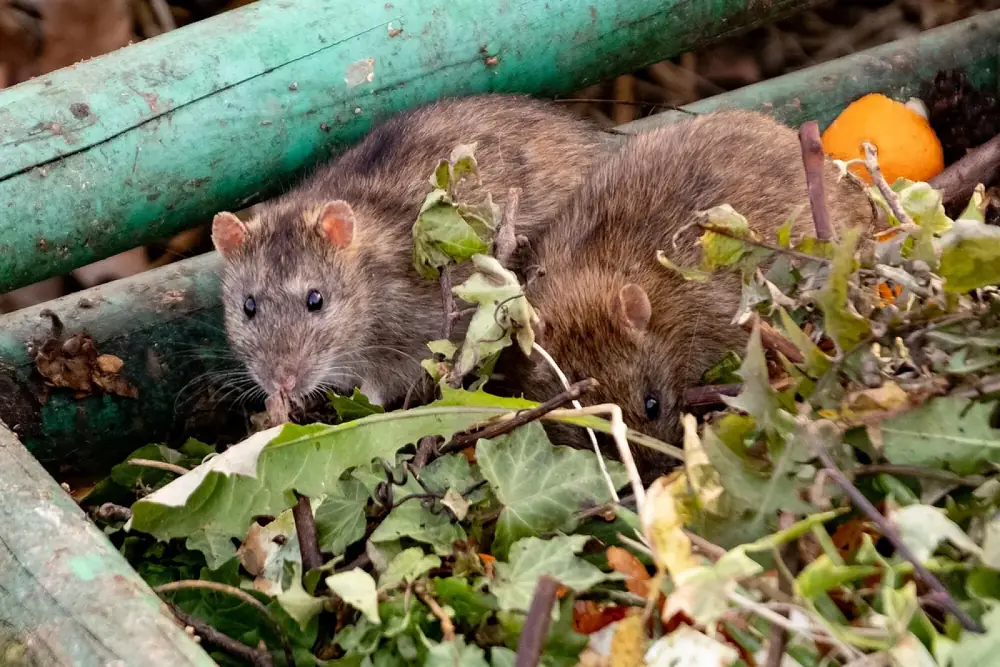
Rodent control in Johannesburg works when it's matched to the animal. Rats, mice and garden mole-rats all count as rodents, but they live, travel and feed differently. We identify which one you have, place bait in lockable stations or set traps where they actually run, and show you how to close the gaps they use.
Three rodents, three different problems
The word "rodent" covers several animals, and getting the identification right is half the job.
Rats
Two rat species cause most of the trouble in the city. The roof rat climbs and lives in ceilings, roof spaces and trees. The brown rat is heavier, burrows, and comes in at ground level through drains, broken air bricks and gaps under doors. Rats are cautious of anything new, so bait and traps sometimes take a few days to work. The details are on our rat control page for Johannesburg.
Mice
House mice are small, curious and fast-breeding. They squeeze through gaps the width of a pencil, nest inside kitchen cabinets, stoves and stored boxes, and leave tiny droppings in large numbers. They rarely need to go outside at all. Read more about getting rid of mice in Johannesburg.
Mole-rats
The mounds of loose soil that appear across Highveld lawns are usually the work of mole-rats, burrowing rodents that eat roots and bulbs. They never come indoors, but they can wreck a garden. Our mole control in Johannesburg page covers trapping them.
How to tell which rodent you have
- Droppings: rice-sized and scattered means mice; raisin-sized and grouped along a route means rats.
- Noise: heavy running in the roof after dark points to roof rats; light scratching inside a kitchen wall or behind the fridge is usually mice.
- Damage: large gnaw marks on irrigation pipes, pool covers and wooden doors are rats; shredded paper, nibbled packets and tiny holes in bread bags are mice.
- Outside: burrows under paving or sheds suggest brown rats; fresh soil mounds in the lawn mean mole-rats.
Why Johannesburg has so much rodent pressure
The city gives rodents plenty to work with. Spruits and green belts run through the suburbs, the older northern areas have a huge tree canopy linking roofs, and dense parts of the south and Soweto have shared walls, backyard rooms and open drains. Commercial areas add restaurant bins, loading bays and warehouses. The trigger is usually the weather: once winter nights drop close to freezing, rodents that were happy in the garden move into ceilings, garages and kitchens.
Our approach to rodent control
- Inspection. We trace droppings, rub marks, gnawing and burrows back to where the rodents shelter and how they get in.
- Secure baiting. Bait goes into lockable, tamper-resistant stations placed on the routes rodents travel, out of reach of children, pets and wildlife.
- Trapping and tracking. Inside the house, in roof spaces and in food areas we use traps instead of bait, and tracking powder where we need to see exactly where they run.
- Proofing advice. We point out the gaps to seal: holes around pipes and cables, broken air bricks, missing weep-hole covers, gaps under garage doors and branches touching the roof.
- Follow-up. We check stations, replace bait, remove traps and confirm the activity has stopped.
Rodent programmes for businesses and estates
A restaurant, food factory, warehouse or school can't wait for rodents to show up. We set up a scheduled monitoring contract with numbered stations around the perimeter and traps inside, visit on a fixed schedule and keep a written record of every station, which is what health inspectors, auditors and head office want to see. Large estates and complexes benefit from the same approach on the common areas, combined with treating the units that report activity. In Midrand's warehouses and office parks and the light industry of Johannesburg South, this is most of the rodent work we do.
What people get wrong
Buying a box of poison pellets and scattering it is the usual first move. Rodents carry the bait away, cache it, and some die where they can't be reached. Pets and birds of prey that eat poisoned rodents can be harmed too. And when the rodents are gone, the gap they used is still there for the next ones. Baiting or trapping without proofing is only half a job.
What rodent control costs, and why
Cost depends on the type of rodent, the size of the property, how many stations or traps are needed, whether we need to work in the roof, and how many follow-up visits it takes. One house with a few mice in the kitchen is a small job. A factory or estate on a monitoring contract is priced per site and per visit. Our guide prices for pest control show where rodent work starts, and we'll give you a firm quote after the inspection.
Rodents don't wait for a convenient week, so we offer service within 24 hours. Jason van Heerden has 25 years of pest control behind him, Combat Pest Control is SAPCA registered and on the Department of Agriculture's register under Act 36, and if the treated rodents return within 3 months, we return too. Phone 084 200 2700, or send a photo of the droppings on WhatsApp and we'll tell you which rodent left them.
Questions we get asked
How much does rodent control cost?
Prices vary with the rodent: whether it's rats, mice or mole-rats, the size of the property and how many visits it takes. A small house job is modest; factories and estates are quoted on a monitoring contract. We confirm the price after inspecting.
How do I know if it's rats or mice?
Look at the droppings. Mouse droppings are about the size of a grain of rice and scattered; rat droppings are closer to a raisin and grouped along a route. WhatsApp us a photo if you're unsure.
Is rodent bait dangerous to my dog?
Bait in lockable stations is far safer than loose pellets, because a dog can't open the box. We also place stations where pets don't usually go and use traps indoors.
Why do rodents come inside in winter?
Cold nights. When Highveld temperatures drop towards freezing, rodents look for warm shelter near food, and ceilings, garages and kitchens are the obvious choice.
Will the smell be a problem if a rat dies in the wall?
It can happen, which is one reason we trap indoors and bait outside. If a rodent does die in a cavity, the smell usually fades within a couple of weeks.
Do you offer rodent contracts for restaurants and factories?
Yes. We install numbered stations, visit on a schedule and keep a written service record for every station, ready for audits and health inspections.
What can I do myself to keep rodents out?
Seal holes around pipes and cables, fit covers on broken air bricks, store food and pet food in sealed containers, and cut back branches touching the roof.