
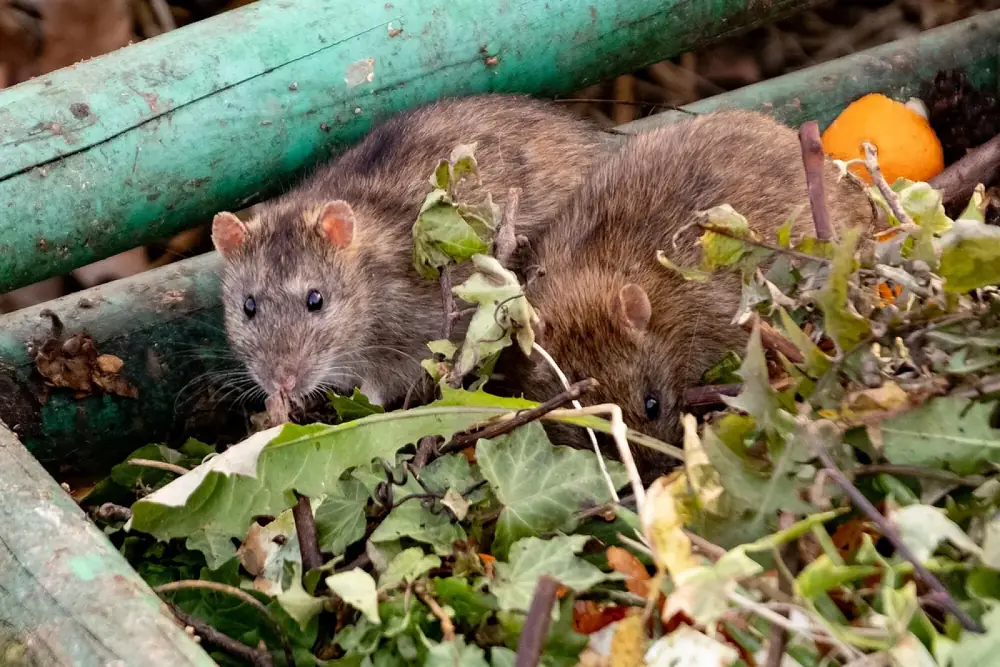
Rodent control in Fourways works best as a site-wide job rather than a single treatment. We survey the whole property, place lockable bait stations along the boundary, trap indoors where bait isn't suitable, and close the gaps rats and mice use. For estates and businesses, regular monitoring visits keep the numbers down.
Who we do this for
Most single-house rodent calls are about scratching in the ceiling, and we handle plenty of those. This page is mainly for the people responsible for bigger sites: estate managers, body corporate trustees, office park facilities teams, shop and restaurant owners, and the warehouses and factories in the Kya Sands industrial area. On sites like these, rodents move between buildings, bins, drains and landscaping, and a once-off treatment in one corner rarely holds.
The rodents we find around Fourways
- Roof rats climb trees, creepers and walls and live in roof spaces. Common in leafy estates and older homes.
- Brown rats burrow. They live under paving, along the Jukskei, in refuse areas and around drains, and they're the main problem at warehouses, food courts and loading bays.
- House mice get into stock rooms, kitchens and wall cavities through gaps the width of a pencil.
- Field mice from the veld, including multimammate mice, move into homes and storerooms on the edge of open ground, especially once the grass is cut or burnt in winter.
Mole-rats also tunnel through Fourways lawns, but they're a garden problem with their own approach rather than a building one.
Why Fourways sites are exposed
Fourways grew fast, and a lot of it borders land that hasn't been developed. Estates back onto veld and river frontage, office parks sit next to vacant stands, and industrial yards have pallets, skips and long grass along the fence. Each of those edges is a reservoir of rodents. Inside the boundary, things are often just as welcoming: refuse rooms that aren't closed properly, landscaped beds with thick ground cover, and plant rooms or basements nobody visits.
How a site-wide programme works
1. Survey
We walk the whole site with whoever looks after it: perimeter, refuse areas, kitchens, storerooms, plant rooms, roof voids where we can get in, and the drains. We note burrows, droppings, gnaw marks, rub marks and the routes rodents are using.
2. Perimeter and exterior baiting
Lockable, tamper-resistant bait stations go along boundary walls, beside refuse areas and at known runs, fixed in place so they can't be moved or opened by children, pets or the public. Each station is numbered on a site plan.
3. Indoor control
Inside kitchens, stock rooms and offices we generally use traps and tracking powder rather than loose bait, so nothing dies out of reach in a ceiling or behind shelving.
4. Proofing
We list the gaps that need closing: damaged air bricks, gaps under roller doors, holes around pipes and cables, open drain covers, and branches touching roofs. Your maintenance team or contractor can work through the list.
5. Monitoring and records
On contract sites we check and service every station on a schedule and leave a written record, which is what food safety audits and health inspectors want to see.
What estates and complexes get wrong
The most common problem we see is each owner doing their own thing. One unit puts poison in the roof, the next does nothing, and the rats simply shift sideways through the shared roof space. In an estate, the common areas, the boundary and the guardhouse refuse area matter as much as the homes. A single programme agreed by the trustees or the HOA, with owners told what's happening, works far better than twenty separate efforts.
The other mistake is stopping as soon as the activity drops. Fourways sites sit next to permanent sources of rodents, so a site that stops monitoring usually gets reinfested within a season.
A tip for Fourways sites
Look at the refuse area first. If bins are left open, bags are stacked on the floor overnight, or the gate doesn't close, nothing else you do will fully solve the problem. A closed, swept refuse room with a bait station on either side of the door is the single biggest improvement most sites can make.
What rodent control costs and why
For a single home, price depends on how many stations are needed, whether we're working in the roof and how many follow-up visits it takes. For larger sites, we quote on the number of stations, the size of the perimeter, how often you need visits and the paperwork your auditors require. A warehouse or estate monitoring contract is priced to suit the site after the survey. Our pest control pricing page shows where rodent work starts.
For the house-by-house picture, read about rats in Fourways homes, and for the city-wide view see rodent control in Johannesburg. We run similar programmes for complexes in Bryanston, and all our local services are on the Fourways area page.
Combat Pest Control is SAPCA registered and registered with the Department of Agriculture, with 25 years in pest control and service within 24 hours. Treatments carry a 3-month guarantee. For a site survey, call Jason on 084 200 2700, or WhatsApp us photos of the droppings or damage.
Questions we get asked
How much does a rodent control contract cost for an estate or business?
It's quoted after a site survey, based on the number of bait stations, the size of the perimeter, how often we visit and the records you need. A small office costs far less than an estate or warehouse.
How often should a business have rodent stations checked?
That depends on the risk. Food businesses and warehouses usually need more frequent visits than offices. We agree a schedule that suits the site and what your auditors expect.
Are bait stations safe in an estate with children and dogs?
Yes. They're lockable, tamper-resistant and fixed in place, so children, pets and wildlife can't reach the bait. We position them away from play areas.
Can you work in a food court or restaurant during trading hours?
Usually we schedule around trading so we're not in the way, and indoors we use traps rather than loose bait near food.
Do you provide records for health inspections and audits?
Yes. Every station is numbered on a site plan and each visit is recorded, so you can show an inspector exactly what's been done.
Why have the rats come back after a once-off treatment?
Because the source is still there. Most Fourways sites border veld, the river or other properties, so without proofing and ongoing monitoring new rodents move in.
Do you treat individual units in a complex?
Yes, but we'll tell you honestly that rodents move through shared roofs, so treating the whole complex gives a far better result.