
This rodent guide explains how rats and mice live, how to tell which one you have, and why lasting rodent control depends on proofing as much as baiting. We find the food, shelter and entry points, bait securely in lockable stations, trap where bait isn't suitable, and help you close the gaps for good.
The three rodents you're most likely to meet
The roof rat
Slim, agile and dark, with a tail longer than its body, large ears and a pointed snout. It climbs walls, trees, creepers and cables and lives in ceilings, which is why it's the usual source of night-time scratching overhead in leafy suburbs.
The brown rat
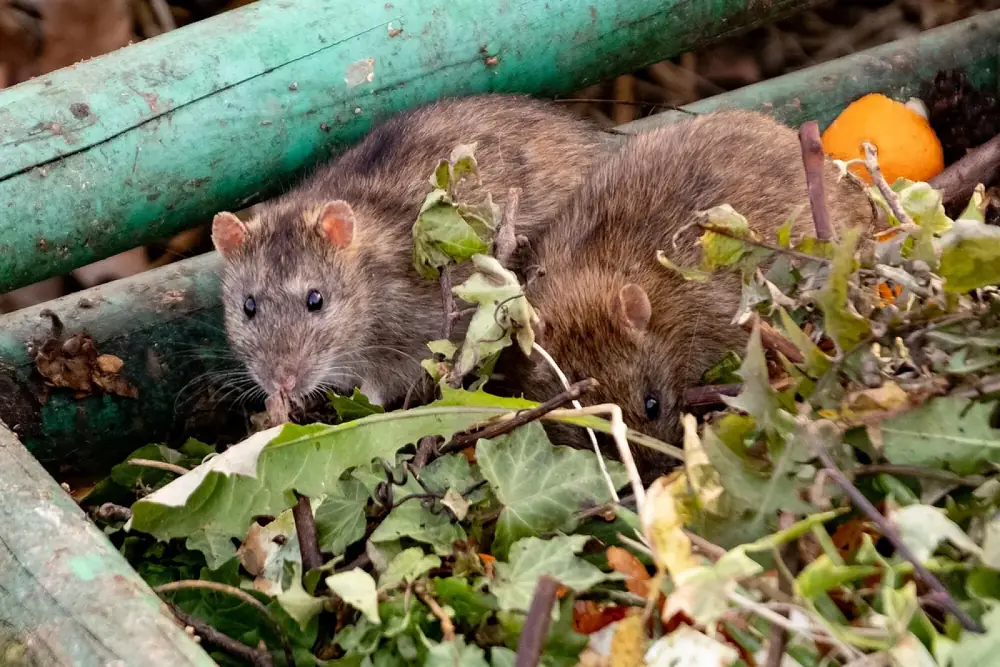
Bigger and heavier, with a blunt nose, small ears and a thick tail shorter than its body. It burrows under paving, sheds and compost heaps and comes in at ground level through drains, broken air bricks and gaps under doors. Commercial kitchens, refuse areas and riverbanks are its home ground.
The house mouse
Small and light, with big ears and a tail roughly as long as its body. Mice live indoors for their whole lives if they can, nesting behind kitchen units, inside appliances and in stored boxes.
Which one is it? Read the evidence
- Droppings: mouse droppings are the size of a grain of rice; rat droppings are closer to a raisin or an olive pip.
- Noise: heavy running and gnawing in the ceiling is usually rats. Light, quick scratching behind a cupboard is more often mice.
- Gnawing: rats leave rough holes the size of a coin or larger; mice leave small, neat holes and shredded paper.
- Smudges: dark greasy rub marks along beams and wall tops are typical of rats travelling the same route night after night.
- Burrows: holes under paving or at the base of a wall point to brown rats.
Our article on identifying rat activity in your roof goes deeper into the signs above the ceiling.
Why rodents are more than a nuisance
Rodents contaminate food and surfaces with urine and droppings and can spread diseases such as leptospirosis and salmonella. They carry fleas and mites into the house. Their teeth never stop growing, so they gnaw constantly, and chewed electrical cables in roof spaces are a genuine fire risk. In businesses they spoil stock, damage packaging and can fail a food safety audit on their own.
How rodent behaviour shapes control
Rats are cautious. A new object on a familiar route, a trap or a bait box, is often avoided for days, so rat programmes need patience and correct placement along the runs they already use. Mice are the opposite: curious, but they only travel a few metres from the nest. Bait or traps placed in the wrong room may never be visited at all. A rodent programme that works for one often fails for the other, which is why identification comes first.
Baiting safely
Loose bait thrown into a roof is the riskiest way to deal with rodents. Pets and children can find it, rats move it and hoard it, and poisoned rodents that die in a wall cavity leave a smell for weeks. Owls and other animals that eat poisoned rodents can be harmed too. We use lockable, tamper-resistant bait stations fixed in position along the routes rodents travel, mostly outside the house, and traps inside roofs and food areas where bait isn't appropriate. Every station is recorded so it can be checked and removed later.
Proofing: the part that stops the next wave
Killing the rodents in your roof doesn't stop others from using the same entrance. A mouse can squeeze through a gap about the width of a pencil; a young rat needs only a little more. Common entry points include:
- gaps under eaves and where roof sheets meet the wall plate
- broken or missing air bricks
- holes around geyser pipes, aircon lines, cables and drainpipes
- gaps under garage doors and back doors
- branches and creepers that reach the roof
Steel mesh, cement, door brushes and pipe collars close most of these. Expanding foam on its own doesn't last, because rodents chew straight through it.
Rodents in businesses, schools and complexes
Commercial sites usually need a scheduled monitoring contract: numbered stations around the perimeter and in storage areas, regular checks, and a written record of every visit. That record is what health inspectors, auditors and head offices want to see. In complexes and estates, the whole site needs treating together, because rodents travel freely through shared roofs and gardens.
The mistake we see most
Treating only inside the house. If rats live in a compost heap, a wood pile or next door's overgrown garden, baiting the ceiling just kills the latest arrivals while the source keeps producing more. Outdoor stations and a tidy-up of the garden do more than any amount of bait in the roof.
What rodent control costs, and why
The price depends on the size of the property, the number of stations or traps needed, whether the roof space is involved, how many follow-up visits it takes, and whether proofing work is included. A house with a few mice is a modest job; a warehouse or restaurant on a monitoring contract is quoted to suit the site and the service frequency. Our guide prices show where rodent work starts. If you've seen a single mouse, a couple of snap traps may well be enough, and we'll tell you.
For detail on each species, see our separate rat guide and guide to mice, or read about rodent control across Johannesburg.
Combat Pest Control holds SAPCA membership and Department of Agriculture registration under Act 36, brings 25 years of rodent work to every job, offers service within 24 hours and guarantees rodent treatments for 3 months. If something is running in the ceiling tonight, call 084 200 2700, or WhatsApp a photo of the droppings so we can tell rat from mouse.

Questions we get asked
How much does rodent control cost?
It depends on the property size, the number of bait stations and traps, roof access and follow-up visits. A house with mice is a modest job, while businesses on monitoring contracts are quoted per site.
How do I know if it's a rat or a mouse?
Look at the droppings first. Rice-sized droppings mean mice; raisin-sized ones mean rats. Heavy running in the roof usually means rats, and light scratching in cupboards usually means mice.
Is rodent bait safe around children and pets?
It's far safer in lockable bait stations. The bait stays inside a box that children and pets can't open, fixed where they don't normally go.
Will the rodents die in my walls and smell?
It can happen, which is why we bait mostly outside and trap in the roof. Proper placement keeps the risk low, and a smell, if it happens, fades within a couple of weeks.
How long does it take to clear rodents?
Most homes see a clear drop in one to two weeks. Larger sites, or places with a steady outside source, take longer and need follow-up visits.
Can rodents really cause a fire?
Yes. They gnaw electrical cables in roofs and walls, and exposed wiring can short or overheat. Chewed cables are worth having checked by an electrician.
What should I do before you arrive?
Clear access to the roof hatch, garage and kitchen cupboards, store food in sealed containers, and don't throw loose poison around. Note where you've heard or seen activity.