
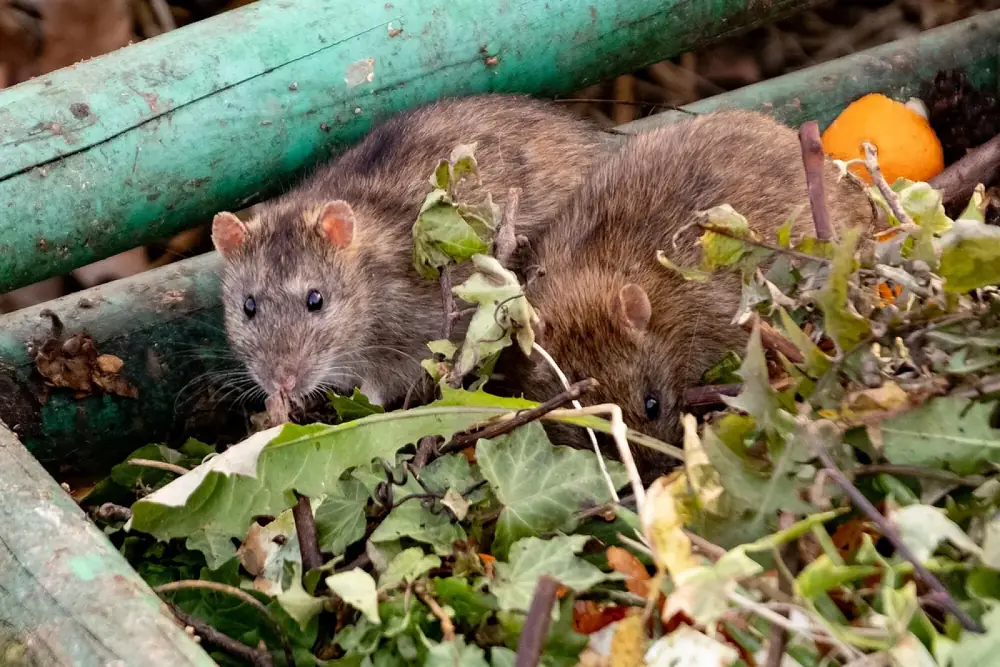
Rodent control in Northcliff covers rats and mice in homes, complexes, shops and food businesses around the ridge. We identify which rodent you have, find how it's getting in, bait outside in lockable tamper-resistant stations, trap indoors where bait isn't suitable, and then help you close the gaps so the problem doesn't simply return next winter.
Three rodents, three habits
Most of our rodent work here involves one of three animals, and the first job on any visit is working out which.
- Roof rats climb. They run along branches, creepers, cables and the tops of walls, and they live in ceilings. In a suburb with as many big trees as this one, they're the most common rodent in houses.
- Brown rats dig. They live under paving, behind rockeries and in compost heaps, and they come in at ground level through drains, gaps under doors and broken air bricks.
- House mice are small, curious and fast-breeding. A gap the width of a pencil is enough for them, which is why they turn up in flats, townhouses and storerooms as often as in freestanding houses.
We cover the details on separate pages for rats around Northcliff and for mice in Northcliff homes and flats. This page is about the bigger picture: how we approach rodents across a whole property or business.
How the area shapes rodent pressure
The ridge and its gardens give rodents cover and food all year. Terraced stands are full of retaining walls, rock gardens and dense planting; many have fruit trees, compost heaps, bird feeders and dogs fed outdoors. Lower down, the shopping and complex node around Cresta, and the restaurants, delis and student housing towards Melville and Auckland Park, provide the steady food waste rodents depend on.
Winter is the turning point. When Highveld nights drop towards freezing from about May, rodents that were living outside move into roof spaces, wall cavities, garages and storerooms. Food businesses see activity all year, but homes feel it most between late autumn and the end of winter.
Our rodent control process
- Survey. We look for droppings, gnawing, smear marks, burrows and runs, inside and out, and decide which rodent we're dealing with.
- Baiting outside. Lockable, tamper-resistant bait stations go along walls and runs, positioned where children, pets and wildlife can't reach the bait.
- Trapping inside. In roof spaces, kitchens and anywhere food is handled, traps are often better than bait, because they don't leave a rodent dying out of reach.
- Tracking powder where it fits. In wall voids and inaccessible runs, tracking powder can reach rodents that avoid bait.
- Proofing advice. We show you the exact gaps: pipe entries, gaps under garage and stockroom doors, damaged air bricks, branches touching the roof, the join between an old roof and a newer extension.
- Follow-up. We return to check stations and confirm activity has stopped.
Businesses, complexes and schools
For shops, restaurants, offices, schools and body corporates, a one-off treatment rarely holds. We set up scheduled monitoring contracts with numbered stations and a written record of every visit: what was taken, what was replaced, what needs fixing. That record is exactly what a health inspector, landlord or auditor will want. In complexes we prefer to treat the whole site at once, because rodents move freely through shared roofs and gardens.
What people get wrong
Throwing loose poison into the ceiling is still the most common mistake. Rodents carry it off and hoard it, some die inside a wall cavity, the smell lasts for weeks, and blowflies follow. Meanwhile nothing has been done about the way in. The second mistake is stopping too soon: activity drops after a week, the stations come out, and a new group moves into the same roof a month later. Baiting and proofing belong together.
A tip for ridge gardens
Look at the base of your retaining walls and rock gardens. Burrow holes with smooth, worn edges at ground level, especially near a compost heap or where dog food is served, are a sign of brown rats. Moving the compost away from the wall and feeding pets indoors cuts their food supply quickly.
What rodent control costs, and why
The cost depends on the size of the property, the number of bait stations and traps, whether we need to work in the roof, and how many follow-up visits it takes. A single home with a few mice is a modest job. A shop, a restaurant or a complex on a monitoring contract is priced to the site and the visit frequency. Our price guide shows the "from" price. If it's one mouse seen once, a couple of snap traps may be enough, and we'll tell you that.
For city-wide information see rodent control in Johannesburg. Our neighbouring Randburg rodent control team covers the suburbs to the north, and businesses near the mall are covered on our page for pest control in Cresta. For the other pests we treat on and around the ridge, see the Northcliff area page.
We hold SAPCA registration and are registered with the Department of Agriculture under Act 36. Owner Jason van Heerden has worked in pest control for 25 years, we offer service within 24 hours, and rodent treatments carry a 3-month guarantee. Phone 084 200 2700 to book, or send a picture of what you've found on WhatsApp.
Questions we get asked
How do I know if it's rats or mice?
Droppings are the quickest clue. Mouse droppings are small, like a grain of rice; rat droppings are closer to the size of a raisin. Noise in the ceiling at night usually means roof rats. WhatsApp us a photo and we'll confirm.
What does rodent control cost?
It depends on the property size, how many stations and traps are needed, roof access and the number of follow-ups. Businesses on a monitoring contract are priced by site and visit frequency.
Are bait stations safe around children and pets?
Yes, that's why we use them. The bait is locked inside a tamper-resistant box, and we place stations where children and pets don't normally go.
How long before the rodents are gone?
Most homes see a clear drop within one to two weeks. Larger sites, or properties with plenty of food and cover nearby, need longer and more follow-up visits.
Do you provide service records for food businesses?
Yes. Monitoring contracts include a written record of every visit and every station, which is what inspectors and auditors ask for.
Why do rodents come back every winter?
Because the way in hasn't been closed. Cold nights drive them indoors through the same gaps each year, so proofing is as important as baiting.