
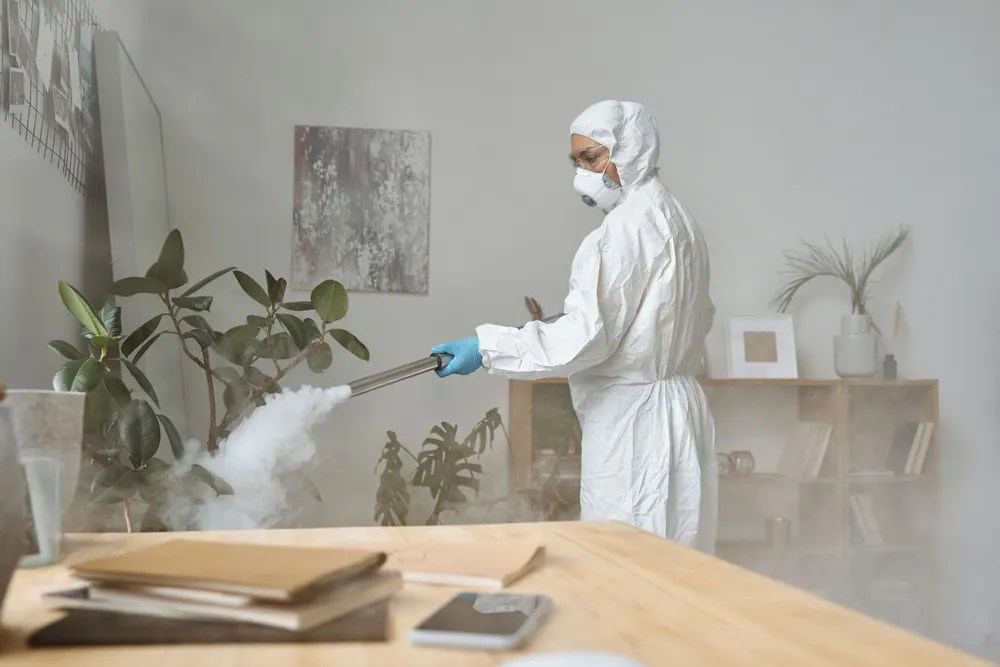
Pest control in Parktown North mostly means roof rats, ants, fleas, fish moths and the odd termite problem in older timber. The suburb is small, green and close to the Rosebank node, so pests move easily between gardens and homes. We inspect, treat what's actually causing the trouble, and leave you with simple steps to keep it away.
What Parktown North is like
Parktown North is a small residential suburb wedged between Rosebank, Parkhurst, Greenside and Dunkeld, with Jan Smuts Avenue running along one side. The streets are lined with big old trees, and the housing is a mix of older family homes, renovated houses with modern extensions, and small cluster developments and townhouses on subdivided stands. There are a few restaurants and businesses on its edges, and the Rosebank shops are a short drive away.
Being small and leafy is part of the charm and part of the pest picture. Everyone shares the same tree canopy, and rats, ants and fleas don't stop at the boundary wall.
The usual problems, and what's behind them
Rats in the roof
This is the call we get most from Parktown North. Roof rats climb the street and garden trees, run along the tops of walls and slip under the eaves. In cluster developments the roofs are often joined, so one entry point serves several units. We put lockable bait stations outside, set traps in the roof space and then show you where they're getting in. Our rat control in Rosebank and the surrounding suburbs page covers this in depth.
Ants before the rain
From spring, and especially just before a thunderstorm, ants trail in along paving, skirting boards and window frames. Baits that the workers carry back to the nest deal with the colony; spraying the trail only splits the nest and moves the problem.
Fleas
Dogs, shady lawns and pet beds under the patio make fleas a regular complaint in late spring and summer. The home, the garden and the pets all need treating at the same time, or the life cycle simply restarts.
Fish moths and booklice
Older homes with built-in cupboards, bookshelves and boxes stored in garages often have fish moths. They eat paper, glue and fabric starch. A targeted treatment of cupboards and storage areas, plus reducing damp, sorts them out.
Termites
Older homes with timber floors and door frames can attract subterranean termites, and new extensions are sometimes built without a soil pre-treatment, giving termites a route into the old house. Our termite control around Rosebank page explains how we deal with it, with a certificate and a 5-year termite guarantee.
Signs to watch for
- Droppings in the roof space, pantry or garage, and gnawed cables or irrigation pipes
- Ant trails along skirting boards or up the kitchen wall before rain
- Itchy bites around the ankles and pets scratching more than usual
- Small silver insects in cupboards, and tiny holes or yellow marks on stored paper and clothes
- Mud tubes near door frames or the base of an outside wall
Any one of these is worth a photo on WhatsApp. Often we can tell you straight away whether it needs a treatment or a simple fix.
Clusters and body corporates
If you live in a cluster or townhouse complex, the best results come from treating the whole complex together. A body corporate can arrange regular visits with a service record, so rodent stations are checked and any cockroach or ant problem is picked up early. It's usually better value than each owner calling someone separately.
A common mistake
Many people put out loose rat poison in the roof. The rats carry it off, hoard it in places you can't reach, and some die in wall cavities, which leaves a smell for weeks. Bait in lockable stations, traps where they make sense and closing the entry points is the approach that works.
A Parktown North tip
Check where your renovation meets the original roof. Many homes here have extensions added over the years, and the join between old and new roofing is often slightly open. That small gap is a favourite entry point for rats, and sealing it takes minutes once you know it's there.
What it costs and why
Prices depend on the pest, the size of the property and how many visits it takes. An ant or flea treatment in a single home is a modest job. Rats in a large roof, a whole cluster complex, or termite work in timber floors cost more, because they take more time and usually a follow-up. If you've seen a single mouse or a small ant trail, you might manage with store-bought baits, and we'll say so. For starting prices, see our Johannesburg pest control prices page.
Parktown North is covered by our Rosebank pest control service, and the neighbouring suburb of Parkhurst has its own page.
Combat Pest Control has 25 years in the business under owner Jason van Heerden, and the company is registered with both SAPCA and the Department of Agriculture. Expect service within 24 hours and a 3-month guarantee on general treatments. Phone 084 200 2700, or snap a picture of what's bothering you and send it over WhatsApp.
Questions we get asked
How much does pest control cost in Parktown North?
The answer depends on the pest and the house. A flea or ant treatment in a house is modest; rats in a big roof or a full cluster complex costs more. Starting prices are listed on our guide prices page, and we confirm the figure once we've seen the property.
Why are there rats in my roof when my house is clean?
Rats in roofs have nothing to do with cleanliness. Roof rats travel along trees and walls and get in through small gaps under the eaves, especially where an extension meets the old roof.
Can our body corporate book a treatment for the whole complex?
Yes, and it's the best approach. We can also set up scheduled visits with a written service record.
How do I get rid of fleas for good?
Treat the home, the garden and the pets at the same time, and vacuum often for a couple of weeks after treatment. Treating only one of the three lets them come back.
Are your sprays safe for children and pets?
Yes. The products are registered for home use, and once a sprayed surface has dried it's fine for little hands and paws.
How long before I see results?
Ant and flea activity drops within days. Rats usually take one to two weeks to clear, depending on how many there are and how quickly the gaps are closed.