
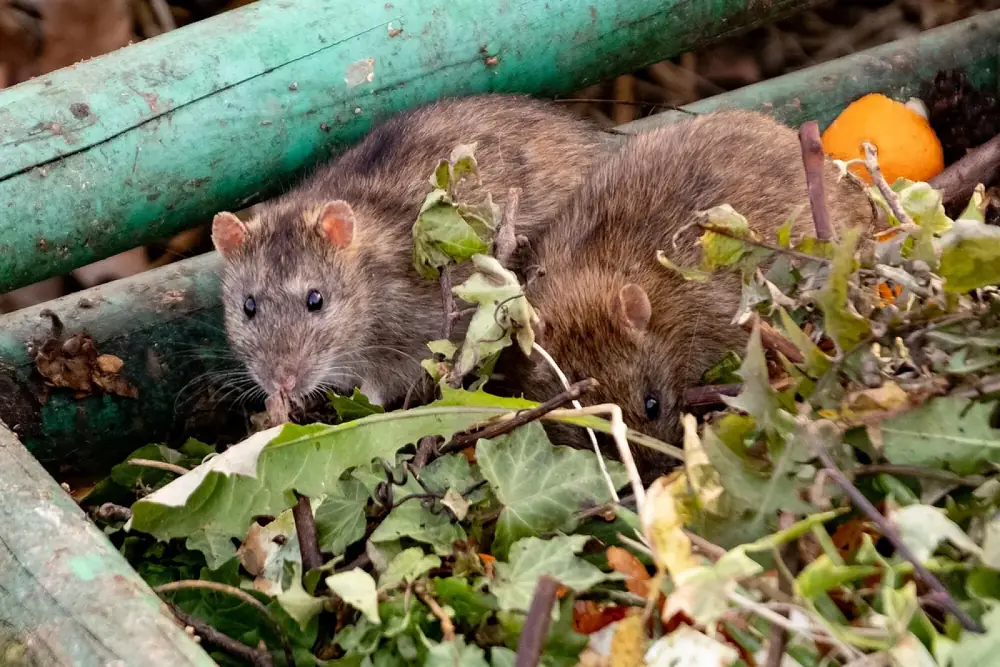
Rodent control in Roodepoort works best as a site-wide programme rather than a once-off visit. We inspect the whole property, set lockable bait stations on the perimeter, trap inside where bait isn't suitable, and show you the gaps to seal. Complexes, offices, shops and warehouses get scheduled visits and a written service log for each station.
Why a site, not a unit
Rats and mice don't recognise unit numbers or property lines. In the townhouse complexes that fill Weltevredenpark, Little Falls and the newer parts of Roodepoort, roofs, garden strips and sewer lines are shared, so rodents cleared from one unit simply move next door and come back later. Office parks and business premises around Constantia Kloof have the same issue on a bigger scale: a refuse area, a canteen, a loading bay and a landscaped verge can support a population that wanders between buildings.
That's why we prefer to work with the body corporate, the managing agent or the facilities manager. One coordinated treatment across the whole site costs less in the long run than a string of separate call-outs from individual owners.
Which rodents we find in Roodepoort
- Roof rats, the climbers, which use trees, creepers and boundary walls to reach ceilings and roof cavities.
- Brown rats, the burrowers, which live under paving, sheds and refuse areas and come in through drains and gaps at ground level.
- House mice, small enough to slip through a gap the width of a pencil and happy to live inside kitchen units, storerooms and wall cavities.
The species changes the plan. Climbers need attention at roof level and on trees; burrowers need it at drains, doors and the base of walls; mice need tighter proofing and more stations placed closer together.
Our programme, step by step
- Survey. We walk the site with you, mark activity, droppings, rub marks and burrows, and note food sources such as bins, canteens, bird feeders and stored goods.
- Station layout. Lockable, tamper-resistant bait stations go along the outside walls and boundaries, numbered and recorded on a site plan.
- Inside work. In kitchens, food stores, offices and ceilings we use traps, and tracking powder in voids where it's appropriate, rather than loose bait.
- Proofing advice. We list the entry points: broken air bricks, gaps under roller doors, holes around pipes and cables, open roof vents and branches touching the roof.
- Monitoring. On a contract, we return on a schedule, check and refill every station, and leave a service record each time.
For businesses: records that stand up to inspection
Food businesses, schools and warehouses are often asked to prove they have a pest programme in place. Our service records show each station, what was found, what was used and what we recommend. That paper trail is what health inspectors and auditors look for, and it also shows you whether a problem area is getting better or worse over time.
Seasonal pressure on the West Rand
Roodepoort winters are cold and dry, and from late autumn rodents move from open veld, storm drains and gardens into buildings for warmth. Summer brings food in the form of fallen fruit, bird seed and overflowing bins after long weekends. We usually tighten the programme on a site going into winter, adding stations near roof access points and storerooms.
The common mistake on shared properties
Individual owners buy loose poison and throw it into their own roof. The rats eat some, carry some away, and a few die in a wall cavity, which brings smell and flies for weeks. Meanwhile, the colony living in the complex's garden strip is untouched, and new rats move in through the same gap. Loose poison in shared roofs can also end up where pets or children find it. Lockable stations and a coordinated plan avoid all of that.
A Roodepoort tip
Many complexes here back onto open ground or a ridge. Ask your gardener or maintenance team to keep a clear, mown strip between the boundary wall and the veld, and to keep rubble and cut branches from piling up against that wall. Rodents dislike crossing open ground, and that strip makes the perimeter stations far more effective.
What it costs and why
For a site, price depends on the number of stations, the size and layout of the buildings, whether the roof spaces need work, and how often visits are scheduled. A small complex with a few stations is very different from a warehouse with loading bays. For a single home with one rat in the ceiling, a once-off treatment is often enough. You'll find a guide "from" price on this page and on our pest control price list, and we quote sites after a walk-through.
Related help
If your problem is a single house, see our page on rat control for Roodepoort houses, or our notes on getting mice out of Roodepoort kitchens. Constantia Kloof businesses and homes have their own Constantia Kloof pest control page. For sites further north-east, we run the same programmes through rodent control in Randburg, and city-wide through rodent control in Johannesburg. Our Roodepoort area page covers every other pest we treat locally.
Jason van Heerden, owner and operator of Combat Pest Control, has 25 years of experience in pest control. Combat is SAPCA registered and holds Department of Agriculture registration under Act 36 of 1947. Sites can expect service within 24 hours, and rodent work carries a 3-month guarantee. To arrange a walk-through, ring 084 200 2700, or WhatsApp us a picture of the droppings or gnawing first.
Questions we get asked
How much does a rodent control contract cost for a complex?
It depends on how many stations the site needs, the number of buildings and roof spaces, and how often we visit. We walk the complex first and give the body corporate a written quote.
How often do you service the bait stations?
That depends on the risk. Food businesses and sites with heavy activity need more frequent visits; a quiet residential complex can be serviced less often. We agree the schedule with you.
Is the bait dangerous to children or pets in the complex?
Bait is locked inside tamper-resistant stations that children and pets can't open, and stations are placed out of the way. Inside living areas we use traps instead.
Do you provide service records for audits?
Yes. After every visit we leave a record showing each station, what was found and what was done, which is what health inspectors and auditors want to see.
Can one owner in a complex treat on their own?
They can, but it rarely lasts, because rodents move freely through shared roofs and gardens. A whole-site treatment arranged with the body corporate gives a much better result.
Why do rodents get worse in winter?
Cold Highveld nights push rats and mice out of gardens, drains and veld into roofs, storerooms and kitchens for warmth and food. Activity usually rises from late autumn.
How long until the rodents are gone?
Most sites see a clear drop within a couple of weeks. Long-term control comes from keeping the stations serviced and closing the entry points we identify.