
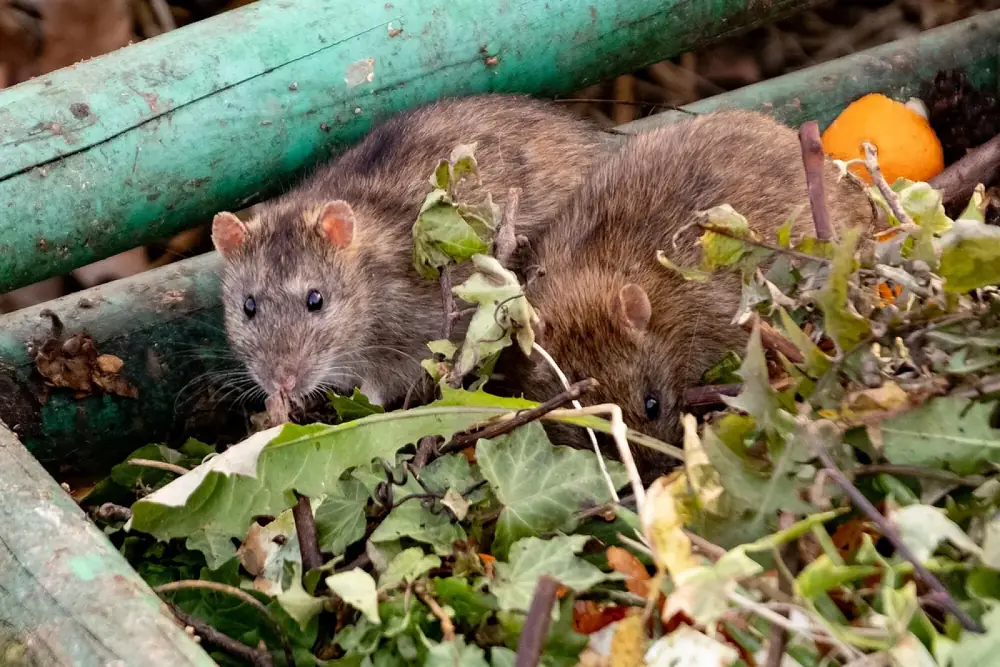
Rodent control in Randburg works best as a programme rather than a once-off dose of poison. For businesses, complexes and larger homes we map where rats and mice feed, nest and travel, set lockable bait stations and traps, close the entry points and keep a record of every visit. That breaks the cycle of rodents moving back each winter.
Who this service is for
Randburg has a long commercial spine: offices, showrooms, retail centres, fast-food outlets and light industry along the main roads, plus the industrial units around Strijdompark. Behind them sit residential complexes with shared refuse areas and communal gardens. They all have the same weakness: one site's rodent problem feeds the next. If you manage a building, run a kitchen, chair a body corporate or own a warehouse, this page is for you. For a single house with something in the roof, our pages on rat removal in Randburg homes and mice in Randburg houses will be more useful.
What feeds rodents on commercial sites
- Refuse areas. Overflowing bins, split bags and wash-down water near takeaway and restaurant back doors.
- Storage. Pallets, cardboard and stock stacked against walls, especially in warehouses where the same corner isn't moved for months.
- Landscaping. Dense groundcover, creepers on boundary walls and irrigated beds right next to buildings give brown rats places to burrow.
- Service gaps. Holes where cables, gas lines and air-conditioning pipes enter, gaps under roller doors, and broken drain covers.
Our rodent programme, step by step
1. Survey
We walk the site with whoever knows it best, whether that's the facilities manager, the chef or the caretaker, and mark activity: droppings, rub marks, gnawing, burrows and runs. We note entry points and the conditions feeding the problem.
2. Station layout
Lockable, tamper-resistant bait stations go around the outside perimeter, fixed in place and numbered. Inside, particularly in food areas, we use traps rather than bait so nothing is carried into stock or preparation zones. Tracking powder can be used in voids and ducts to show where rodents are running.
3. Proofing advice
You get a clear list of gaps to close: brushes on doors, mesh over vents, sealed service entries, vegetation cut back from walls. Proofing is what stops the next generation, so we treat it as part of the job, not an extra.
4. Scheduled monitoring
On a contract, we return on a regular schedule, check and record every station, replace bait and report any change. You keep a service file for health inspectors, auditors or head office.
Complexes and estates
Sectional-title complexes in Northriding, Olivedale and the newer parts of Randburg often have shared roof voids over rows of units, a central bin yard and lawned common areas. Treating units one at a time just moves rodents from one ceiling to the next. A whole-site plan agreed with the body corporate, with stations around the perimeter and refuse area and traps in the roofs of affected units, is far more effective and usually costs less over a year.
Rats or mice: why it matters on a big site
Rats tend to live outside and come in to feed, so perimeter baiting and proofing do most of the work. Mice can live their whole lives indoors, inside shelving, ceiling voids or the base of kitchen equipment, so they need more internal traps and closer inspection of stock. Many Randburg sites have both, and the station layout has to reflect that.
Where it goes wrong
The most common failure on business sites is loose bait blocks pushed behind shelving or into ceilings with no record of where they are. Rodents move the bait, stock gets contaminated, and when an auditor asks for a station map nobody has one. The second is stopping as soon as activity drops. Rodent pressure in Randburg returns as winter nights get cold, so the stations need to stay serviced through the season.
A local tip for Randburg businesses
Look at the back of the building, not the front. Rows of shops and offices along the main roads often share a service lane or back yard with bins, old equipment and overgrown verges. Get your neighbours to agree on a clean-up and keep bin lids shut. One tidy yard next to three messy ones won't stay rodent-free for long.
What a rodent programme costs, and why
A contract is priced on the size of the site, the number of stations and traps, how often we visit and how much reporting you need. A small office is a light contract; a warehouse or a large complex with several refuse areas needs more stations and more frequent checks. Once-off treatments are available for homes and smaller premises. See our guide to pest control prices in Johannesburg for where rodent work starts; the guide "from" price shows on this page too. We quote after the survey.
Our rodent control service across Johannesburg explains how we work city-wide, and we run the same kind of programmes for businesses and estates in Fourways. Industrial tenants may find our notes on pest control in Strijdompark useful, and the rest of what we do locally is on the Randburg pest control page.
Combat Pest Control is owned and operated by Jason van Heerden, who has 25 years of experience in pest control. We're SAPCA registered and registered with the Department of Agriculture, and we offer service within 24 hours, with a 3-month guarantee on once-off treatments. To set up a survey, call 084 200 2700 or WhatsApp us photos of the activity.
Questions we get asked
How much does a rodent control contract cost?
It's priced on the size of the site, the number of stations and traps and how often we visit. A small office costs far less than a warehouse or a large complex. We quote after a survey so you only pay for what the site needs.
How often should our bait stations be checked?
That depends on the activity and the type of business. Food businesses and sites with active problems need more frequent visits; quieter offices can be checked less often. We agree a schedule with you after the survey.
Will we get records for a health inspection or audit?
Yes. Every visit is recorded, with a station map, what was found and what was done, so you can show inspectors or head office a complete history.
Is rodent bait safe to use in a food business?
Bait stays outside in lockable, tamper-resistant stations. In kitchens and food storage we use traps instead, so no bait is near food or preparation areas.
Can our body corporate sign one contract for the whole complex?
Yes, and it's the approach that works. Rodents move through shared roofs and gardens, so one plan for the whole site beats unit-by-unit treatments.
Do we have to sign a contract?
No. Homes and smaller premises can book a once-off treatment with a follow-up, which carries our 3-month guarantee. Contracts suit sites with ongoing pressure or audit requirements.
What do you need from us before the survey?
Access to the whole site, including refuse areas, storerooms and roof hatches, and someone who knows where activity has been seen. Don't move or throw away droppings or chewed stock before we arrive; they help us map the problem.