
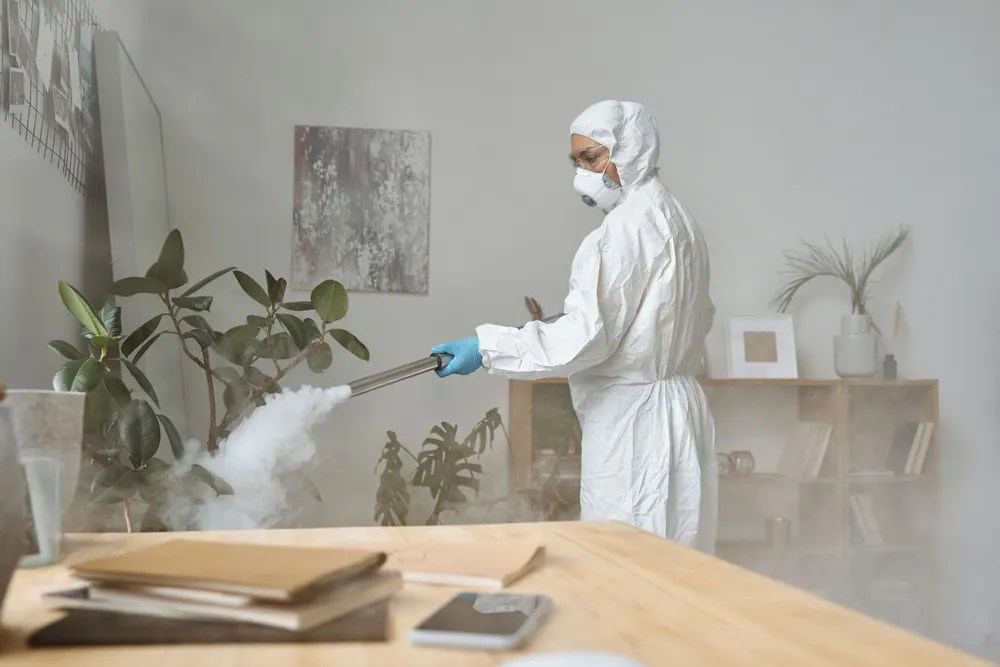
Pest control in Westcliff is about life on a steep, rocky ridge. Scorpions and spiders hide among rocks and terrace walls, roof rats travel through the trees, wasps and bees build in eaves and wall cavities, and termites find old timber and damp soil. We inspect the whole property, treat the source and help you keep pests out.
Living on the ridge
Westcliff sits on the steep ridge between Parktown and the green valley around Zoo Lake and Emmarentia. Roads twist around the slope, and many houses are built on terraces held up by stone walls, with gardens that drop away in levels below. The homes are mostly large and older, some of them grand early twentieth-century houses, and the natural rock, indigenous trees and planted gardens all run together.
A slope full of rock and walls is perfect scorpion and spider habitat. Rain runs downhill and collects against the uphill walls of houses, keeping soil damp for termites. And dense trees on every level give rats and wasps plenty of shelter close to the roof.
What Westcliff homeowners ask us about
"I found a scorpion in the house."
It's common here, especially on warm summer nights. Scorpions shelter under rocks, in wall crevices and under loose bark by day and wander at night. Treating the outdoor harbourage and the perimeter of the house cuts sightings sharply. Our scorpion control in Johannesburg page explains the species and the treatment.
"There's a big nest under the eaves."
Paper wasps build under eaves, pergolas and window sills from late spring, and on a multi-level home those nests are often hard to reach. We treat and remove them safely. See wasp control around Rosebank for more. Bees are different: a swarm in a wall cavity or roof is best removed with a beekeeper where possible.
"Something is running around in the ceiling."
Usually roof rats, which come down from the trees onto the roof. Lockable bait stations outside, traps in the roof and closing the gaps is the fix.
"The skirting board sounds hollow."
That can be subterranean termites, especially in rooms against an uphill wall where soil stays damp. We confirm it, treat the soil around the structure or use baiting, and issue a treatment certificate with a 5-year termite guarantee. Our page on termites in Rosebank and nearby suburbs covers the approach.
Clues around a ridge-top home
- Scorpions found in baths, shoes or on the stairs, usually in the early morning
- Webs and egg sacs in the corners of retaining walls, garages and pool pump rooms
- A steady line of wasps flying to one spot under the eaves or a pergola beam
- Droppings and greasy rub marks along the top of a garden wall that leads to the roof
- Mud tubes on a wall that backs onto a terrace or flowerbed
- Piles of tiny wings on window sills after the first summer storm
A photo of any of these is usually enough for us to tell you what you're dealing with and how urgent it is.
How we handle a steep property
Terraced gardens take longer to inspect, so we plan for that. We check the roof space, the house perimeter, every terrace and retaining wall near the house, outbuildings and the pool area. Treatments are targeted where pests actually live rather than sprayed everywhere. The products are odourless and won't mark paving or walls, and the household doesn't need to clear out; just let surfaces dry before pets and children use them again.
The mistake that keeps scorpions coming
Landscapers love building rockeries and log edging right up against the house. It looks beautiful, but it puts scorpion and spider shelter a few centimetres from your doors and windows. Keep a strip of gravel or paving between rockery and wall, and the difference in sightings is noticeable.
A Westcliff tip
Check the drainage on the uphill side of your house. Where storm water pools against a wall, termites, millipedes and damp-loving insects gather. A clear channel or a simple drain to lead water away protects the foundation and removes the attraction.
Seasonal notes
Scorpions, spiders and wasps peak from October to March, when Highveld storms bring insects out. Flying termites appear after the first good rain. Rats push into roofs from around May as the nights get cold, and that's when we get most of our ceiling calls from the ridge.
What it costs and why
On a big, terraced property, the cost depends mostly on how much ground and wall there is to treat. A scorpion and spider treatment across several levels takes more time and product than one around a flat garden. Rats in a large roof need more stations; wasp nests in hard-to-reach spots take more work. Termite treatment depends on perimeter length and any paving or rock to drill. Our Johannesburg price guide shows the starting prices, and we quote after seeing the site.
Westcliff is covered by our Rosebank-area pest control, and we also work in neighbouring Parktown.
Combat Pest Control is owned by Jason van Heerden and backed by his 25 years in pest control. We're SAPCA registered and registered with the Department of Agriculture, we can usually provide service within 24 hours, and a 3-month guarantee applies to general treatments. If you've spotted something on the stairs tonight, call 084 200 2700 or WhatsApp us a photo.
Questions we get asked
What does pest control cost on a terraced property in Westcliff?
It depends on how many levels, walls and rockeries need treating and which pest it is. Bigger, steeper sites take more time. You'll find starting prices on our guide prices page; the final quote follows a site visit.
Which scorpions are dangerous?
As a rule, scorpions with thick tails and small pincers have stronger venom; those with big pincers and thin tails are less dangerous. All stings hurt, so avoid handling any of them.
Can you remove a wasp nest from a high eave?
Yes. We bring the right equipment to reach high nests and remove them once treated.
How can I reduce scorpions without poison?
Move rocks, logs and wood piles away from the house, seal gaps under doors and fix outside lights so they don't draw insects to your doorways.
Is it safe for my pets?
Yes, when applied correctly. Pets can use treated areas once they're dry, and rodent bait stays locked away in stations.
When is the best time to treat for scorpions?
Early summer, before activity peaks. A treatment in October or November covers the worst of the season.