
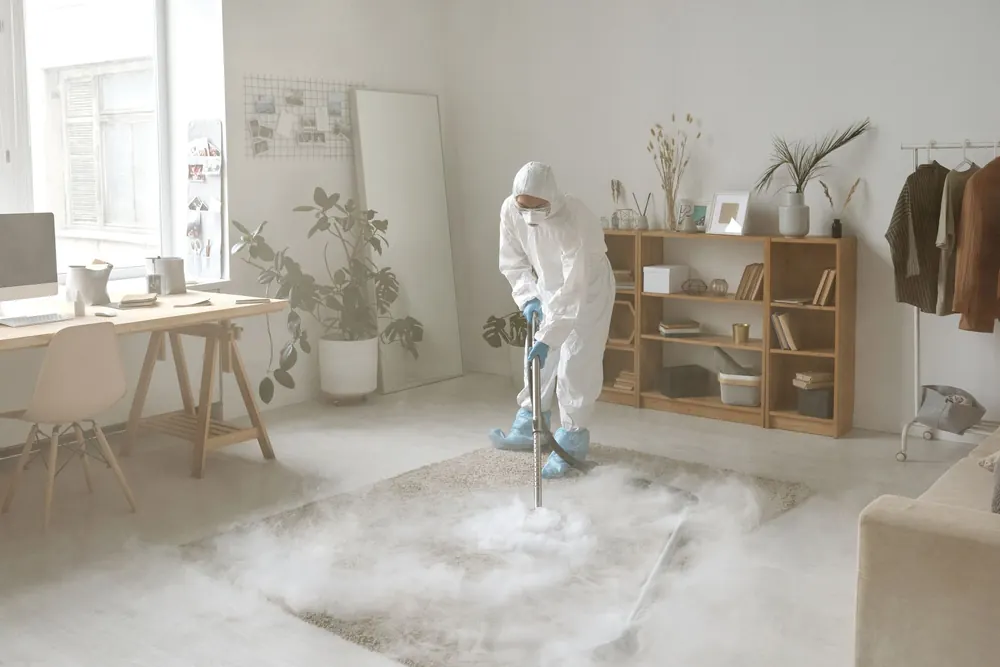
An entomological inspection is a professional check of a property for wood-destroying insects or other pests, followed by a written report or certificate. This entomological inspections guide covers the two main uses: certificates for property sales, where buyers and banks want proof the timber is free of termites and borer, and pest reports for food businesses and audits.
What "entomological" means here
Entomology is the study of insects. In property and business terms, an entomological inspection means a qualified pest controller examining a building for insect activity, mainly the insects that damage buildings, and putting the findings in writing. For homes, that's subterranean termites and wood borer beetles in timber. For businesses, it can cover cockroaches, stored product insects, flies, rodents and anything else relevant to food safety.
Inspections for property sales
Many offers to purchase include a clause requiring the seller to provide a certificate stating that the property is free of wood-destroying insects. Banks and conveyancers often want to see it before transfer. Even where it isn't required, buyers increasingly ask, especially for older homes with timber floors and roof trusses.
What we check
- The roof space: trusses, purlins, battens and the timber around the eaves
- Floors, skirting boards, door frames, window frames and built-in cupboards
- Outbuildings, garages, carports and timber decks
- Foundations and walls for mud tubes
- Signs of borer: exit holes, fresh dust and soft timber
- Conditions that invite termites, such as wood against soil, leaks and stored timber
What you get
If there's no active infestation, we issue the certificate. If we find activity, the report explains what was found, where, and the treatment needed. Once treatment is done, the certificate can be issued, so the sale can still go ahead. Termite treatments carry our 5-year guarantee and a treatment certificate, which buyers find reassuring.
Timing it right
The most common problem we see is an inspection booked days before transfer. If something is found, there's no time to treat without delaying the sale. Book the inspection as soon as the offer is signed, or before you list if you own an older property and want no surprises.
If you're the buyer
A buyer can ask for an independent inspection before the sale goes through, and it's worth doing on any older house, or on a newer one where the garden is full of old stumps or the previous owners added an extension. Ask who did the seller's inspection and when. A certificate issued months ago, before an extension or a wet summer, tells you less than one done this month. If the report recommends treatment, agree with the seller who pays for it and make sure it's done before transfer. If you're about to renovate, have floors and roof timbers checked before work starts, and if you're adding rooms, plan a termite pre-treatment for the new section at the same time.
Inspections and pest reports for businesses
Restaurants, food manufacturers, warehouses, retailers, schools and hospitality businesses are expected to show they manage pests properly. Health inspectors, food safety auditors, franchise groups and big customers all ask for evidence. An inspection and written pest report gives you a starting point: what pests are present or at risk, where, why, and what's recommended.
For most businesses the inspection is the first step towards a scheduled monitoring contract, with regular visits, numbered bait stations and a written service record of every visit and every treatment. That record is what auditors want to see.
Why Johannesburg properties need checking
Johannesburg's older suburbs are full of houses with original timber floors, roof trusses and built-in cupboards, and the Highveld's moist subsoils and summer rains suit subterranean termites. Borer moves quietly through old pine for years before anyone notices. In newer areas, buried building rubble and timber offcuts on former veld feed termite colonies near the foundations. None of it is obvious to a buyer on a viewing. Our pages on termite treatment in Johannesburg and wood borer in Johannesburg homes explain those two problems in more detail.
What people get wrong
Sellers sometimes hope old borer holes will be overlooked. They won't be, and they don't have to be a problem: old, inactive damage with sound timber isn't an active infestation. Hiding it only raises suspicion. Buyers, on the other hand, sometimes assume a certificate means the property will never have termites. It confirms the condition at the time of inspection; future protection depends on treatment and maintenance.
What an entomological inspection costs, and why
The price depends on the size of the property, the number of buildings, how accessible the roof space and subfloor are, and whether you need a sales certificate or a full business pest report. A standard house with an accessible roof is a straightforward inspection. Large homes with several outbuildings, or factories and warehouses, take longer. Any treatment needed is quoted separately. See the guide "from" price on our pest control prices for Johannesburg.
Preparing for the inspection
- Make sure the roof hatch is accessible and there's a ladder or we can bring one.
- Clear access to built-in cupboards, the garage and outbuildings.
- Tell us about any previous termite or borer treatment and have the paperwork if you can.
- For businesses, have previous pest control records available.
To book an inspection for a specific property, see entomological inspections in Johannesburg.
Combat Pest Control is owned and operated by Jason van Heerden, with 25 years of inspecting and treating Johannesburg properties. We're SAPCA registered and registered with the Department of Agriculture under Act 36 of 1947, and we offer service within 24 hours, which helps when a transfer date is close. Call 084 200 2700 to book, or WhatsApp us the address and the date you need the certificate by.

Questions we get asked
How much does an entomological inspection cost?
It depends on the size of the property, the number of buildings and how easy the roof space is to reach. A standard house is straightforward; large properties and businesses take longer. Our price guide shows the starting price.
Do I need an entomological certificate to sell my house?
Often, yes. Many offers to purchase require one, and banks and conveyancers commonly ask for it before transfer. Check your offer to purchase or ask your conveyancer.
What happens if you find termites or borer?
We explain what we found and the treatment needed. Once the treatment is done, the certificate can be issued so the sale can proceed.
How long does the inspection take?
A standard house usually takes an hour or two, depending on roof access and outbuildings. Larger properties and businesses take longer.
How soon should I book it?
As soon as the offer to purchase is signed, or before you list an older property. Leaving it until days before transfer risks delays if treatment is needed.
Do businesses need pest reports?
Food businesses, warehouses and hospitality venues are usually expected to show pest management records at inspections and audits. A pest report and a scheduled contract with service records covers this.
Does the certificate mean I'll never get termites?
No. It confirms there was no active infestation at the time of inspection. Future protection depends on treatment, maintenance and keeping timber away from soil.