
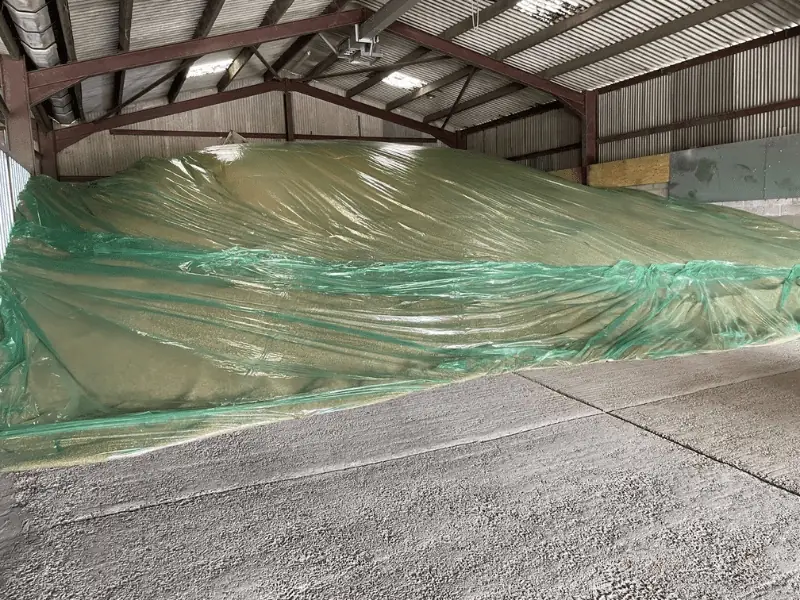
Fumigation is a treatment that fills a sealed space with a registered fumigant gas, so it reaches pests deep inside timber, furniture, stored goods or containers where sprays can't. This fumigation guide explains when it's genuinely needed, how the process works, the safety rules, and why most home pest problems don't need fumigation at all.
Fumigation versus ordinary spraying
In everyday South African speech, "fumigating the house" often means a normal pest treatment: someone spraying for cockroaches or ants. That's not fumigation. A normal insect treatment uses baits and residual sprays on surfaces, and you can stay at home while it's done.
True fumigation is different. The area or item is sealed, a gas is released that penetrates every crack and every piece of material inside, it's held for the required time, and then the space is ventilated and tested before anyone goes back in. Because the gas is toxic, it must be done by people trained and registered to handle fumigants, under strict safety procedures.
When fumigation is the right answer
- Wood borer in furniture and antiques. Larvae deep inside a carved cupboard or an old chest are out of reach of surface treatments. Fumigation kills them throughout.
- Stored product pests. Weevils, grain beetles and moths in warehouses, stores, silos or bulk stock, where every bag and pallet needs treating at once.
- Shipping containers and exports. Containers, pallets and packaging that need to be free of insects before they move.
- Heavy infestations in contained spaces. Some infestations in a sealed room or structure, where the alternative would be weeks of repeated treatment.
When it isn't needed
Cockroaches in a kitchen, ants, fleas, most bed bug cases, rats and mice, and termites in the soil are all better handled without fumigation. Gel baits, ant baits, targeted residual treatments, bait stations and soil treatments solve these problems more safely and at far lower cost. If someone offers to "fumigate" your flat for cockroaches, ask exactly what they plan to use, because a gas fumigation for that would be unusual and a fogger is rarely the right tool. Our guide on how to get rid of cockroaches explains what actually works for them.
How a fumigation is done
- Assessment. We confirm the pest, check that fumigation is the right method, and look at the space or items involved.
- Preparation and sealing. The area, container, room or items under a sheet are sealed so the gas can't escape. Food, people, pets and plants are removed from the area.
- Warning and securing. Warning notices go up, and the area is secured so nobody enters by accident.
- Release and exposure. The registered fumigant is released and held for the time needed to kill all stages of the pest, including eggs and larvae.
- Ventilation and clearance. The space is aired out and checked before it's declared safe to re-enter.
Unlike ordinary treatments, fumigation means the sealed area must be vacated until it's cleared. That's not optional.
Fumigation for wood borer
Wood borer is the most common reason homeowners come across fumigation. Infested floors and roof timbers are usually treated with a registered timber treatment that soaks into the wood. Furniture, particularly older pieces with carving, veneer or joints that hide larvae, is often better fumigated, either in a sealed space or under a sheet. The wood borer guide covers identifying active borer before you decide.
Fumigation for businesses
Food manufacturers, mills, warehouses, importers and exporters use fumigation to keep stock and premises free of insects that sprays can't reach. These jobs are planned around production and delivery schedules, with records kept for audits and customers. Where ongoing monitoring is needed between fumigations, a scheduled contract with service records keeps everything documented. If you also need a written pest report for an audit or buyer, see our entomological inspections guide.
The mistake to avoid
Hiring someone without checking that they're registered to handle fumigants. Fumigation gases are dangerous if used carelessly, and an unsealed space, a missed warning or early re-entry can harm people and pets. Ask who is doing the work, what product they're using, and how and when the space will be cleared. A properly registered operator will have clear answers.
What fumigation costs, and why
Fumigation is priced by the job. The volume of the space or the amount of stock, the fumigant needed, how much sealing is involved, how long the exposure must run and the clearance process all affect the cost. A few pieces of furniture are a modest job; a warehouse or a set of containers costs more. Our pest control prices page shows the guide "from" price, and we'll quote properly after assessing. We'll also tell you straight if a cheaper non-fumigation treatment will do the job.
How to prepare for fumigation
- Remove all food, medicines, pets, plants and people from the area to be fumigated.
- Follow our instructions on what can stay sealed and what must come out.
- Arrange somewhere for everyone to be until the area is cleared.
- Don't enter the area, even briefly, until we've confirmed it's safe.
For fumigation work in and around the city, see our fumigation services in Johannesburg.
Combat Pest Control is the business of Jason van Heerden, who has worked in pest control for 25 years and runs every job. Our SAPCA membership and Department of Agriculture registration under Act 36 of 1947 cover the products and methods we use, and we offer service within 24 hours. To find out whether you really need fumigation, call 084 200 2700, or WhatsApp us a photo of the pest or the damage.

Questions we get asked
How much does fumigation cost?
It depends on the size of the space or the amount of stock, the fumigant needed, the sealing involved and the exposure time. Furniture is a smaller job than a warehouse or containers. We quote after assessing, and our price guide shows the starting price.
Do I need to leave my home during fumigation?
Yes, if the area being fumigated is part of your home. The sealed area must be vacated until we've ventilated it and cleared it as safe.
How long does fumigation take?
It depends on the fumigant and the pest. The exposure time, then ventilation and clearance, all have to be completed before re-entry, and we'll give you the timing beforehand.
Do I need fumigation for cockroaches?
Almost never. Gel baits and targeted treatments work far better for cockroaches and don't require anyone to leave.
Is fumigation safe for my pets?
Only if they're kept out of the area until it's cleared. Pets, people, plants and food must all be removed before fumigation starts.
Does fumigation prevent pests from coming back?
Fumigation kills the pests present but doesn't leave a lasting barrier. Preventing reinfestation depends on treated timber, good storage and monitoring.
Can you fumigate furniture for wood borer?
Yes. Furniture and antiques with active borer are often better fumigated than surface-treated, because the gas reaches larvae deep in the wood.