
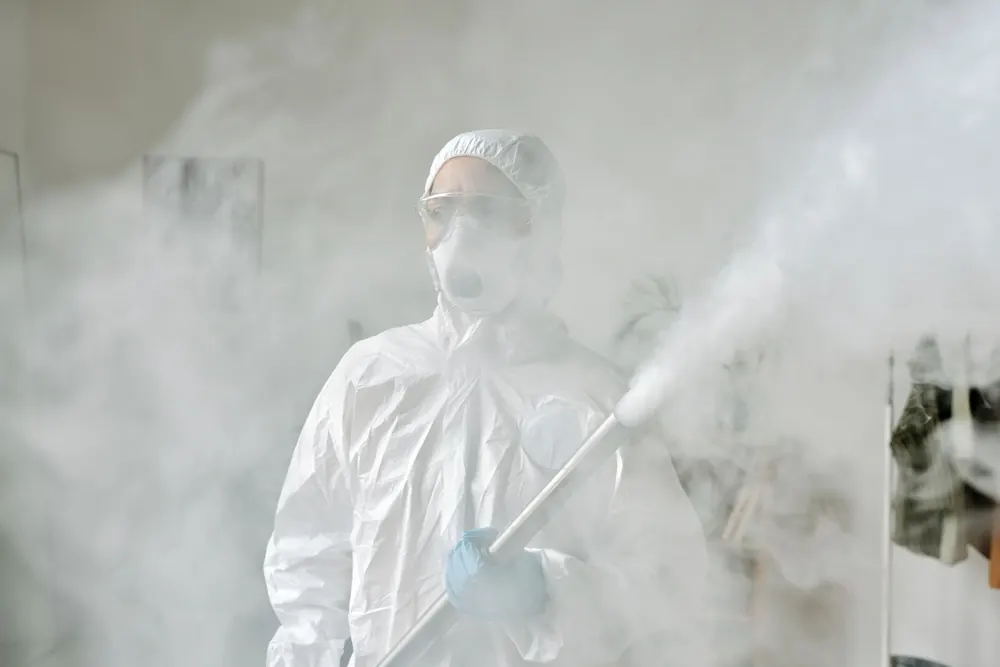
A good pest exterminator inspects before treating, identifies the pest, uses registered products correctly and stands behind the work with a guarantee. This pest exterminator guide explains how to check registration, what a proper visit should include, the warning signs of a poor operator, and what drives the cost of a treatment.
What an exterminator actually does
The word "exterminator" suggests someone who arrives, sprays and leaves. Modern pest control is more about understanding the pest. Cockroaches, rats, termites, bed bugs and ants each need a different method, and the cause, whether a leak, a gap under the eaves, a compost heap or a second-hand couch, matters as much as the treatment. The person you hire should spend time looking before they spend time spraying.
Check registration first
In South Africa, anyone applying pesticides commercially must be registered with the Department of Agriculture under Act 36 of 1947. That registration means the operator has been trained in the products they use and how to apply them safely. Membership of SAPCA, the South African Pest Control Association, is another sign of a professional business. Ask for both. A reputable company will answer the question without fuss.
What a proper visit looks like
- Questions before the visit. What you've seen, where, when and for how long. A photo helps.
- An inspection. Kitchens, roof space, garden, drains, cupboards or bedrooms, depending on the pest. The exterminator should be looking for the cause, not just the insects.
- An explanation. What the pest is, why it's there, what they'll do and what you need to do. You should leave the conversation understanding the problem.
- The right method. Gel baits for cockroaches, baits for ants, lockable bait stations and traps for rodents, soil treatment or baiting for termites, careful treatment of beds and furniture for bed bugs. Not one spray for everything.
- Safety instructions. Which surfaces to keep children and pets off and for how long, and whether anyone needs to leave (for normal treatments, they shouldn't).
- Follow-up and a guarantee. Some pests always need a second visit. A professional will tell you upfront and back the work.
Warning signs of a poor operator
- A price given over the phone for a termite or rodent job, without any inspection.
- Spraying every room for a pest that only lives in the kitchen.
- Loose rat poison thrown into the roof instead of bait stations.
- Strong-smelling products that leave stains or residue on surfaces.
- No guarantee, or a vague one with no time period.
- No registration details, or reluctance to give them.
- Telling you to move out for an ordinary cockroach treatment.
Exterminator or DIY?
Some problems are fine to handle yourself. A few ants after rain, a single mouse, or fruit flies around the fruit bowl usually respond to store-bought baits, a trap and some cleaning. Call a professional when the problem keeps coming back, when it's in the structure (termites, wood borer, rats in the roof), when it affects sleep or health (bed bugs, fleas, bird mites), or when you run a business that needs records. Our article on getting rid of cockroaches yourself shows where that line usually falls for one of the most common pests.
Homes, complexes and businesses
Homes usually need a single treatment, sometimes with a follow-up. Townhouse complexes and estates work better when the whole site is treated, because pests move through shared roofs, walls and gardens; the body corporate or managing agent usually arranges it. Businesses such as restaurants, shops, offices, schools and warehouses are best on a scheduled monitoring contract with regular visits and a written service record, which is what health inspectors and auditors check. For the full range of services across the city, see our pest control in Johannesburg page.
The mistake that costs the most
Choosing the cheapest quote without asking what it includes. A low price that skips the inspection, uses the wrong method or offers no follow-up often ends with the same pest back in a month and a second bill. The cheapest job is the one done properly the first time.
What a pest exterminator costs, and why
The cost depends on the pest, the size of the property, how established the problem is, whether follow-up visits are needed, and for businesses, how often visits are scheduled. Ants or cockroaches in a flat are at the lower end; termites, bed bugs in several rooms, or a large commercial site are at the upper end. Our guide prices for each treatment show where things start, and a good exterminator should confirm the price after inspecting, not before.
Questions worth asking before you book
- Are you registered with the Department of Agriculture, and are you SAPCA members?
- Will you inspect before treating?
- What product and method will you use, and is it safe for my children and pets?
- Do I need to leave, and for how long?
- What's the guarantee, and what happens if the pest comes back?
If you'd rather talk to someone who will come and look, our pest exterminator service in Johannesburg page explains how we work.
Combat Pest Control is owned and operated by Jason van Heerden, who has 25 years in the trade. We are SAPCA registered and registered with the Department of Agriculture under Act 36 of 1947. We offer service within 24 hours and a 3-month guarantee on general treatments, and termite treatments carry a 5-year guarantee with a certificate. Call 084 200 2700, or WhatsApp us a photo and we'll tell you what you're dealing with.

Questions we get asked
How much does a pest exterminator cost?
It depends on the pest, the size of the property and whether follow-up visits are needed. Ants or cockroaches in a flat cost less than termites or bed bugs in several rooms. Our price guide shows the starting prices.
How do I know if an exterminator is registered?
Ask for their Department of Agriculture registration under Act 36 of 1947 and whether they're SAPCA members. A professional will give you the details without hesitation.
Do I need to leave my house when the exterminator sprays?
Not for normal insect treatments; the family just stays off sprayed surfaces until they've dried. Only gas fumigation requires the sealed area to be vacated.
How long does a pest treatment last?
It depends on the pest and the product. Our general treatments carry a 3-month guarantee and termite treatments a 5-year guarantee, and lasting results also depend on fixing what attracted the pest.
How soon can an exterminator come out?
We offer service within 24 hours. Call 084 200 2700 or WhatsApp us a photo so we can bring the right equipment.
Should I clean before the exterminator arrives?
Tidy enough to give access, but don't scrub away evidence like droppings or mud tubes, and don't spray anything yourself. Clear under sinks, along skirting boards and around the roof hatch.
Is a cheaper exterminator just as good?
Sometimes, but check what's included. A quote that skips the inspection, follow-up or guarantee often costs more in the end when the pest comes back.