
Insect control works best when it starts with identification: knowing which insect you have tells you where it breeds, what attracts it and which treatment will actually reach it. This insect guide sorts Johannesburg's common household insects into crawling, flying and biting groups, explains why one spray doesn't fit all, and shows how we treat each type.
Why identification comes first
Two insects can look similar and need completely opposite treatments. A German cockroach in a kitchen cupboard is best controlled with gel bait, because spraying makes the colony scatter and avoid treated areas. An American cockroach coming up from a drain needs attention on the drain and the outside of the house. Flying ants and flying termites appear on the same warm, humid evenings, but one is a nuisance and the other could be a colony eating your skirting boards. A tiny red bite could be a flea, a bed bug or a bird mite, and each one lives somewhere different.
That's why we don't arrive with a tank and spray everything. We look, identify, find the source and then choose the method.
Crawling insects
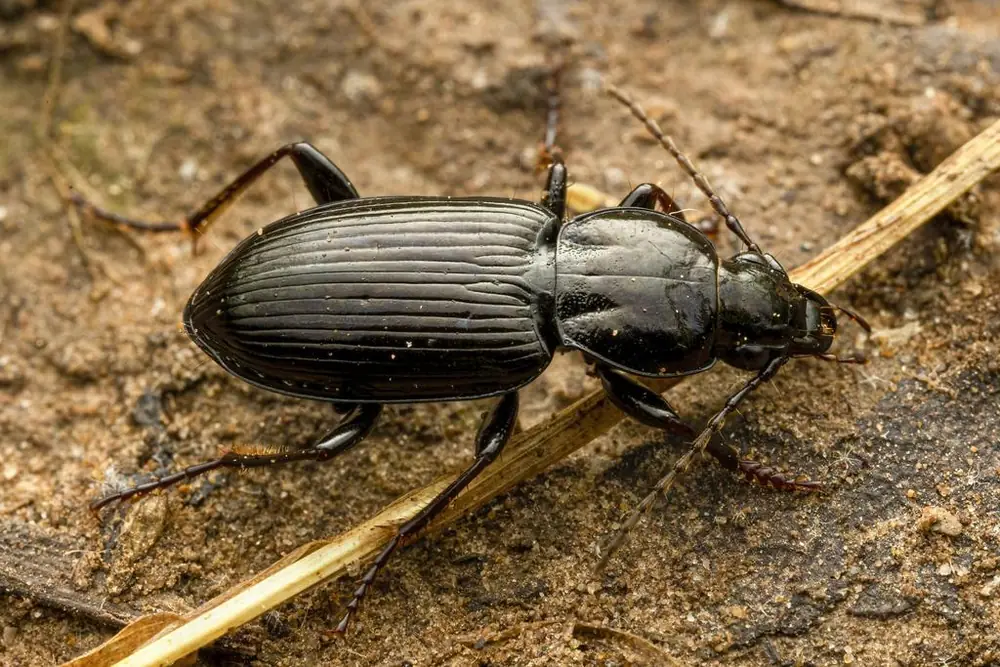
These are the insects you find on floors, in cupboards and along skirting boards: cockroaches, ants, fish moths, booklice, carpet beetles and, outside the insect family but often lumped in, centipedes and millipedes. Most live close to food, moisture or both, and many hide in cracks during the day. Baits and targeted crack-and-crevice treatments do most of the work, with barrier treatments outside where pests are walking in. Our crawling insect guide covers each one properly.
Flying insects
Flies, mosquitoes, wasps, moths, fruit flies and the flying stages of ants and termites. The key with flying insects is that the adults you see are rarely the whole problem. Flies breed in waste, mosquitoes in standing water, wasps in nests under eaves, fruit flies in overripe fruit and drains. Control means finding and removing the breeding site, then dealing with the adults. Read more in the flying insect guide.
Biting insects (and a few non-insects)
Fleas, bed bugs and mosquitoes are true insects. Ticks and bird mites are arachnids, but they bite, so people group them together. Biting pests cause the most distress, because they affect sleep, pets and sometimes health. They also need the most careful identification, since the treatment for fleas in a lawn has nothing in common with treating bed bugs in a mattress.
How the Highveld seasons shape insect problems
Johannesburg's pattern is fairly predictable. The first heavy storms of spring bring swarms of flying termites and ants. Through the warm, wet summer, flies, mosquitoes and wasps peak, and fleas build up in shady gardens. Cockroaches carry on all year in flats, restaurants and warm kitchens, because heated buildings give them a permanent summer. In the dry winter most outdoor insects slow down, which makes it a good time to deal with fish moths, booklice and carpet beetles indoors, and to prepare the outside of the house before spring.
How we treat insects
- Inspection. We look at where the insects are, where they're hiding and what's drawing them in: food, moisture, clutter, gaps, or animals.
- Identification. We confirm the species. If you've caught one, keep it in a jar or take a clear photo for us.
- The right method. Gel baits for cockroaches, ant baits the workers take back to the nest, odourless and non-staining residual sprays in cracks and along skirtings, barrier treatments outside, or direct nest treatment for wasps.
- Advice. The changes that stop the insect coming back, from fixing a leak to moving a compost heap.
- Follow-up where the species or the size of the infestation calls for it.
For normal insect treatments you can stay at home. Children and pets just need to keep off treated surfaces until they're dry.
The common DIY trap
Supermarket sprays and foggers kill what they touch, and very little else. They don't reach eggs inside cockroach egg cases, ant queens deep in a nest or flea pupae in a carpet. Worse, repellent sprays can spread a problem: ants split into new colonies, and German cockroaches learn to avoid treated areas. If a spray hasn't solved the problem after one or two attempts, it isn't going to.
What insect control costs, and why
The cost depends on the insect, the size of the property and how established the infestation is. A one-off ant baiting in a kitchen is a small job. A German cockroach infestation in a block of flats, or bed bugs in several rooms, needs more time, more product and a follow-up visit. Businesses on a scheduled monitoring contract pay for regular visits with service records. Our guide prices show where each treatment starts, and we'll be straight with you if the problem is small enough to handle yourself.
Preventing insect problems
- Fix dripping taps, leaking geysers and damp under sinks: moisture draws most crawling insects.
- Store dry food in sealed containers and don't leave pet food out overnight.
- Get rid of cardboard boxes in garages and cupboards; cockroaches and fish moths love them.
- Empty anything that holds rainwater, like pot plant saucers, old tyres and blocked gutters.
- Keep mulch and wood piles away from the walls of the house.
For treatment across the city rather than general information, see insect control in Johannesburg, or our cockroach treatments around Johannesburg if it's roaches you're battling.
Combat Pest Control belongs to Jason van Heerden, who has worked in pest control for 25 years and still runs the business himself. We are SAPCA registered, registered with the Department of Agriculture in terms of Act 36, provide service within 24 hours and back general treatments with a 3-month guarantee. Not sure what you've found? Call 084 200 2700, or WhatsApp us a photo and we'll identify it.

Questions we get asked
How do I identify an insect in my house?
Take a clear photo or keep one in a jar and WhatsApp us the picture. Note where you found it and what time of day, because that helps confirm the species.
How much does insect control cost?
It depends on which insect it is, the size of the property and how bad the infestation is. Ant or cockroach work in one home is modest; bed bugs or large buildings cost more. Our price guide shows the starting prices.
How long does an insect treatment last?
Residual treatments keep working for weeks after application, and our general treatments carry a 3-month guarantee. How long you stay insect-free also depends on fixing what attracted them.
Do I have to leave the house during treatment?
No. Normal insect treatments don't require you to move out; just keep the kids and pets out of sprayed areas until everything has dried.
Why do I get more insects after it rains?
Highveld summer storms trigger flying ant and termite swarms, flood ant nests so they move indoors, and fill containers that mosquitoes breed in.
Is one spray enough for all insects?
No. Different insects need different methods, such as baits for cockroaches and ants, nest treatment for wasps and breeding-site work for flies. A general spray often misses the source.
What should I do before an insect treatment?
Clear the areas we'll treat, such as under sinks and along skirting boards, put away food and pet bowls, and don't spray anything yourself in the days before, as it can make baits less effective.