
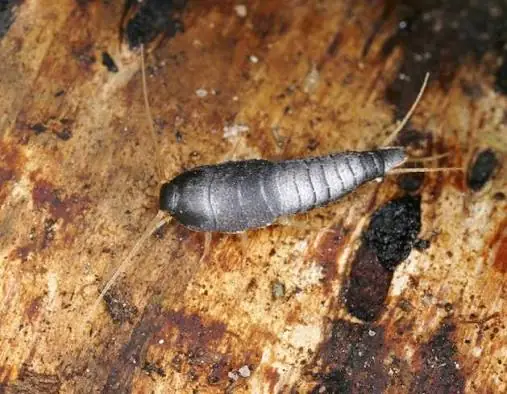
Fish moth control in Sandton is about two things: treating the cracks, voids and storage areas where silverfish hide, and changing the damp, dark conditions that let them breed. We inspect cupboards, bookshelves, roof spaces and storerooms, apply a residual treatment to the harbourage and show you what to change so they don't return.
What fish moths are, and what they eat
Fish moths, also called silverfish, are small, wingless, carrot-shaped insects with silvery scales and long antennae. They move quickly, avoid light, and come out at night. Their diet is the problem: starch, glue, cellulose and protein. That means book bindings, paper, cardboard, wallpaper paste, photographs, cotton and linen, cereals and flour, and the sizing in fabrics. They graze surfaces rather than chewing holes through them, leaving irregular thin patches, yellowish stains and tiny pepper-like droppings.
Why they appear in Sandton homes
Johannesburg's air is dry for much of the year, but fish moths don't need a damp climate; they need a damp corner. In Sandton homes we find them in en-suite bathrooms with poor ventilation, built-in cupboards against outside walls, laundry rooms, and under-stair storage. Big houses with many rooms that are rarely used, guest suites, studies with large book collections and storerooms full of boxes give them years of undisturbed living. Newer homes and townhouses aren't immune either: moving boxes, stored cardboard and new built-in cupboards fixed against slightly damp walls are a common starting point.
Offices and businesses get them too. Archive rooms, document stores in basements and storerooms full of paper records in the commercial buildings around the CBD are ideal habitat, especially where air-conditioning drips or basement walls stay cool and humid.
Signs to look for
- Silver insects darting away when you open a cupboard or lift a box
- Thin, ragged patches on wallpaper, book covers, labels or photographs
- Yellowish stains on stored clothing and linen
- Tiny dark droppings and shed scales on shelves
- Fish moths in the bath or basin in the morning; they fall in at night and can't climb the smooth sides
How we treat fish moths
- Inspection. We find the harbourage: skirting gaps, the void behind built-in cupboards, roof space insulation, ceiling cornices, bookshelves and storage boxes.
- Residual treatment. An odourless, non-staining residual product is applied into cracks, crevices, cupboard voids and skirting where fish moths live. Where it suits, a fine dust is used in wall voids and the roof space.
- Advice on conditions. We point out the damp spots, ventilation and storage habits that keep them coming back.
- Follow-up if needed. Fish moths live for years, so heavy infestations sometimes need a second visit.
You don't need to move out or empty every cupboard; we'll tell you what to clear before we come. Keep children and pets off treated surfaces until they're dry.
The common mistake
Storing things in cardboard boxes. Cardboard is both food and shelter for fish moths, and stacked boxes in a garage, a storeroom or the back of a cupboard are where most of the populations we treat are concentrated. People treat the shelves and leave the boxes, and the insects simply move back.
A Sandton tip
Run the extractor fan for twenty minutes after every shower in an en-suite, and leave a gap between built-in cupboards and the walls behind them wherever you can. In larger Sandton homes, the cupboard that shares a wall with a bathroom is almost always where fish moths start, because that wall stays slightly damp all year.
What fish moth control costs, and why
The price depends on the size of the home, how many rooms and cupboards need treatment, whether the roof space is involved and how much storage there is. One bathroom and a couple of cupboards is a small job; a large house with a library, a basement storeroom or an office archive takes longer. This page shows a guide 'from' price, and our list of pest control prices shows how jobs compare. For a handful of fish moths in one cupboard, clearing the cardboard, airing the space and keeping it dry may be all that's needed.
Fish moth or something else?
Holes in woollens, rugs and carpets point more often to carpet beetle larvae or clothes moths. Fine powdery dust under furniture or floors is a sign of wood borer in Sandton homes rather than fish moths, and needs a different treatment. Small insects in damp bathrooms can also be booklice.
For all our local services, visit our Sandton pest control page. We also treat fish moths in Rosebank homes, many of them older and full of books, and across the city through fish moth control in Johannesburg. Homes in Atholl with large houses and big storerooms are a common call.
Jason van Heerden owns and runs Combat Pest Control and has spent 25 years in pest control. We're SAPCA registered and registered with the Department of Agriculture, offer service within 24 hours, and fish moth treatments carry a 3-month guarantee. Call 084 200 2700, or WhatsApp us a photo of the insect or the damage.
Questions we get asked
How much does fish moth treatment cost?
It depends on how many rooms and cupboards are affected and whether the roof space or a storeroom needs treating. A bathroom and a few cupboards is a small job; large homes and archives cost more.
Are fish moths harmful?
No. They don't bite or carry disease. The problem is damage to books, paper, photographs, wallpaper and stored clothing.
Do I need to empty my cupboards?
Not completely. Clear the floor and lower shelves of affected cupboards and move boxes away from the walls so we can treat the gaps behind them. We'll give you specifics when you book.
Why do I find fish moths in the bath?
They fall in while searching for moisture at night and can't climb the smooth sides. It's a sign they're living close by, often behind the bathroom cupboards or skirting.
Will they damage my books?
They can. Fish moths graze on the glue and paper of book bindings and old photographs. Keep valuable books and photos in dry, ventilated places and out of cardboard.
How long does the treatment last?
A residual treatment in cracks and voids keeps working for some time, and our treatments carry a 3-month guarantee. Fixing damp and storage keeps them away long-term.