
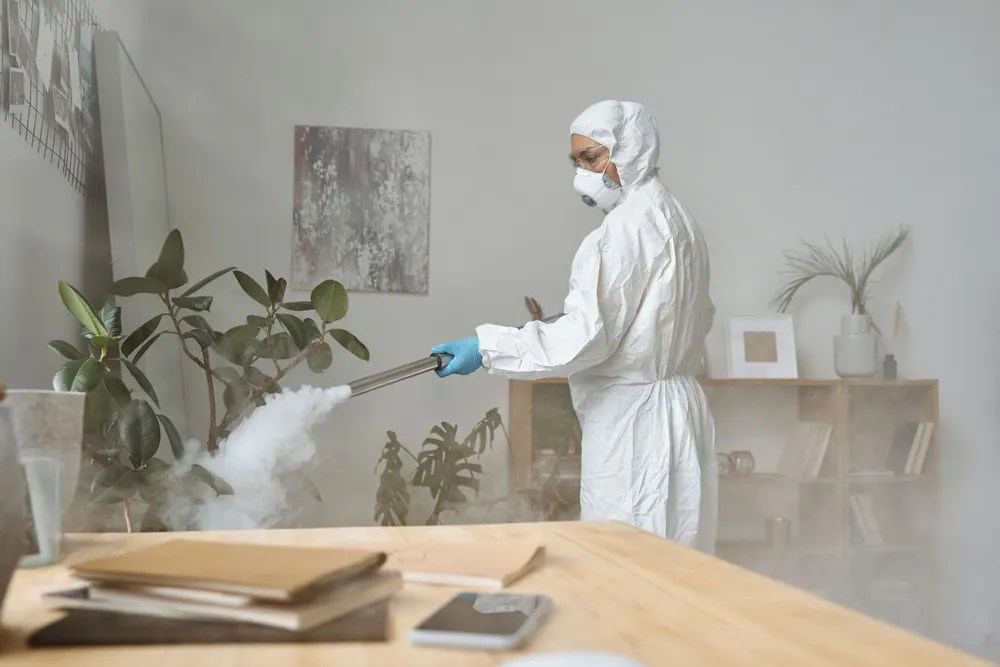
Pest control in Rivonia follows the seasons: flying termites and wasps after the first summer storms, ants and mosquitoes through the wet months, moles pushing up lawns, and roof rats moving indoors when winter nights bite. We inspect, find what's feeding and sheltering the problem, and treat that, for houses, cottages, offices and restaurants alike.
Why Rivonia gets the pests it does
Rivonia is one of Sandton's established northern suburbs. Much of it is large stands with older homes, deep gardens, pools and trees that have had decades to grow, often with a garden cottage or outbuilding at the back. Along and around Rivonia Road there's a different Rivonia: office parks, shopping centres, restaurants and takeaways. Spruits and green belts run through this part of northern Sandton, and they give rodents and mosquitoes room to breed close to homes.
A big garden is a good thing to own and a hard thing to keep pest-free. More lawn means more space for moles and harvester termites. More trees mean more routes onto the roof. More outbuildings mean more quiet corners that nobody checks.
Spring and early summer: termites, wasps and ants
The first heavy rain after winter brings out winged termites. A swarm on the lawn is normal; a swarm coming out of a door frame or skirting board means a colony is working inside the house, and older Rivonia homes with timber floors, trusses and built-in cupboards are exactly what subterranean termites look for. That calls for a proper inspection and, usually, a soil treatment or baiting. Our termite control around Sandton page covers how it's done and the 5-year guarantee with certificate.
Paper wasps start building under eaves, pergolas and pool-pump covers at the same time. A small nest is easy to remove early; a big one by February is a different job, especially near a doorway. Ants follow the humidity and come in along paving and kitchen windows.
Midsummer: mosquitoes, flies and cockroaches
Mosquitoes breed in anything that holds water for a week: pool covers, blocked gutters, bird baths, pot-plant saucers and ornamental ponds. Treating the garden helps, but tipping out standing water every few days does more. In the kitchens along Rivonia Road, German cockroaches and flies are a year-round issue that peaks in the heat, and that's where a scheduled monitoring contract with a service record makes sense.
Autumn and winter: moles and rats
Molehills appear across big Rivonia lawns through the cooler months, as the moles follow earthworms and grubs in damp soil near irrigation lines. Strictly speaking these are often golden moles or mole-rats rather than true moles, and how you deal with them depends on which it is. See our mole control in Sandton gardens for the options.
Once frost arrives, roof rats move from trees, creepers and compost heaps into ceilings, garages and the garden cottage. You'll hear them at night above the bedroom. We place lockable bait stations outside, trap inside the roof and show you where they got in, so the next generation doesn't use the same gap.
How we treat a Rivonia property
Bigger properties need a proper look. We walk the house, roof space, cottage, garage, pool area and the edges of the garden, because on a large stand the source is often a long way from where you noticed the problem. Treatments are odourless and non-staining, and you can stay at home while we work; keep children and pets off treated areas until they're dry.
What people get wrong on big stands
Treating the main house and forgetting the cottage, staff quarters or pool room. Rats and cockroaches simply wait it out in the building you didn't treat and come back once the bait or spray has worn off. Every roofed structure on the stand should be part of the plan.
A Rivonia tip
Keep compost heaps and wood piles well away from the house and off the boundary wall. On large Rivonia stands they're usually placed out of sight at the back, which is exactly where rats, scorpions and termites settle in undisturbed.
What it costs and why
The main cost drivers are the size of the property, the number of buildings on it and the pest. A cockroach or ant treatment in the main house is modest. Rats across a house, cottage and outbuildings take more stations and visits. Termite work depends on how much soil around the building needs treating and how much timber is involved. Each page carries a guide "from" price, and the complete list is on our pest control price guide. We quote after the inspection and will tell you when a problem is small enough to handle yourself.
Rivonia is served by our Sandton pest control team, and we also work in neighbouring Paulshof and its complexes.
Jason van Heerden runs Combat Pest Control, SAPCA registered and registered with the Department of Agriculture, with 25 years of pest control behind the business. Bookings get service within 24 hours, and if a treated pest returns inside three months, so do we. Call 084 200 2700, or WhatsApp us a photo and we'll help you identify it.
Questions we get asked
What does pest control cost on a big Rivonia property?
It depends on the pest and how many buildings are involved. A house with a cottage and outbuildings costs more than the house alone, so we quote after walking the property.
When is the best time to treat for termites?
As soon as you see activity. Flying termites after the first summer rain are the most common warning sign, but mud tubes or hollow timber at any time of year should be checked.
Can you get rid of the moles in my lawn?
We can usually reduce them a lot. The first step is identifying whether it's a golden mole or a mole-rat, because they feed differently and are handled differently.
How soon after the treatment can my dogs go back in the garden?
Once the treated surfaces are dry, usually within an hour or two in good weather. Rat bait stays in locked stations that dogs can't open.
Do you remove wasp nests from under the eaves?
Yes. We treat and remove the nest, and it's much easier and safer when it's small, so call early in summer rather than waiting.
Can my restaurant on Rivonia Road get regular service?
Yes. We set up scheduled visits outside trading hours, with lockable stations and a written record of each visit for health inspections and audits.