
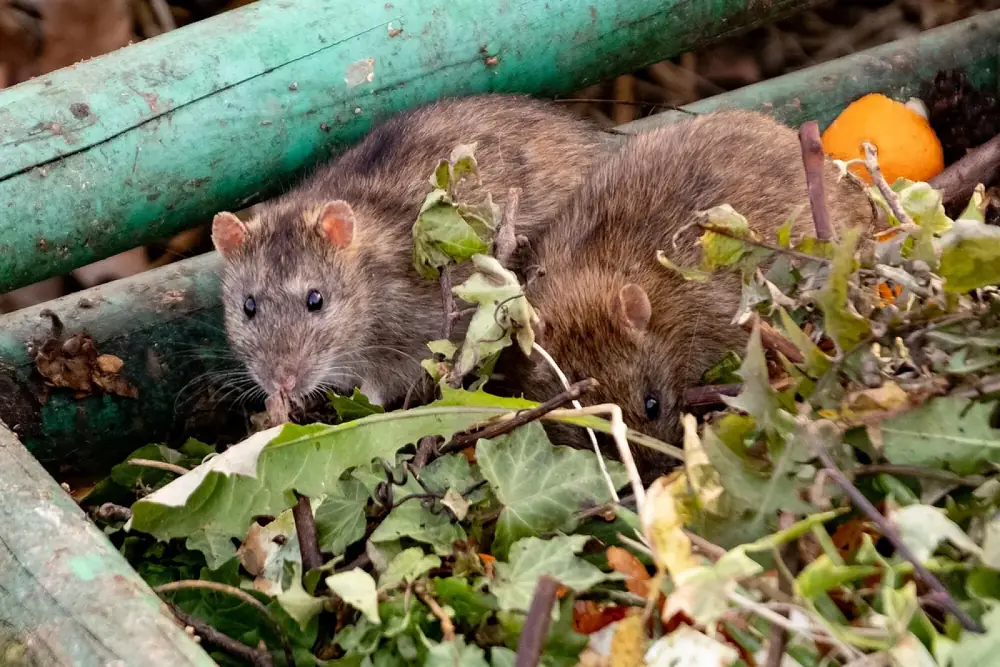
Effective rat control in Sandton comes down to three things: an inspection, secure baiting and closing the gaps rats use. Throwing poison into the ceiling isn't one of them. We find where the rats live and how they get in, bait outside the house and trap inside it.
Sandton has more rat activity than its glass towers suggest, and most of it comes from the same few places: the Braamfontein Spruit and its green belts, the mature trees that link one property to the next, restaurant bins around the CBD, and compost heaps, bird feeders and pet food in big suburban gardens.
Why rats do well in Sandton
Sandton is really three places in one. There's the business district, with hotels, restaurants, shopping centres and basement parking that produce exactly the kind of waste rats live on. There are the established suburbs, from Morningside and Rivonia to Hurlingham and Atholl, where large stands, old trees and thick creepers give rats cover and an easy climb onto the roof. And there are the townhouse complexes in places like Sunninghill and Paulshof, where units share walls and roof spaces, so a rat in one unit soon becomes a rat in three.
The Highveld winter does the rest. When nights drop towards freezing from May, rats that spent summer in gardens and along the spruit move into ceilings, garages and wall cavities. Most of our Sandton rat calls come between late autumn and the end of winter, but restaurants and food stores see activity all year.
Roof rat or brown rat?
The roof rat (black rat) is the climber. It runs along walls, branches, vines and cables and gets into the roof space through gaps under the eaves, which is why you hear it overhead at night. In leafy Sandton suburbs it's the one we deal with most. The brown rat is heavier and digs. It burrows under paving, sheds and compost and comes in at ground level through drains, gaps under doors and holes around pipes. It's the more common problem around commercial kitchens, refuse rooms and basements. Knowing which one you have tells us where to bait and which entry points to look for first.
Signs you have rats
- Scratching or scurrying in the ceiling, mostly after dark
- Droppings about the size of a raisin along walls, in cupboards or in the roof space
- Gnaw marks on cables, irrigation pipes, pool covers, plastic bins or wooden door edges
- Dark greasy smears along the routes they use, often on beams or along the top of walls
- Burrows under paving, at the base of boundary walls or beneath the compost heap
- Dogs barking at the same corner of the garden every night
Not sure whether the noise is rats or something else? Our article on identifying rat activity in your roof explains what to look and listen for.
How we get rid of rats
We start by walking the property, inside and out, to find where the rats are living and how they're getting in. Then we place lockable, tamper-resistant bait stations along the routes they travel, where children, pets and wildlife can't reach the bait. In the roof, and anywhere bait isn't suitable, we use traps instead. Once activity drops, we show you the gaps to close: broken air bricks, holes where pipes and cables enter, gaps under garage doors, and branches touching the roof.
For complexes and estates we prefer to service the whole site rather than one unit at a time, because it's the only approach that really works when roof spaces are shared. Restaurants, hotels and offices can have a scheduled monitoring contract with regular visits and a written record of every station, which is exactly what a health inspector or auditor wants to see.
The mistake that brings rats back
Throwing loose poison into the roof is the one we see most. Rats carry it off and hoard it, some die in a wall cavity where you can't reach them, you live with the smell for weeks, and nothing has been done about the gap they came in through. A few months later a new family moves in through the same hole. Baiting without proofing is only half the job.
A Sandton tip
Cut back any branch that touches or overhangs your roof by at least a metre, and keep creepers off the walls near the eaves. Roof rats use the tree canopy like a highway, and in suburbs as green as Sandton's that single job takes away their easiest way in.
What does rat control cost?
It depends on the size of the property, how many bait stations are needed, whether we're working in the roof, and how many follow-up visits it takes to clear the activity. A single house with a few rats in the ceiling is a straightforward job. A complex, a restaurant or an office building on a monitoring contract is quoted to suit the site. If you've seen one mouse once, a couple of snap traps from the hardware store might be all you need, and we'll tell you so.
Rats rarely arrive alone. If you're also seeing mice, see our mouse control in Sandton, and for cockroaches in the kitchen, Sandton cockroach treatments. Everything we do locally is on our Sandton pest control page. We also deal with rat problems in Bryanston next door, and with rats right across the city through rat control in Johannesburg.
Combat Pest Control is SAPCA registered and registered with the Department of Agriculture, offers service within 24 hours and has 25 years in the trade, and our rat treatments carry a 3-month guarantee. Hearing something in the roof tonight? Call 084 200 2700, or WhatsApp us a photo of the droppings and we'll tell you what you're dealing with.
Questions we get asked
Why do I only hear the rats at night?
Rats are most active after dark, and roof rats travel along the top of walls and through the ceiling space when the house is quiet. That's why the noise starts as you go to bed.
Is rat bait safe if I have dogs or cats?
It's much safer in lockable bait stations. The bait sits inside a box a pet can't open, and we place stations where pets don't normally go.
How long does it take to get rid of rats?
Most houses see a clear drop in activity within one to two weeks. Larger sites, or properties with lots of food and cover nearby, take longer and need follow-up visits.
Can you work in a restaurant or hotel without disrupting service?
Yes. We schedule visits around your trading hours, use lockable stations and traps in food areas, and keep a written record of every station for your audits.
Do you treat whole complexes in Sandton?
Yes, and it's the approach we recommend. Rats move freely between units through shared roofs and gardens, so we work with the body corporate on the whole site.
What attracts rats to my garden?
Food, water and cover. Compost heaps, pet food left outside, fallen fruit, bird seed, wood piles and thick creepers on walls all invite them in.