
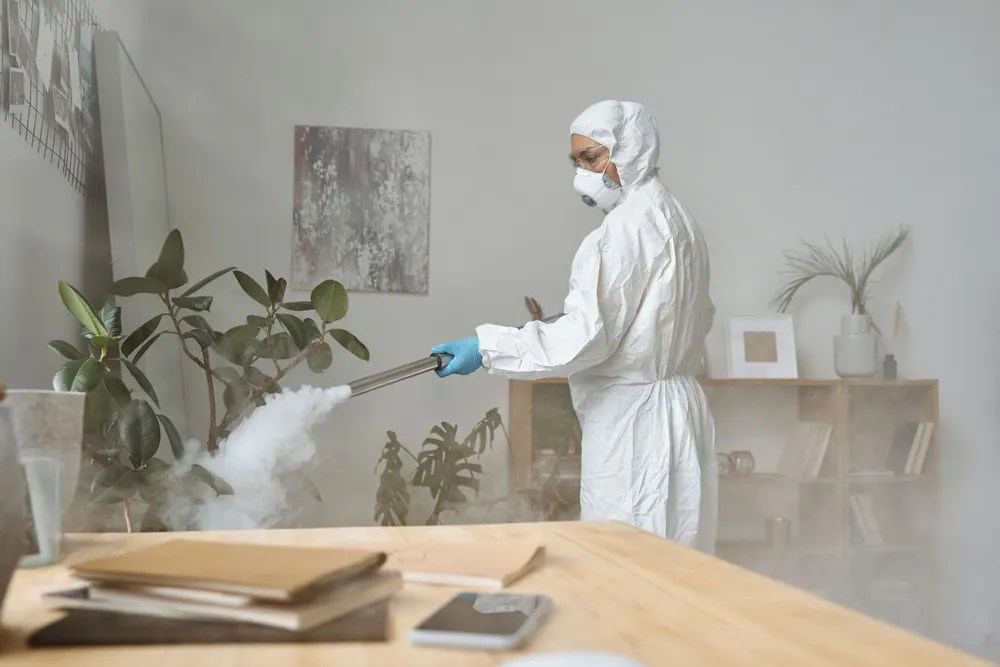
Pest control in Kew is mostly about mixed-use properties. Rats and mice move through workshops, storerooms and warehouses, cockroaches live in staff kitchens and canteens, flies breed around refuse, and pigeons nest on roofs and ledges. We inspect, set up lockable bait stations and gel baiting where needed, and keep records for businesses that need them.
What kind of place Kew is
Kew is a small suburb on the south-eastern side of Sandton, near Bramley, Wynberg and Alexandra. It's a mix: light industry, motor workshops, small factories, warehouses and trade businesses on many stands, with houses and backyard rooms in between. Delivery trucks, storage yards and refuse bins are part of daily life here.
That's an ideal environment for rodents. Warehouses and storerooms offer shelter and food, loading bays and roller doors leave gaps at ground level, and refuse areas feed rats and flies. Homes next to businesses feel the pressure too.
The pests that cause most trouble in Kew
Rats and mice
Brown rats burrow around foundations, under concrete slabs and beside refuse areas, then come inside under roller doors and through drains. Roof rats climb into roof spaces and ceilings. House mice live in storerooms, behind shelving and in offices, chewing packaging and cables. A proper rodent programme means lockable, tamper-resistant stations around the outside of every building, traps inside, and a list of gaps to close. Our rat control in Sandton and surrounds page explains the method.
Cockroaches
German cockroaches settle in staff kitchens, canteens and around vending machines; American cockroaches come up from drains and sumps. Gel baits and drain treatments sort them out without spraying food areas.
Flies
Overflowing bins, food waste and wet refuse areas breed flies quickly in summer, and workers' kitchens attract them. Fixing the source comes first, with targeted treatments to reduce numbers.
Pigeons and bird mites
Warehouse roofs, gutters, signboards and ledges attract pigeons, whose droppings foul stock, block gutters and can carry bird mites into buildings. Spikes, netting and sealing gaps keep them off without harming them. See bird proofing in Johannesburg for options.
Stored product insects
Businesses that store grain, flour, animal feed or similar goods may see beetles and moths in stock. Where an infestation is heavy, fumigation with registered fumigants may be needed, and the sealed area has to stay empty until it's cleared.
Monitoring contracts for businesses
Most Kew businesses are best served by a monitoring contract. We place numbered, lockable bait stations around the property, check and record them on each visit, treat kitchens and problem areas, and leave a written service record. That record is what health inspectors, auditors and clients want to see, and it means problems are picked up before they reach your stock.
For homes in Kew
Homes near businesses get more rodent activity than average. The fix is the same as anywhere: stations outside, traps inside where needed, and sealing gaps under doors, around pipes and in the roof. If your neighbour is a warehouse, a polite conversation about their pest control can help both of you.
How a visit works
We inspect the whole site first: buildings, roof edges, loading areas, refuse, drains and storerooms. Then we explain what we've found and suggest a plan. We can work outside business hours so staff and customers aren't disturbed. Normal insect treatments don't require anyone to leave, though staff should stay off sprayed surfaces until dry; only gas fumigation needs the area cleared. Combat holds SAPCA membership and Act 36 registration with the Department of Agriculture, and our products are approved for commercial premises.
What businesses often get wrong
Many businesses put out bait but leave roller doors that don't close to the ground and gaps where pipes enter the building. Bait kills rats that are there; it doesn't stop new ones walking in. Rubber seals on roller doors and mesh over drain openings are cheap compared with damaged stock.
Signs to watch for on a commercial site
- Chewed cartons, sacks or shrink-wrap low down on pallets
- Droppings behind racking, in desk drawers or around the canteen fridge
- Burrows beside slabs and along the base of boundary walls
- Pigeon droppings building up on ledges, gutters and signboards
- Flies gathering at the refuse area or in the staff kitchen
A Kew tip
Keep pallets, scrap and stock at least half a metre off walls and off the floor where you can. Rats nest in the gap between stacked goods and a wall, and an open gap lets you, and us, see activity straight away.
What it costs and why
Business pricing comes down to how big the site is, how many stations it needs, the visit schedule and the pests on site. A small workshop is a straightforward contract; a warehouse with pigeons and stored product insects takes more. For homes, it depends on the pest and the property. Our pest control guide prices show starting figures, and we quote after a site inspection.
Kew is covered by our Sandton pest control area, and we also have a page for Bramley next door.
Jason van Heerden owns the company, and his 25 years of experience include plenty of busy commercial sites like these. Service within 24 hours is standard, and general treatments carry a 3-month guarantee. Phone 084 200 2700, or send WhatsApp photos of the droppings, damage or birds.
Questions we get asked
What will a monthly service for my Kew workshop cost?
That comes down to how big the site is, how many bait stations it needs and the visit schedule. Our guide prices page shows starting prices, and we quote after inspecting the site.
Do you provide a service record for audits and inspections?
Yes. Every visit comes with a written record of stations checked, activity found and treatments done.
Can you treat outside business hours?
Yes. We schedule visits around your operating hours so staff and customers aren't disturbed.
How do I stop pigeons on my warehouse roof?
Bird proofing with spikes, netting or sealing gaps keeps them off ledges and out of the roof without harming them.
Do staff have to leave during treatment?
Not for normal treatments. Only gas fumigation requires the sealed area to be empty until it's cleared.
What do I do about beetles in stored stock?
Separate affected stock and call us. Light infestations can be treated directly; heavy ones may need fumigation.