
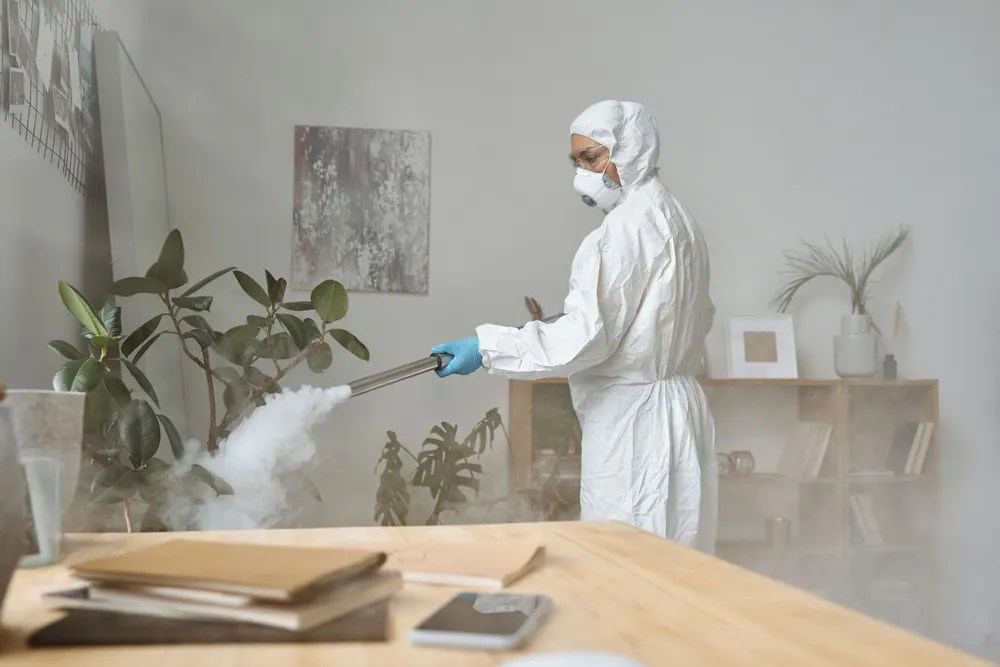
Pest control in Sandhurst is usually about scale: large houses, staff quarters, pool houses and big gardens, each with its own pests. Roof rats, moles, wasps, bees, termites and fleas are the regulars. We inspect the whole property, treat what we find and work discreetly around the household.
What sets Sandhurst apart
Sandhurst is one of Johannesburg's most exclusive suburbs, right next to the Sandton CBD and Hyde Park. Stands are very large, many homes are substantial, and gardens are often professionally kept, with wide lawns, mature trees, water features and pools. Most properties have staff accommodation and several outbuildings, and some have tennis courts, guest cottages and big garages.
All of that gives pests a lot of room. A rat living in the pool-pump house may never come near the main house until winter. A termite colony can work under a lawn for years. A hollow tree can host a bee swarm without anyone noticing until summer. On a property this size, the job is to know where to look.
Inside the house
The main pressure inside comes from roof rats using the tree canopy and creepers to reach the eaves, and from cockroaches in large kitchens, sculleries and laundry rooms where appliances run all day. Fish moths and silverfish show up in libraries, cupboards and stored linen, especially in rooms that are seldom used. For rats we bait outside in lockable stations and trap in the roof; for cockroaches we use gel bait in the places they hide. Our page on rat control in Sandton homes goes into how we find their entry points.
Staff quarters and outbuildings
These deserve as much attention as the main house and often get far less. Bed bugs, cockroaches and fleas in staff rooms are not a reflection on the people living there; they arrive in luggage, furniture and on visiting pets, and they need treating with the same care. We treat those rooms by agreement with the household and the occupants, and explain what needs washing or moving beforehand.
The garden
Moles
Wide, irrigated lawns are prime ground for golden moles and mole-rats. Ridges and heaps appear overnight, often along the irrigation lines where the soil stays soft.
Wasps and bees
Paper wasps nest under eaves, pergolas and gazebo roofs in summer. Bee swarms move into hollow trees, wall cavities, roof spaces and unused braai chimneys. Wasps we treat and remove; bees we refer to or handle with a beekeeper where possible, because a live colony can often be moved rather than destroyed.
Termites
Large, old gardens with tree stumps, buried roots and wood piles feed subterranean termites, and a colony that starts in the garden can eventually reach the house through the foundations. Harvester termites strip patches of lawn in dry winters. Both are treated differently, and both are covered on our termite control across Johannesburg page, including the 5-year guarantee and treatment certificate for structural work.
Fleas and ticks
Several dogs, shady lawns and visiting wildlife make fleas and ticks a regular summer issue. The answer is treating the garden, the dogs' sleeping areas and the dogs themselves (through your vet) at the same time.
How we work on large properties
We arrange the visit with whoever runs the household, inspect every building and the garden, and leave a clear written account of what we found and treated. Treatments are odourless and won't mark floors, rugs or furniture, and nobody needs to leave. For properties that want regular cover, we offer scheduled monitoring with a service record, which also helps when a home is being sold or let and an inspection report is needed.
The mistake we see most
Leaving the garden staff to deal with rats using loose poison from the hardware store. It ends up where dogs, owls and children can reach it, rats die under decks and in wall cavities, and the gaps they use are never closed. Lockable stations and proper proofing are safer for everyone on the property.
A Sandhurst tip
Ask the gardener to keep a metre of clear space between tree branches and the roofline, and to check the creepers on the house every season. On stands with trees this mature, overhanging branches are the main road into the ceiling.
What it costs and why
Large properties cost more to treat, mainly because there's more to inspect and more buildings to cover. The pest matters too: a cockroach treatment in the kitchen is straightforward, while rodent work across several outbuildings or a termite treatment along long foundations takes longer. Each page shows a guide "from" price, and our full pest control prices for Johannesburg explain where each treatment starts. We quote in writing after the inspection.
Sandhurst is part of our Sandton pest control service, and we work regularly in Inanda close by.
Combat Pest Control is run by its owner, Jason van Heerden, who has 25 years in pest control. We're SAPCA registered and registered with the Department of Agriculture, we offer service within 24 hours, and general treatments carry a 3-month guarantee. Call 084 200 2700 or WhatsApp us a photo to arrange a visit.
Questions we get asked
How is pest control priced for a large Sandhurst property?
On the size of the property, the number of buildings and the pest. We inspect first and give a written quote covering the house, staff quarters and outbuildings.
Do you treat staff quarters as well as the main house?
Yes, and we recommend it. Pests left untreated in one building simply move back into the treated ones, so we cover every roofed structure by agreement with the household.
Can you remove a bee swarm without killing the bees?
Often, yes. Where possible we refer the swarm to, or work with, a beekeeper who can move the colony. Wasps are a different matter and are treated and removed.
Are your treatments safe on expensive floors and rugs?
Yes. We use odourless, non-staining products and apply them where pests travel and hide, not across finished surfaces.
How long does a treatment last?
General treatments carry a 3-month guarantee. Termite treatments are guaranteed for 5 years with a certificate, and monitoring contracts keep cover going year-round.
Do we need to be home when you come?
Someone needs to let us in and show us the problem areas, but it doesn't have to be the owner. A housekeeper or estate manager is fine.
What should we do before the visit?
Note where and when you've seen activity, make sure we can reach the roof space and outbuildings, and keep pets indoors while we treat the garden.