
Spider control in Sandton starts with identifying which spiders you have, because most are harmless and some help control other insects. Where spiders are a real risk or nuisance, we treat the eaves, window frames, storerooms and garden structures they use with odourless residual products, and reduce the insects that feed them.
The spiders Sandton homeowners ask about
Sac spiders
Small, pale yellow to greenish spiders that hunt at night and rest in silk sacs in folded curtains, behind pictures and in the corners of ceilings. They're responsible for many of the spider bites people experience in Gauteng homes, often while asleep, and the bites can become slow-healing sores. They're common in Sandton homes surrounded by dense garden planting.
Violin spiders
Brown, long-legged, with a dark violin-shaped mark on the front of the body. They hide in dark, undisturbed places: storerooms, garages, boxes, the back of cupboards and under furniture. Bites are uncommon but can cause serious tissue damage, so any suspected violin spider bite needs a doctor.
Button spiders
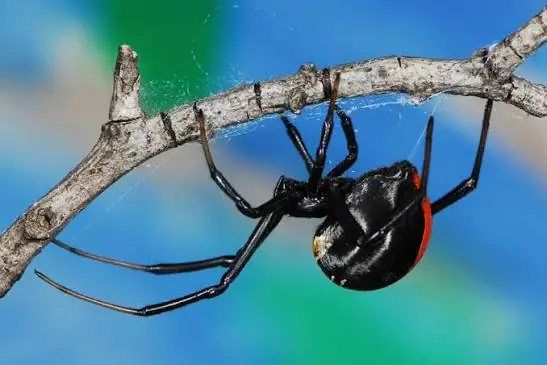
The black button spider and the brown button spider are relatives of the widows. The brown is common around homes, building its untidy web under garden furniture, in pool equipment, behind meter box covers and in outdoor clutter. The black is found more in garden debris and rockeries. Black button spider bites need urgent medical attention.
Rain spiders and others
Large, flat, hairy huntsman spiders that come indoors before summer storms, often startling everyone by appearing on a wall or curtain. They look terrifying and almost never bite. Daddy long-legs spiders in corners and orb weavers in the garden are harmless too.
Why Sandton gardens have so many spiders
Spiders go where their food is. Sandton's established gardens have dense shrubs, creepers on walls, irrigated beds and large trees, all of which support a rich population of insects, and outdoor lights on patios and pool areas draw moths and flies at night, with spiders following. Homes with lots of glass and outside lighting, common in newer Sandton builds, often have heavy webbing around window frames and eaves. Garages and storerooms full of boxes are where the violin and button spiders settle. Complexes see a slightly different pattern: shared walls covered in creepers and communal lights along walkways create long, continuous spider habitat, so treating the eaves and walls of the whole block works better than doing one unit's windows.
How we treat spiders
- Inspection and identification. We look at eaves, window frames, patios, garden furniture, the garage and storerooms, and identify what's living there.
- Web removal and residual treatment. Eaves, window and door frames, garden walls and outbuildings are treated with an odourless, non-staining residual product. Inside, we treat the cracks and corners where sac spiders shelter.
- Reducing the food supply. Fewer flying and crawling insects means fewer spiders, so we advise on lighting and garden clutter and can treat insects where needed.
Normal treatments don't require you to leave home. Children and pets should stay off treated surfaces until they're dry.
What people get wrong
Treating every spider as a threat. Killing rain spiders and garden orb weavers removes some of the best insect control in the garden, while the spiders that actually bite are often the small, unremarkable ones hiding in curtains or boxes. The other mistake is spraying open walls and leaving the clutter in the garage, which is where the violin and button spiders actually live.
A Sandton tip
Swap bright white patio and security lights for warmer, yellow-toned bulbs where you can, and move lights away from doors and windows. White light near the house draws insects at night, and the spiders that hunt them follow straight to your window frames.
What spider control costs, and why
The price depends on the size of the house, how much of the exterior, eaves and outbuildings need treating, and whether the garage and storerooms are cluttered. A townhouse with webbing around the windows is a quick job; a large property with outbuildings and an entertainment area takes longer. This page shows a guide 'from' price, and our Johannesburg pest control price list covers the full range. If it's a single rain spider indoors, a glass and a piece of card will put it back outside at no cost.
Spiders and scorpions
The rockeries, wood piles and stored clutter that suit violin and button spiders often shelter scorpions too, which we cover under scorpion control in Sandton. For the full range of local services, see pest control around Sandton, or read about pest control in Sandhurst, where big gardens and mature trees are the norm. Nearby, we also offer spider control in Bryanston, and the city-wide guide is at spider control across Johannesburg.
Combat Pest Control is SAPCA registered and registered with the Department of Agriculture, with 25 years of experience under Jason van Heerden. We offer service within 24 hours, and spider treatments carry a 3-month guarantee. Call 084 200 2700, or WhatsApp us a photo of the spider and we'll tell you whether it's one to worry about.
Questions we get asked
How much does spider control cost?
It depends on the size of the house, the eaves and outbuildings to be treated and the garage and storerooms. A townhouse is a quick job; large properties with outbuildings take longer. We quote first.
Which spiders in Sandton are dangerous?
The ones to take seriously are sac spiders, violin spiders and button spiders, especially the black button spider. Rain spiders, daddy long-legs and orb weavers are harmless.
What should I do if I'm bitten?
Clean the bite and watch it. If you suspect a violin or button spider, or the bite becomes painful, spreads or doesn't heal, see a doctor. Take a photo of the spider if you can do so safely.
How long does spider treatment last?
A residual treatment on eaves and frames keeps working for weeks, and our treatments carry a 3-month guarantee. New spiders arrive from gardens over time, so some properties benefit from regular treatment.
Is the treatment safe for children and pets?
Yes, used correctly. The products are odourless and non-staining; keep children and pets off treated surfaces until they're dry.
Why do rain spiders come indoors before storms?
They're hunting and seeking shelter as the weather changes. They don't nest indoors and usually leave on their own.