
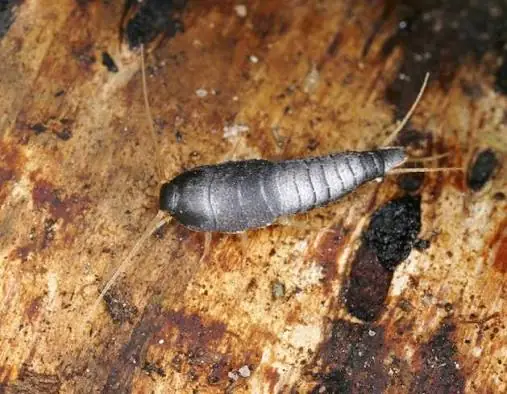
Fish moth control in Johannesburg South means treating the dark, slightly damp places where silverfish hide and breed: built-in cupboards, bookshelves, storerooms, ceilings and boxes of paper. We apply a targeted residual treatment to those cracks and voids and help you fix the conditions that keep them coming back.
Why older southern homes get fish moths
Fish moths, or silverfish, are among the oldest household pests and among the most patient. They live for years, feed on starch, glue, paper, fabric and dust, and need only a quiet, slightly damp hiding place. Many homes in the older southern suburbs, from Regents Park and Kenilworth to Rosettenville and La Rochelle, have exactly that: built-in wooden cupboards against outside walls, bathrooms with limited ventilation, pressed or boarded ceilings, and storerooms or garages full of boxes that haven't been moved in years.
Rising damp in old walls, leaking geysers in the roof and cupboards under basins all raise the moisture just enough. In summer the humidity climbs after storms, and fish moth activity picks up with it.
What fish moths damage
- Books, especially the glue in spines and the edges of pages
- Photographs, certificates and important papers stored in boxes
- Wallpaper and the paper face of ceiling boards
- Cotton, linen and rayon clothing stored for long periods
- Dry foods such as flour, cereal and pasta in open packets
The damage is slow, but it adds up. Irregular holes, scraped surfaces and yellowish stains are the signs. Small, pepper-like droppings and shed silvery scales in drawers are the other giveaways.
Signs you have fish moths
- Quick, silvery insects that dart away when you open a cupboard or switch on the bathroom light
- Fine scratches and irregular holes in paper, book covers and photographs
- Tiny dark droppings and shiny shed scales on shelves and in drawers
- Yellowish marks on stored linen and clothing
Because they hide during the day, many people only see one or two, even when a cupboard holds dozens.
Fish moths or something else?
Fish moths are wingless, carrot-shaped and silver-grey, with three long tails, and they move with a fish-like wriggle. Firebrats look similar but are browner and prefer warmer spots near geysers and stoves. Booklice are much smaller and pale, and also like damp paper. All are treated in a similar way, but booklice point strongly to a damp problem.
How we treat fish moths
We inspect cupboards, shelves, the bathroom, the ceiling hatch area, storerooms and the garage to find where they're living, which is usually anywhere dark, undisturbed and slightly damp. Then we apply an odourless, non-staining residual treatment into cracks, the backs and corners of cupboards, along skirting boards and around pipes, plus a dust treatment into voids such as the roof space and behind built-in units where needed. You don't need to empty every cupboard, but clearing shelves in the worst-affected ones makes the treatment more thorough. You can stay at home; keep children and pets away from treated surfaces until dry.
The mistake that lets them come back
Treating the insects and leaving the conditions. If a cupboard under the basin stays damp from a slow leak, or a box of old papers sits in the garage for another ten years, fish moths will be back. Fix the leak, ventilate the bathroom and replace cardboard boxes with sealed plastic containers, and the treatment lasts far longer.
A tip for older southern homes
Pull built-in cupboards' contents out once a year, especially those on outside walls, and leave the doors open for a sunny day. It dries them out, lets you check for damp patches and disturbs the fish moths' favourite hiding spots. Store important documents and photos in sealed plastic sleeves or boxes, not loose in cardboard.
Businesses, archives and storerooms
Offices, schools, churches and businesses with paper archives are prime fish moth territory. We can treat storerooms and archive areas and include them in a scheduled service, with a record of each visit, so the problem is checked regularly rather than discovered when an important file falls apart.
What fish moth treatment costs, and why
It's usually one of our lighter treatments. The price depends on the size of the house, how many rooms and cupboards need treating, whether the roof space is included and whether there's a storeroom or archive involved. For a few fish moths in one bathroom, fixing the damp and using a shop-bought product may be enough, and we'll tell you if that's the case. Our Johannesburg price guide shows the starting point.
Cockroaches like the same damp corners, so if you're seeing them as well, see cockroach control in Johannesburg South. For older homes nearby, read about pest control in Regents Park, or visit our southern area hub. Elsewhere we treat fish moths in Rosebank's heritage homes, and the wider guide is fish moth control in Johannesburg.
We have 25 years in pest control and are registered with SAPCA and the Department of Agriculture. Service is within 24 hours and fish moth treatments carry a 3-month guarantee. Call 084 200 2700, or WhatsApp us a photo of the insect or the damage.
Questions we get asked
How much does fish moth treatment cost?
It's usually one of our lighter treatments. The price depends on the number of rooms and cupboards, whether we treat the roof space and whether storerooms are included.
Are fish moths harmful?
They don't bite or spread disease, but they damage books, papers, photos, wallpaper and stored clothing, and they contaminate dry food.
Why do I keep getting fish moths?
Usually because of damp. Leaks, poor ventilation in bathrooms and boxes of paper in storerooms give them everything they need. Fix the damp and the treatment lasts much longer.
Do I need to empty all my cupboards?
No. Clearing the shelves of the worst-affected cupboards helps, but we don't need every cupboard emptied.
Will the treatment stain my books or clothes?
No. The products we use are odourless and non-staining, and we apply them into cracks and voids, not onto your belongings.
Can you treat an office archive?
Yes. We treat storerooms and archives and can add them to a scheduled service with a record of each visit.