
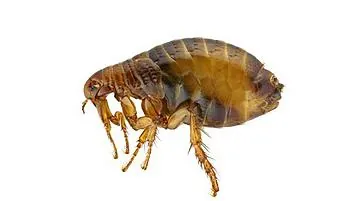
Flea control in Sandton works only when the house, the garden and the pets are treated at the same time. Adult fleas on the dog are a small part of the problem; eggs, larvae and pupae live in carpets, pet beds and shady soil. We treat those areas while your vet handles the animals, so the cycle breaks.
Why fleas do well in Sandton
Most Sandton homes have at least one dog, and many have large, well-shaded gardens with lawns under mature trees. That combination is ideal for the cat flea, which is the species on most dogs and cats here. Flea larvae need shade, moisture and organic matter, and the irrigated soil under hedges, decks and garden furniture gives them all three. Summer heat and rain speed up the life cycle, so a few fleas in spring can become a full infestation by December. In complexes, shared gardens where several dogs walk spread fleas between units, and so do stray cats crossing walls.
How the flea life cycle beats most treatments
Adult fleas spend their lives on the animal, feeding and laying eggs that drop off wherever the pet goes: dog beds, rugs, couches, car seats and the dog's favourite shady spot outside. The eggs hatch into larvae that hide deep in carpet pile and soil, then spin cocoons. Pupae in cocoons resist almost every treatment and can wait for weeks until vibration, warmth and carbon dioxide tell them a host is near. That's why families often come back from a holiday to a house full of hungry fleas: the pupae hatched the moment people walked in.
Signs you have fleas
- Small, itchy bites clustered around the ankles and lower legs
- Pets scratching, biting at their back or losing fur near the tail
- Tiny dark specks in the pet's coat or bed that turn reddish on wet paper; this is flea dirt
- Small dark insects jumping onto socks or white trousers when you walk across a rug or the lawn
How we treat fleas
- Inspection. We find where the pets spend their time, indoors and out, because that's where the eggs and larvae are concentrated.
- Preparation. Before we arrive, you vacuum carpets, rugs and furniture thoroughly, wash the pet bedding hot, and clear floors so we can reach them.
- Indoor treatment. A residual treatment for carpets, rugs, under furniture and along skirting, using odourless, non-staining products.
- Garden treatment. Shady beds, under decks, kennels and the areas where dogs lie are treated as well. Sunny, open lawn rarely needs it.
- Pets and follow-up. Your vet treats the animals on the same day or week. Keep vacuuming daily for two weeks; it encourages pupae to hatch so they meet the treatment.
You don't need to move out. Keep children and pets off treated surfaces until they're dry, and then life carries on as normal.
What people get wrong
Treating only the dog. Flea collars, tablets and drops are essential, but if the house and garden are full of eggs and pupae, the pets are simply reinfested and it looks as if the product failed. The other common mistake is stopping vacuuming after treatment because you expect the fleas to be gone overnight. Seeing a few fleas for a week or two after treatment is normal while the last pupae hatch.
A Sandton tip
Find your dog's favourite hiding place in the garden. In big Sandton gardens it's often a cool patch of soil under a hedge, a deck or a shrub near the boundary wall, and that single spot can hold more flea larvae than the rest of the property combined. Rake the leaf litter out, let in some sun, and make sure it's included in the treatment.
What flea control costs, and why
The cost depends on the size of the house, how much of the garden needs treating, the number of rooms with carpets and rugs, and whether a follow-up is needed. A townhouse with a small garden is a quick job; a large property with several dogs and big shaded beds takes longer. This page shows a guide 'from' price, and our guide prices for pest control explain how the different jobs compare. If you only have one cat and caught it early, a vet-recommended product and daily vacuuming might be enough, and we'll tell you if that's the case.
Dogs that pick up fleas in the garden often pick up ticks too, which is covered by tick control in Sandton. All our local services are on the Sandton pest control page, and there's more on pest control in Hurlingham, where big shaded gardens are common. We also treat flea infestations in Bryanston and across the city via flea control in Johannesburg.
We're SAPCA registered and registered with the Department of Agriculture, Jason van Heerden brings 25 years of experience, and we offer service within 24 hours. Flea treatments carry a 3-month guarantee. Call 084 200 2700, or WhatsApp us and we'll talk you through preparing the house.
Questions we get asked
How much does flea treatment cost?
It depends on the size of the house and garden and how many rooms have carpets or rugs. A townhouse with a small garden is a quick job; large properties with several dogs cost more. We quote before we come out.
Why do I still see fleas after treatment?
Pupae in cocoons resist treatment and keep hatching for a week or two. Keep vacuuming daily so they hatch sooner and meet the treated surfaces.
Is flea treatment safe for my pets?
Yes. Keep pets off treated surfaces until they're dry, then they can return. Treat the animals themselves with a product your vet recommends.
Do you treat the dog as well?
No. Pets should be treated by your vet. We treat the house and garden, where most of the flea population lives, and time it with the vet treatment.
How should I prepare for a flea treatment?
Vacuum all carpets, rugs and furniture, empty the vacuum bag outside, wash pet bedding hot, and clear items off the floors. Mow the lawn a day or two before if you can.
Can fleas live in the garden without pets?
For a while, yes, especially in shady soil. Stray cats and wildlife can also bring them in, which is why empty houses sometimes have fleas when new owners move in.