
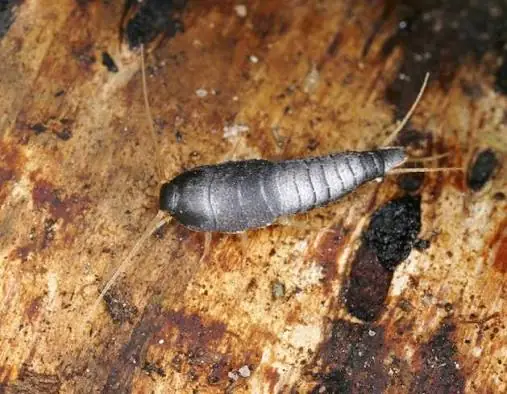
Fish moth control in Fourways deals with the silverfish that feed on paper, glue, starch and fabric in cupboards, boxes and storerooms. We find the dark, undisturbed spots they breed in, treat those areas with an odourless residual product, and help you change the storage habits that let them build up again.
Meet the fish moth
Fish moths, also called silverfish, are small, flat, wingless insects with a silvery, scaly body that tapers to three bristly tails. They move with a quick wriggle, like a fish, and hide the moment a light goes on. They're harmless to people and don't bite, but they eat things you care about: book bindings, paper files, photographs, wallpaper glue, cardboard, and natural fibres such as cotton, linen and silk, especially if the fabric is starched or stained.
They live a long time and breed slowly but steadily. A small group in the back of a cupboard can, over a year or two, become a large population spread through every box in the storeroom.
Why Fourways homes get them
We move a lot of boxes
Fourways is a part of Johannesburg where people move often, between rentals, complexes and estates. Moving means cardboard boxes, and cardboard boxes that have sat in a storage unit, a garage or someone else's storeroom are one of the most common ways fish moths arrive. Once unpacked, the boxes often go straight into the garage, the roof or the top of a cupboard, still full and rarely opened. That's exactly the kind of place fish moths thrive.
Built-in cupboards and closed-up rooms
Many homes and townhouses here have floor-to-ceiling built-in cupboards. The top shelves and the space behind the kickplate are dark, rarely disturbed and gather dust, lint and dead insects. Bathrooms without an opening window, laundries and en-suites stay humid after showers, and fish moths need that humidity.
Paper in the home office
Plenty of people in Fourways work from home or run a small business from a spare room, with archive boxes of files, receipts and records. Office parks have the same issue on a bigger scale in their archive and storerooms. Fish moths happily graze on paper and the glue in folders and binders.
Signs to look for
- Silvery insects in the bath, basin or sink in the morning (they fall in and can't climb out)
- Irregular holes or surface grazing on paper, book covers, wallpaper and photographs
- Yellow marks or small holes in stored clothes and linen
- Tiny pepper-like droppings and shed scales on shelves
- Insects running out when you lift a box in the garage or roof
How we treat fish moths
We start by finding where they're breeding. That usually means checking built-in cupboards, the tops of wardrobes, storerooms, the garage, the roof space and bathrooms, and looking behind kickplates and inside the gaps around plumbing. Then we treat those areas with an odourless, non-staining residual product, worked into cracks, behind skirting boards and into the voids where they hide. Where they've spread into the roof space, we treat that too, because fish moths can drop down through gaps around light fittings and cornices.
In offices and storerooms we treat around shelving and archive areas, scheduling the visit so files don't need to be moved out more than necessary.
You can stay home while we work. Keep pets and children away from treated cupboards and surfaces until they're dry, then put things back.
What most people get wrong
Using mothballs or cedar blocks and hoping for the best. They may deter clothes moths a little, but they do very little against fish moths and do nothing about the colony living behind the cupboard. The other mistake is treating the bedroom cupboards while leaving the garage full of old boxes. The boxes are the reservoir, and the fish moths simply move back in.
Keeping them away
- Swap cardboard boxes for sealed plastic storage containers, especially for books, photos and documents.
- Store linen and clothes clean and dry; fish moths go for stains, sweat and starch.
- Run the extractor fan or open a window after showers, and fix any leaking pipes in cupboards.
- Vacuum inside cupboards, along shelves and behind kickplates a few times a year.
The local tip: when you move into a new Fourways home, unpack the boxes and recycle them within a few weeks instead of storing them in the roof. It removes their favourite habitat before it becomes a problem.
What fish moth treatment costs, and why
What you pay depends on the size of the home, how many cupboards, storerooms and roof areas need treating, and how widespread the infestation is. A few cupboards in a townhouse is a small job; a large home with a full roof space and a garage of stored boxes takes longer, and an office archive is quoted on the site. Our guide to treatment prices shows where it starts. If you've only seen one or two in the bath, better ventilation and sealed storage may solve it without us.
Fish moths often share cupboards with cockroaches, so if you're seeing both, read about cockroach treatment in Fourways. For more on the species, see fish moth control in Johannesburg. We also treat fish moths in Randburg, homes in Douglasdale, and all the suburbs on the Fourways pest control overview.
Combat Pest Control, run by Jason van Heerden, is SAPCA registered and registered with the Department of Agriculture, with 25 years in pest control. We offer service within 24 hours and a 3-month guarantee on the treatment. To book, call 084 200 2700, or send a photo of the insect or the damage on WhatsApp.
Questions we get asked
How much does fish moth treatment cost?
It depends on the size of the home and how many cupboards, storerooms and roof areas need treating. A few cupboards in a townhouse costs much less than a full house with a roof space and garage.
Are fish moths harmful to people?
No. They don't bite or carry disease. The problem is the damage they do to books, papers, photographs and natural fabrics.
Do I need to empty my cupboards for treatment?
Clear the shelves we're treating so we can reach the corners, cracks and back panels. Things can go back once the treatment is dry.
Why do I find fish moths in the bath?
They wander at night looking for moisture, fall into the bath or basin and can't climb the smooth sides. It usually means there's a population nearby, often in a cupboard.
How long does the treatment last?
A residual treatment keeps working for some time, and our 3-month guarantee covers a return visit if they come back. Sealed storage and ventilation make it last much longer.
Can fish moths damage my clothes?
Yes, mostly natural fibres like cotton, linen and silk, especially if starched or stained. Store clothes clean, dry and in sealed containers if they're not worn often.
Do you treat office archives and storerooms?
Yes. We treat around shelving and archive areas and schedule the visit so files and stock don't have to be moved out more than necessary.