
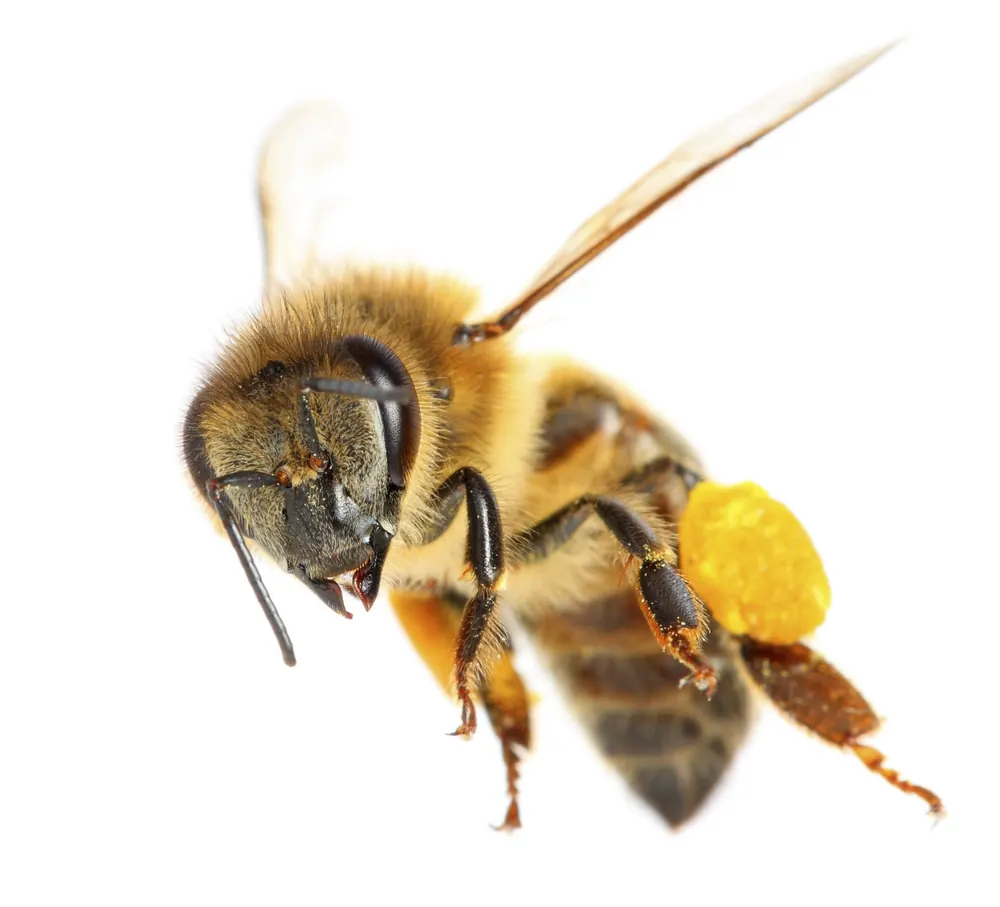
Bee control in Sandton starts with saving the bees where we can. A swarm resting in a tree can usually be collected and relocated with a beekeeper, while an established colony in a wall, roof or meter box needs more work. We assess the situation, keep people safe, and choose the option that protects both your family and the bees.
Swarm or established colony?
The difference decides what happens next.
- A swarm is a cluster of bees hanging from a branch, a wall or a fence, often shaped like a rugby ball. It has left its old colony with a queen and is resting while scouts look for a new home. Swarms are usually calm and may move on within a day or two. This is the best time for a beekeeper to collect them.
- An established colony has moved into a cavity, such as a wall, a roof space, a hollow tree, a water meter box, an irrigation valve box or a compost bin, and started building comb. It grows quickly, defends its entrance, and doesn't leave on its own.
Why bees choose Sandton properties
Sandton's gardens are full of flowering trees, shrubs and lawns, with pools and irrigation for water, so they're good foraging ground. Spring and early summer are swarming season on the Highveld, and scouts look for dry, protected cavities with a small entrance. Older homes with gaps under roof tiles or in eaves, double walls with weep holes, unused chimneys, and the meter and valve boxes in every Sandton garden are ideal. Office buildings and complexes see bees in roof voids, cladding and ventilation openings.
How we handle bees
- Assessment. We confirm they're honeybees and not wasps, judge whether it's a swarm or a colony, and check how close it is to doorways, pools, play areas or neighbours.
- Relocation where possible. Swarms and accessible colonies are referred to or removed with a beekeeper, who takes the bees to a hive.
- Treatment where relocation isn't possible. When a colony is inside an inaccessible cavity, is aggressive, or is next to a school entrance, a busy walkway or someone with a severe sting allergy, a targeted nest treatment may be the only safe option.
- Sealing and comb removal. After a colony is gone, the entrance must be sealed. Comb and honey left in a wall can attract new swarms, melt and stain, and draw other insects, so where possible it's removed first.
What people get wrong
Spraying bees with household insecticide or blocking the entrance hole while the colony is still inside. Spraying enrages the bees and rarely reaches the colony, and a blocked entrance just forces the bees to find another way out, sometimes into the house. Sealing the gap without removing the comb is the other mistake: the old comb smells like a perfect home to the next swarm that comes past.
A Sandton tip
Check the lids on your water meter and irrigation valve boxes in spring. Bees love these dark, dry boxes, and a cracked lid or a missing cover is an open invitation. A sound lid, closed properly, prevents one of the most common colony sites we see in Sandton gardens.
Safety around bees
Keep children and pets away from a swarm or a colony entrance, don't run the lawnmower or a leaf blower nearby, and don't try to move a swarm yourself. Anyone stung who has swelling of the face or throat, difficulty breathing or dizziness needs medical help immediately.
Bees in complexes, offices and schools
In a complex, a colony in a roof or wall is usually a body corporate matter, since the entrance often opens onto a shared walkway or garden. For offices and schools we can schedule the work outside busy hours, when fewer people are around. Where a colony is high on a building and needs scaffolding or a lift to reach, we plan it with the building manager in advance so the area can be cordoned off.
What bee removal costs, and why
A swarm hanging from a branch is the simplest and least expensive situation. Costs rise when a colony is inside a wall, roof space or cavity that needs opening, when it's high up and needs ladders or scaffolding, or when comb needs removing and the entrance sealing. This page shows a guide 'from' price, and our guide prices explain how jobs compare. A swarm that's only been there a few hours may move on by itself; if it's not near people, waiting a day is often worth it.
If the insects are thin and shiny with dangling legs, they're likely wasps; see wasp control in Sandton. All our local services are on our Sandton pest control page, and we also cover Parkmore, where established gardens make swarms a regular spring sight. Nearby, we handle bee problems in Bryanston, and the citywide guide is at bee control across Johannesburg.
Combat Pest Control is owned and run by Jason van Heerden, with 25 years of experience. We're SAPCA registered and registered with the Department of Agriculture, and we offer service within 24 hours. Our general treatments carry a 3-month guarantee. Call 084 200 2700, or WhatsApp us a photo of the bees and where they are.
Questions we get asked
How much does bee removal cost?
A swarm in a tree is the simplest and least expensive job. Colonies inside walls, roofs or meter boxes cost more, especially if the cavity needs opening, comb removing or ladders and scaffolding. We quote after seeing photos or the site.
Do you kill the bees?
Not if we can avoid it. Swarms and accessible colonies are referred to or removed with a beekeeper. Treatment is only used where relocation isn't safe or practical.
Will a swarm leave by itself?
Often, yes, within a day or two, once scouts find a new home. If it's away from people, it's worth waiting a little before calling.
Why do bees keep coming back to the same wall?
Old comb and honey left inside the cavity attract new swarms. The comb needs removing and the entrance sealing to stop it happening again.
Is it safe to be near a swarm?
Swarms are usually calm, but keep children and pets away, avoid mowing or loud machinery nearby, and never spray or throw things at them.
Can bees damage my house?
Yes, over time. Large colonies in walls or ceilings can build heavy comb, honey can leak and stain, and the colony attracts other insects.