
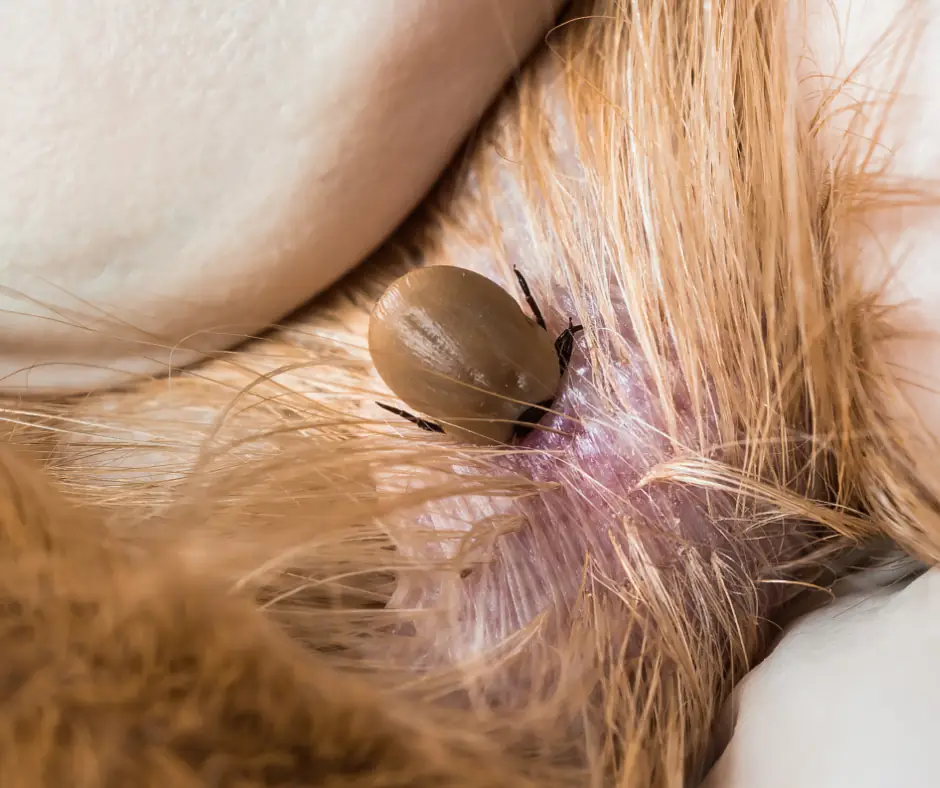
Tick control in Sandton means treating where the ticks breed and wait, not just removing them from your dog. We inspect the garden, kennels, walls and resting areas, work out if the culprits are brown dog ticks or garden ticks, and apply targeted residual treatments to those areas, timed with your vet's treatment of the animals.
Two kinds of tick problem
Brown dog ticks: the ones on your walls
The brown dog tick is unusual because it can complete its whole life cycle around a house. Engorged females drop off the dog, climb walls, fences and kennels, and lay thousands of eggs in cracks, under eaves, behind gutters and even inside the house. That's why people find small ticks crawling up the garage wall or along the skirting boards. Once established, a brown dog tick population can keep reinfesting a well-treated dog for months.
Garden and veld ticks: the ones in the grass
Other tick species wait on long grass and plants for a passing host. In Sandton they're picked up in overgrown corners of large gardens, on the edges of green belts along the Braamfontein Spruit and the Jukskei, on undeveloped stands and in the open land of some estates. Dogs, children and walkers bring them home.
Why ticks matter
For dogs, ticks carry biliary (canine babesiosis), a serious illness that every Highveld dog owner learns to watch for, along with other tick-borne infections. For people, ticks in South Africa can transmit tick bite fever. Any tick on a person or pet should be removed carefully, and anyone who feels ill after a tick bite, or a dog that becomes lethargic or stops eating, needs a doctor or a vet. Our job is reducing the ticks around your home so the risk falls in the first place.
When ticks peak
Ticks are most active in the warm, wet months from spring through summer, but brown dog ticks living in sheltered cracks around kennels and walls can stay active much of the year. A mild autumn often extends the season.
How we treat ticks
- Inspection. We look at kennels, dog beds, walls, gutters, fences, paving cracks and the parts of the garden where the dogs lie or patrol.
- Kennel and wall treatment. For brown dog ticks, a residual treatment goes into the cracks, crevices and wall surfaces where females lay eggs, including the house perimeter where needed.
- Garden treatment. Long grass, shady beds, hedges and the boundary next to open ground are treated to reduce questing ticks.
- Coordination with your vet. Dogs should be on a tick product from the vet at the same time, or they keep carrying ticks back into the treated areas.
- Follow-up. Heavy brown dog tick problems need a second treatment to catch ticks that hatch from eggs laid before the first visit.
You don't need to move out. Keep children and pets off treated surfaces until dry.
The mistake that keeps ticks around
Relying only on the dog's tick product. It's essential, but it doesn't kill the thousands of eggs and young ticks already in the kennel cracks and under the eaves. Some owners also burn or bleach the kennel; ticks shelter deep in the brickwork and cracks around it, so they survive and return.
A Sandton tip
Keep the grass short along the boundary wall that faces a green belt or open stand. That strip is where veld ticks cross into the garden, and mowing it short and keeping it clear of long grass and weeds makes it much harder for them to reach your dogs.
What tick control costs, and why
The price depends on the size of the garden, the number of kennels and outbuildings, how much of the wall and perimeter needs treating and whether a follow-up is needed. A small garden with one dog and an early problem is simple. A large property next to a green belt with several dogs and an established brown dog tick population takes more work. There's a guide 'from' price on this page, and our Johannesburg price guide has more detail. If you've found one tick on the dog after a walk, a vet product and a check after each walk is usually enough.
Fleas and ticks often turn up together, so see our flea treatments in Sandton if you're seeing both. For all our services in the area, visit pest control in Sandton, and the Paulshof pest control page covers one of the northern suburbs. We also handle tick problems in Midrand, where smallholdings and horses add their own pressure, and right across the city through tick control in Johannesburg.
Combat Pest Control has 25 years of experience, the business is owned and run by Jason van Heerden, and we're SAPCA registered and registered with the Department of Agriculture. We offer service within 24 hours and tick treatments carry a 3-month guarantee. Call 084 200 2700, or WhatsApp us a photo of the ticks you're finding.
Questions we get asked
How much does tick control cost?
It depends on the garden size, the number of kennels and outbuildings and how established the ticks are. Small gardens with one dog are simple; large properties next to open ground cost more. We quote first.
Why are there ticks on my walls?
Those are almost always brown dog ticks. Engorged females drop off dogs and climb walls to lay eggs in cracks and under eaves, which is why the walls and kennels need treating.
Is tick treatment safe for my dogs?
Yes, when they're kept off treated surfaces until they're dry. Treat the dogs themselves with a product from your vet at the same time.
How long does a tick treatment last?
A residual treatment keeps working for some weeks, and our treatments carry a 3-month guarantee. Heavy brown dog tick problems need a follow-up visit.
Should I see a doctor after a tick bite?
If you develop a fever, headache, rash or a dark sore at the bite site in the days after a bite, yes. Tick bite fever is treatable but needs a doctor's diagnosis.
Do you treat the dogs?
No. Your vet should treat the animals. We treat the garden, kennels, walls and resting areas, where most ticks spend their lives.