
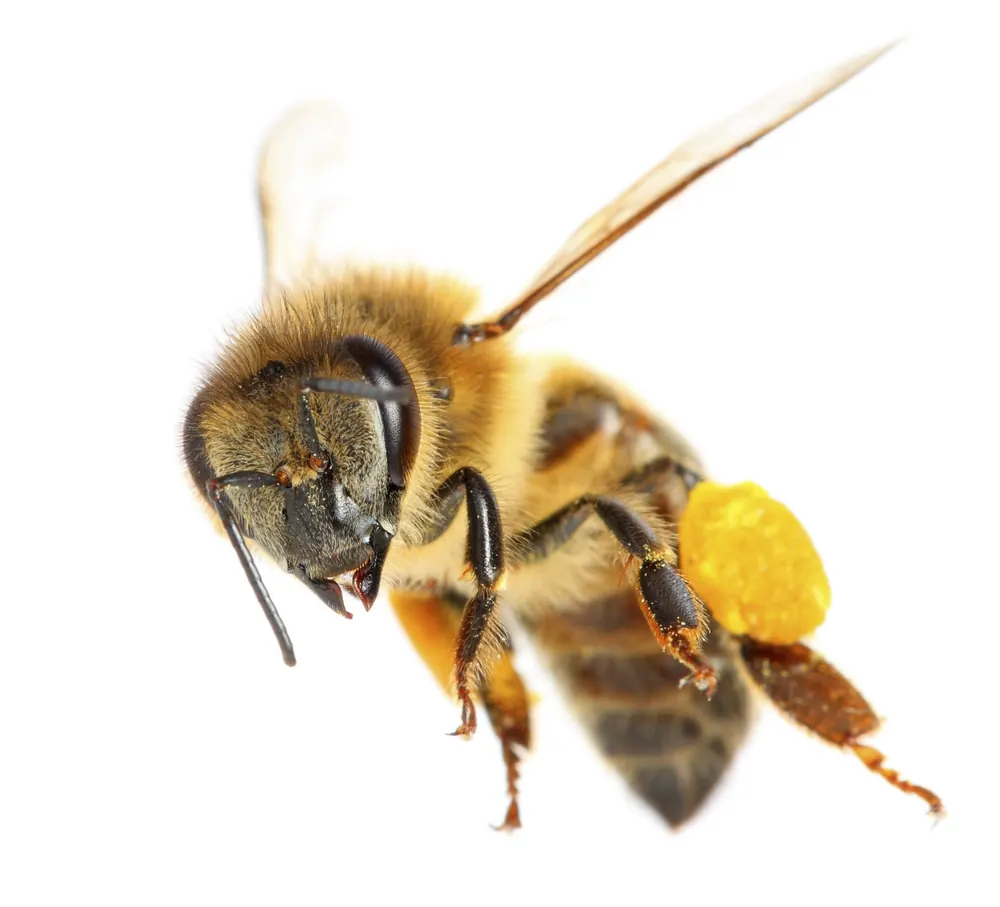
Bee control in Johannesburg South starts with working out whether you have a passing swarm or a hive that has moved in. A swarm on a branch often leaves within a day or two. A colony in a wall, roof or meter box needs action, and where possible we work with a beekeeper to relocate it.
Why bees move into southern homes
Spring and early summer are swarming season. A strong colony splits, and half the bees leave with the old queen to find a new home. While scouts search, the swarm rests in a big cluster, often on a tree branch, a fence or under the eaves. The scouts then look for a dry, sheltered cavity with a small entrance. Southern homes offer plenty: hollow walls in older houses, gaps under roof sheeting, chimneys, meter boxes, irrigation valve boxes, compost bins, old tyres and stacked materials in the yard. The gardens of the south, with their fruit trees, flowering shrubs and nearby veld, give bees plenty of forage once they've settled.
We get the most bee calls from roughly September to December, but colonies that moved in during spring can grow quietly until someone notices honey seeping through a ceiling or a constant stream of bees by the back door.
Swarm or established colony?
A swarm
A dense, hanging cluster of bees on a branch, wall or post, often appearing suddenly. Swarming bees are usually fairly calm because they have no nest or honey to defend. Many swarms move on within a day or two once the scouts find a home. Keep people and pets away, don't spray it or throw water at it, and give it a little time. If it's still there after a couple of days, or it's in a dangerous spot, call us.
An established colony
Bees flying steadily in and out of one opening: a gap in the brickwork, a hole under the eaves, the corner of a meter box. That means they've moved in and are building comb. The longer it's left, the bigger the colony and the more comb and honey there is to deal with.
How we handle bees
Bees play an important part in pollination, so we prefer to see them removed alive where that's practical. Where a colony can be reached and removed safely, we refer it to or work with a beekeeper who can take the bees and relocate them. Where removal isn't possible, for example a colony deep inside a wall or roof in a place where people are at risk, we treat the colony. Either way, the next step matters: the comb and honey should be removed where possible, and the entry hole sealed, or a new swarm will be attracted to the scent the following spring.
Because bees defend their hive, this is a job for protective clothing and experience. Please don't try to open a wall or roof to reach a colony yourself.
Signs bees have moved in
- A constant stream of bees going in and out of one gap, especially in the morning
- A loud humming from inside a wall, ceiling or meter box
- Dark stains or sticky honey seeping through a ceiling or wall
- Bees around the outside light or windows at night, which can happen when a colony is inside a roof
The mistake that makes things dangerous
Spraying a hive with insecticide from a can, or blocking the entrance hole while the bees are inside. Spraying agitates the colony and puts everyone nearby at risk of being stung. Blocking the hole forces the bees to find another way out, often into the house. And sealing a colony in leaves comb and honey to rot inside the wall, attracting other insects and causing stains and smells.
A tip for southern properties
In late winter, before swarming season starts, walk around the property and seal the obvious cavities: gaps under roof sheeting, holes in brickwork, broken air bricks and the gaps in meter boxes and valve covers. Put the lid back on compost bins and don't leave empty boxes or old tyres lying in the yard. A swarm that can't find a cavity simply moves on.
Schools and businesses
A swarm or hive near a school playground, a shop entrance or a busy factory yard needs attention quickly. We can advise on keeping the area clear in the meantime and arrange removal or treatment at a time when fewer people are around. Anyone known to be allergic to bee stings should stay well away.
What bee removal costs, and why
The cost depends on where the colony is, how big it is, whether it can be removed alive, how much comb needs to come out, and whether we need to open up and close a wall, roof or box. A swarm on a low branch is a very different job from a large colony inside a double-storey roof. The guide price is on our pest control prices in Johannesburg page, and we'll explain the options before we start. If it's a swarm resting on a tree, waiting a day or two may cost you nothing.
Not sure if they're bees? Paper wasps build open grey nests under eaves; see wasp nest removal in the south. For local information, see pest control in Southgate and our Johannesburg South pest control overview. We also handle bee problems in Rosebank and bee control across Johannesburg.
Combat Pest Control is SAPCA registered and registered with the Department of Agriculture, with 25 years of experience and service within 24 hours. Treatments carry a 3-month guarantee. Call 084 200 2700, or WhatsApp us a photo or short video of the bees and the entrance they're using.
Questions we get asked
How much does bee removal cost?
It depends on where the colony is, how big it is and whether it can be removed alive. A swarm on a branch is a small job; a colony inside a roof or wall costs more.
Will a swarm leave by itself?
Often, yes. A resting swarm usually moves on within a day or two once scouts find a new home. Keep people and pets away and don't disturb it.
Do you kill bees?
Only when removal isn't practical or people are at real risk. Where possible, we work with a beekeeper so the bees can be relocated.
Why should the comb be removed?
Old comb and honey attract new swarms, rot inside walls and can stain ceilings. Removing it and sealing the gap prevents the problem coming back.
Is it safe to stay home while bees are removed?
Yes, but keep doors and windows closed near the work area, and keep children and pets indoors until we've finished.
What's the first aid for a bee sting?
Scrape the sting out sideways with a fingernail or card, wash the area and use a cold compress. Get medical help at once if there's swelling of the face or difficulty breathing.