
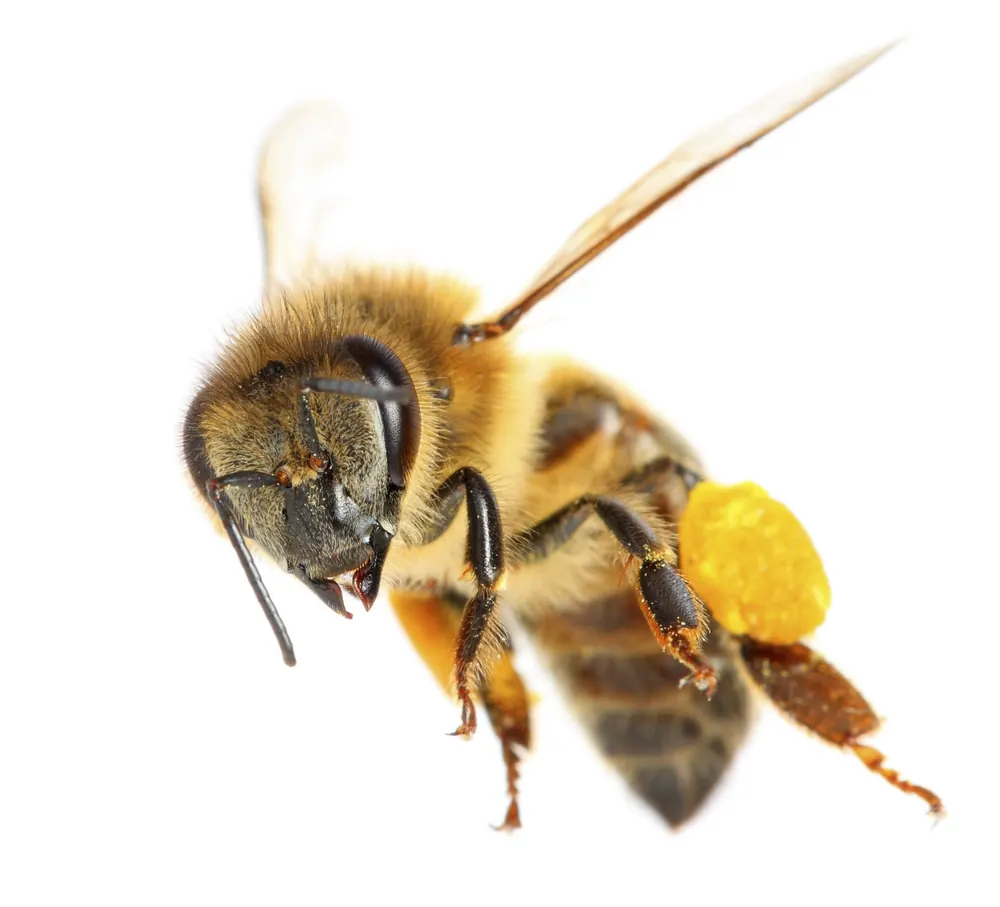
Bee control in Roodepoort means dealing safely with swarms and colonies that have settled where they're a danger, such as roofs, wall cavities, water meter boxes and garden structures. Wherever possible we involve a beekeeper so the bees go to a new home alive; otherwise we deal with the colony and seal the gap.
Swarm or colony: why it matters
A swarm
A swarm is a cluster of bees, often thousands, hanging on a branch, a fence, a wall or a car. They've left their old hive with a queen and are resting while scouts look for a new home. Swarms are usually fairly docile, because they have no hive to defend, and many move on within a day or two. This is the best time for a beekeeper to collect them.
An established colony
Once bees move into a cavity and start building comb, it's a colony. Common spots in Roodepoort homes are roof spaces under the tiles, cavities in walls, the gap behind a fascia board, water meter boxes, old compost bins, garden sheds and hollow trees. A colony defends its hive and can become aggressive if disturbed, especially when someone mows or uses a weed eater nearby. It also builds up honey and wax, which have to be removed properly or they'll attract other bees, ants and rodents and can stain ceilings when they melt.
Why bees settle in Roodepoort homes
Roodepoort's mix of big gardens, flowering trees, veld and the green spaces around the ridges and the botanical garden supports a lot of bees. In spring, from about September, colonies split and swarms go looking for new sites. A dry, sheltered roof cavity or a meter box with a gap in the lid looks exactly like a good hollow tree to a scout bee. Older homes with gaps under the roof tiles, broken air bricks or loose fascias are especially attractive.
How we handle bees
- Assessment. We confirm they're honeybees (not wasps), work out whether it's a swarm or an established colony, and find the entry point and how far into the structure the comb goes.
- Removal with a beekeeper where possible. Swarms and accessible colonies are best removed alive. We refer you to, or work alongside, a beekeeper so the bees can be rehomed.
- Treatment where removal isn't possible. If a colony is deep inside a wall or roof, is a danger to people, or can't be safely removed alive, we treat it.
- Sealing up. We advise on removing the comb and honey and sealing the entry point. Leaving an old hive cavity open just invites the next swarm.
Keep children and pets indoors while we work. If someone is stung and has trouble breathing, swelling of the face or throat, or feels faint, get emergency medical help.
The common mistake
Spraying a colony in the roof with insect spray, or blocking the entrance while bees are still inside. Blocked bees find another way out, often into the house through a light fitting or ceiling vent. Partly killed colonies leave comb and honey that rot, melt and stain the ceiling, and attract other pests. Call us before you do anything to an established colony.
A Roodepoort tip
Check your water meter box and any irrigation valve boxes in spring. A loose or cracked lid is one of the most common places bees set up home in Roodepoort gardens, and a well-fitting lid costs very little compared with removing a colony later.
Bees or wasps?
Bees are rounder and hairier, and they carry pollen. Wasps are slender and shiny with a narrow waist, and build grey paper nests. If you've got wasps, our page on wasp nest removal in Roodepoort explains what we do.
What bee removal costs, and why
The cost depends on whether it's a swarm or an established colony, where it is, how high and how far into the structure the comb goes, and whether roof tiles, fascias or boards need to be opened. A swarm on a low branch is very different from a large colony inside a wall. Sometimes a swarm will leave by itself within a day or two, and it's worth waiting, which we'll tell you. There is a starting "from" price on this page, and our pest control price page lists the rest.
Nearby
Ridge-side homes and offices have their own pest control in Constantia Kloof page. North-east of here we handle bee swarms in Randburg, and city-wide on bee control in Johannesburg. Our overview of Roodepoort pest control lists everything else.
Jason van Heerden, the owner and operator of Combat Pest Control, has 25 years in pest control and knows when a beekeeper is the better option. We're SAPCA registered and registered under Act 36 of 1947 with the Department of Agriculture, and we offer service within 24 hours. Ring 084 200 2700, or WhatsApp a photo of the bees and where they're going in, so we can tell you whether it's a swarm or a colony.
Questions we get asked
How much does bee removal cost?
It depends on whether it's a swarm or an established colony, how high and deep it is, and whether tiles or boards need opening. A swarm on a branch costs much less than a colony inside a wall.
Do you kill the bees?
Only when there's no safe alternative. Wherever possible we refer the job to, or work with, a beekeeper so the bees can be removed alive.
Will a swarm leave by itself?
Often, yes, within a day or two, once the scouts find a new home. Keep people and pets away and call us if it hasn't moved or starts building comb.
Why do bees keep coming back to my roof?
An old hive cavity with comb and honey left inside, and an open entry point, attracts new swarms. Removing the comb and sealing the gap stops it.
Are bees in my wall dangerous?
They can be if disturbed, especially near mowing or building work. A colony defends its hive, so keep away from the entrance until it's dealt with.
What should I do while I wait for you?
Keep children and pets indoors, don't spray or block the entrance, and avoid mowing or using power tools near the bees.