
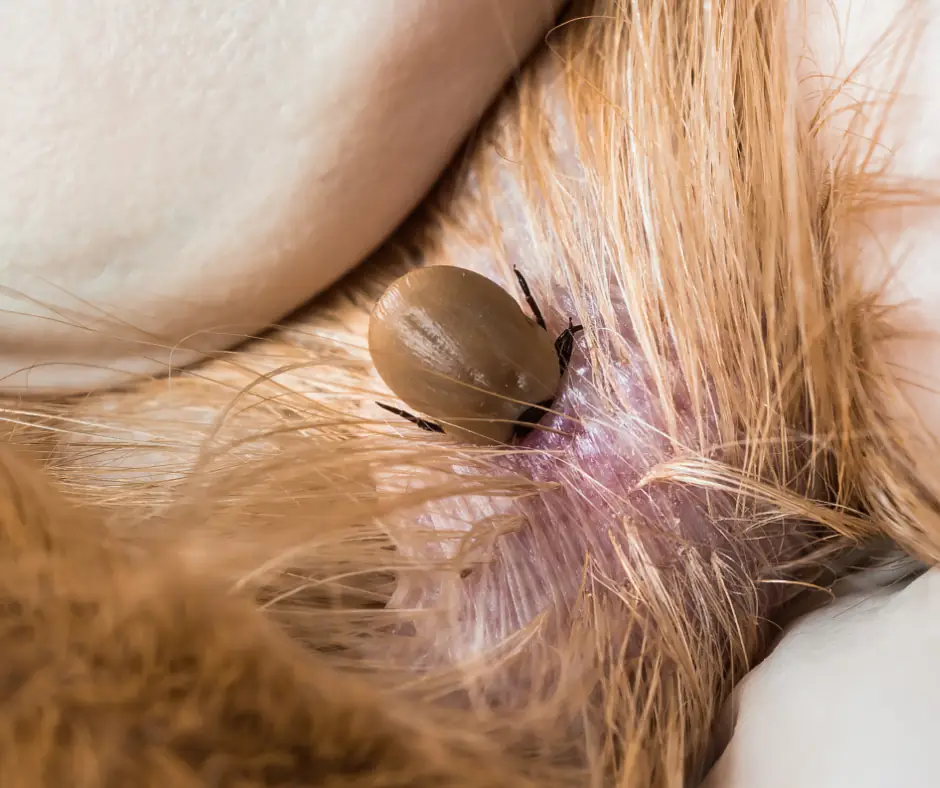
Tick control in Bryanston means treating where ticks breed and wait, not only the dog. We inspect kennels, sleeping spots, walls, paving cracks and the garden, apply a residual treatment to those areas, and work alongside your vet's tick product for your animals. That combination breaks the cycle and stops the dogs being reinfested every day.
Why ticks are a Bryanston problem
Ticks need a host, cover and humidity. Bryanston has plenty of dogs, large gardens with long grass edges, hedges, shaded beds and leaf litter, and often more than one animal sleeping outside or on a covered patio. Wildlife and stray animals moving between big, leafy properties also carry ticks from one garden to the next. Summer is the main season, but ticks are active for much of the year on the Highveld.
In a dog-friendly suburb the bigger issue is that some ticks don't stay in the grass. The brown dog tick can complete its entire life cycle around a kennel or even inside the house, which makes it a genuine structural pest rather than a garden nuisance.
The ticks we deal with
Brown dog tick
Small, reddish-brown and flat when unfed, swelling to a grey bean when full. After feeding, females drop off and crawl upwards to lay large numbers of eggs in sheltered cracks: under kennel roofs, in wall crevices, behind skirting boards, under door frames and between paving. If you see ticks climbing walls or around window frames, it is almost always this one.
Garden ticks
Other species wait in long grass and on low shrubs for a dog, or occasionally a person, to brush past. They are more seasonal and are controlled mainly by managing the garden and treating the pet.
Why ticks matter for your dogs
In South Africa, ticks are best known for spreading biliary, a serious blood infection in dogs. A dog that becomes lethargic, stops eating, or has pale gums or dark urine needs a vet urgently. Keeping the tick population down around the house is one of the best ways to reduce that risk, along with a regular tick product from your vet.
How we treat ticks
- Inspection. We check kennels, bedding, the places the dogs lie, walls, paving joints, door and window frames, and long grass at the garden edges.
- Kennel and structure treatment. An odourless, non-staining residual product goes into cracks, crevices, kennel joints, wall bases and other sheltered places where brown dog ticks lay eggs.
- Garden treatment. We treat the lawn edges, under shrubs and hedges and the dogs' favourite spots.
- Pet treatment. Your vet treats or advises on the animals, ideally on the same day.
- Follow-up. Heavy brown dog tick infestations usually need a second treatment to catch ticks that hatch from protected eggs.
Keep pets and children off treated areas until they are dry. Bedding should be washed hot or replaced.
Signs you have a tick problem, not just a tick
- Ticks found on the dogs every day, despite a tick product
- Small ticks crawling on kennel walls, patio walls, window frames or skirting boards
- Clusters of tiny larval ticks, sometimes called pepper ticks, on the dog's face and ears
- Ticks on people after sitting on the lawn or working in the beds
Ticks will also bite people, so after a session in the long grass at the edge of a big garden, check ankles, the backs of knees and the waistband, and remove any tick with fine tweezers close to the skin.
What people commonly get wrong
Pulling ticks off the dog and throwing them on the ground or into the bin. A fed female can still lay eggs. Drop removed ticks into a jar of surgical spirit instead. The second mistake is assuming the dog's tick collar or tablet has solved it while the kennel is full of eggs; the dog may be protected, but the yard is still producing ticks.
A Bryanston tip
If your dogs sleep in a wooden kennel, lift it once a month and check underneath and in the roof joints. Brown dog ticks love the dark gap between the kennel floor and the paving. On big properties, moving the kennel onto a raised, smooth concrete slab makes it far harder for them to breed.
What tick control costs, and why
The quote depends on how many kennels and sleeping areas there are, the size of the garden, whether ticks have moved into the house and how many follow-up visits are required. A single kennel and a small yard is a short job. A large garden with several dogs, outbuildings and ticks on the walls inside takes longer. There is a guide "from" price on this page, and our pest control cost guide lists the rest. If you have found one tick on the dog and none around the house, a good vet product may be enough.
Ticks and fleas usually arrive together; our Bryanston flea treatments can be done on the same visit. We also deal with ticks in Fourways estates, gardens in Magaliessig, and homes city-wide through tick control in Johannesburg. See our Bryanston area page for other local pests.
Combat Pest Control has 25 years of experience and is SAPCA registered and registered with the Department of Agriculture. Owner Jason van Heerden handles the work, with service within 24 hours and a 3-month guarantee on tick treatments. Call 084 200 2700, or WhatsApp us a photo of the tick.
Questions we get asked
How much does tick control cost?
It depends on the number of kennels, the size of the garden and whether ticks are inside the house. A single kennel area is a small job; a big property with several dogs and ticks on the walls takes longer.
Why are ticks climbing my walls?
Fed brown dog tick females drop off the dog and climb upwards to lay eggs in sheltered cracks. Ticks on walls and window frames are a sign they are breeding around the house.
Is the treatment safe for my dogs?
Yes, once it has dried. Keep your dogs and children off treated areas until surfaces are dry, and ask your vet about the right tick product for the animals themselves.
Do you treat the dog as well?
No, we treat the property. Your vet should treat or advise on your animals, ideally on the same day, so the dogs and the yard are protected together.
How long does a tick treatment last?
A residual treatment keeps working for several weeks, and our treatments carry a 3-month guarantee. Heavy infestations usually need a follow-up visit.
What are the signs of biliary in dogs?
Lethargy, loss of appetite, pale gums and dark urine. If your dog shows any of these after tick exposure, see a vet immediately.