
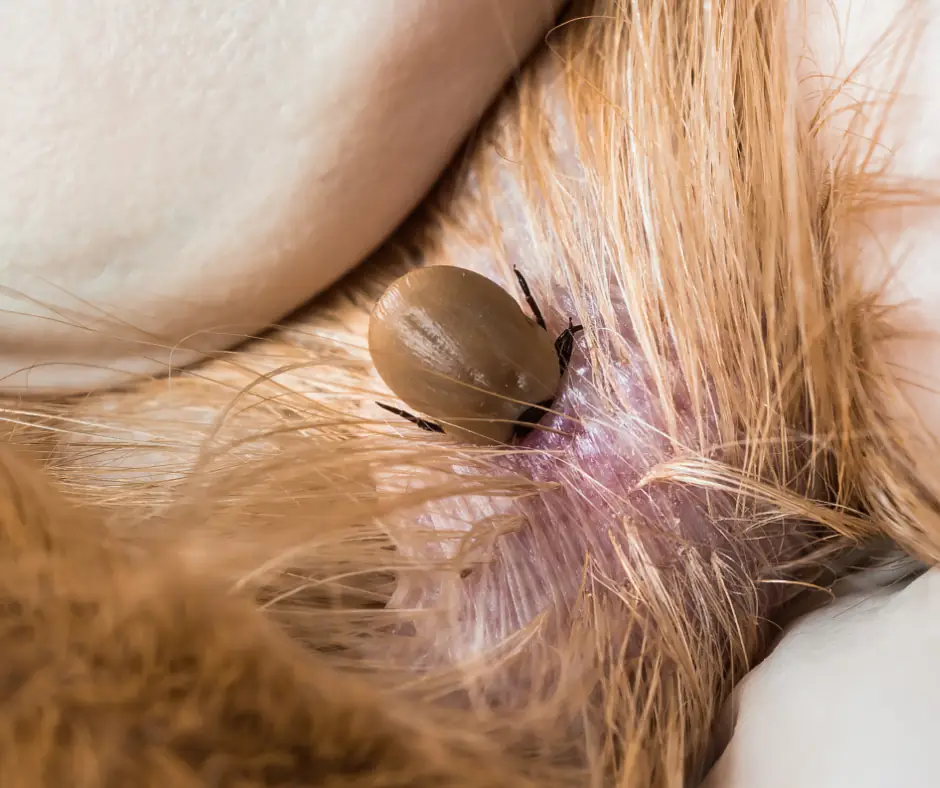
Tick control in Johannesburg South deals with two sources: brown dog ticks that breed in kennels, walls and around the house, and ticks picked up in the long grass of the veld and nature areas nearby. We treat the yard, kennels and cracks where ticks hide while your vet treats the dogs, breaking the cycle on both fronts.
Why ticks are a southern problem
The south has more open grassland on its doorstep than most of Johannesburg. The Klipriviersberg Nature Reserve, the Klip River and patches of veld between the suburbs are popular for walking dogs, and long grass is exactly where ticks wait for a passing animal. A walk on a summer morning can bring several ticks home on a dog's legs, ears and belly.
The other source is closer to home. The brown dog tick is unusual in that it can complete its whole life cycle around buildings. Once established, it lays eggs in cracks in walls, under kennel floors, behind wooden fences and under the edges of paving, and a single property can host thousands. That's why some households see ticks climbing walls and window frames, and even in the house, without their dogs ever leaving the yard.
Why ticks matter
Ticks carry diseases that affect dogs, and tick bite fever is a known risk for people too. A heavy infestation is miserable for pets, and ticks crawling indoors are understandably distressing for the family. The aim is not just to kill the ticks you see but to take away the places they breed.
Signs of a tick infestation
- Ticks on your dog's ears, between the toes, under the collar and around the tail, again and again despite treatment
- Ticks crawling up outside walls, garage doors and the inside of the kennel
- Small brown ticks found indoors on floors, curtains and skirting boards
- Clusters of tiny larvae, sometimes called seed ticks, on walls or on the dog
How we treat ticks
We start by looking at where your dogs spend their time: kennels, sleeping spots, the side of the house where they lie in the shade, walls they lean against and the gaps around wooden structures. Brown dog ticks hide in cracks and crevices close to those spots, often climbing up walls to lay eggs in gaps under the eaves or around window frames.
Then we apply a residual treatment to those areas: kennels inside and out, wall bases and cracks, fence lines, paving edges and the shady parts of the lawn. For a heavy brown dog tick problem, a follow-up treatment is usually needed, because eggs hatch over several weeks. Inside the house, if ticks have come in, we treat skirting boards, cracks and pet bedding areas.
We don't treat the animals themselves. Your vet's tick product should go on the dogs on the same day, so treated dogs return to a treated yard.
Big yards, kennels and outbuildings
Properties with several dogs, a row of kennels or outbuildings, and large stands that border open veld carry the heaviest tick loads we see. Wooden kennels and timber fences are the hardest to keep clear, because the ticks squeeze into the joints and under the floor. Where possible, raise kennels off the ground, choose ones that can be hosed out, and fill cracks in nearby walls and paving. On a big property we may suggest a treatment programme over the warmer months rather than a single visit.
The common mistake
Treating the dogs again and again and nothing else. If brown dog ticks are breeding in the kennel and the walls, the dogs are re-infested the moment the product wears off. The opposite mistake happens too: spraying the yard and forgetting the dogs, which lets ticks on the animals keep the cycle going. Both have to be done together.
A tip for dog walkers in the south
After a walk in the reserve or the veld, check your dogs before they come inside or get into the car: ears, armpits, between the toes and under the collar. Pulling off a tick before it's attached and fed takes seconds, and it stops a veld tick from turning into a yard problem.
What tick treatment costs, and why
It depends on the size of the yard, the number of kennels and outbuildings, how far the ticks have spread around the walls and into the house, and whether a follow-up visit is needed. A small yard with a light infestation is a short job; a large property with several dogs and established brown dog ticks needs more. Guide prices are listed on our what pest control costs page, and we'll be clear about what's needed after we've seen it.
Dogs that carry ticks usually carry fleas too, so read about fleas in Johannesburg South as well. For local information, see Mondeor pest control, close to the reserve, and our pest control page for the south. We also handle tick problems in Soweto and tick control throughout Johannesburg.
Combat Pest Control, run by Jason van Heerden with 25 years of experience, is SAPCA registered and registered with the Department of Agriculture. Expect service within 24 hours and a 3-month guarantee on our tick treatments. Call 084 200 2700, or WhatsApp us a photo of the ticks.
Questions we get asked
How much does tick control cost?
It depends on the size of the yard, the number of kennels and outbuildings, and whether ticks have reached the house. A small yard is quick; established brown dog ticks need a follow-up.
Why do I find ticks on my walls?
That's the brown dog tick. It climbs walls to lay eggs in cracks, under eaves and around window frames, and can breed entirely around your house.
Can ticks make my family ill?
They can. Tick bite fever is a known risk in South Africa. If you get a bite with a black scab and feel unwell, see a doctor.
Do you treat my dogs?
No. Your dogs should be treated with a vet's tick product on the same day as we treat the yard, so they come back to a treated environment.
Is the yard treatment safe for my pets?
Yes, once it's dry. Keep the dogs off treated areas until the surfaces have dried, then they can return.
Do I need a follow-up visit?
For a heavy brown dog tick infestation, usually yes. Eggs hatch over several weeks, and a second treatment catches them.