
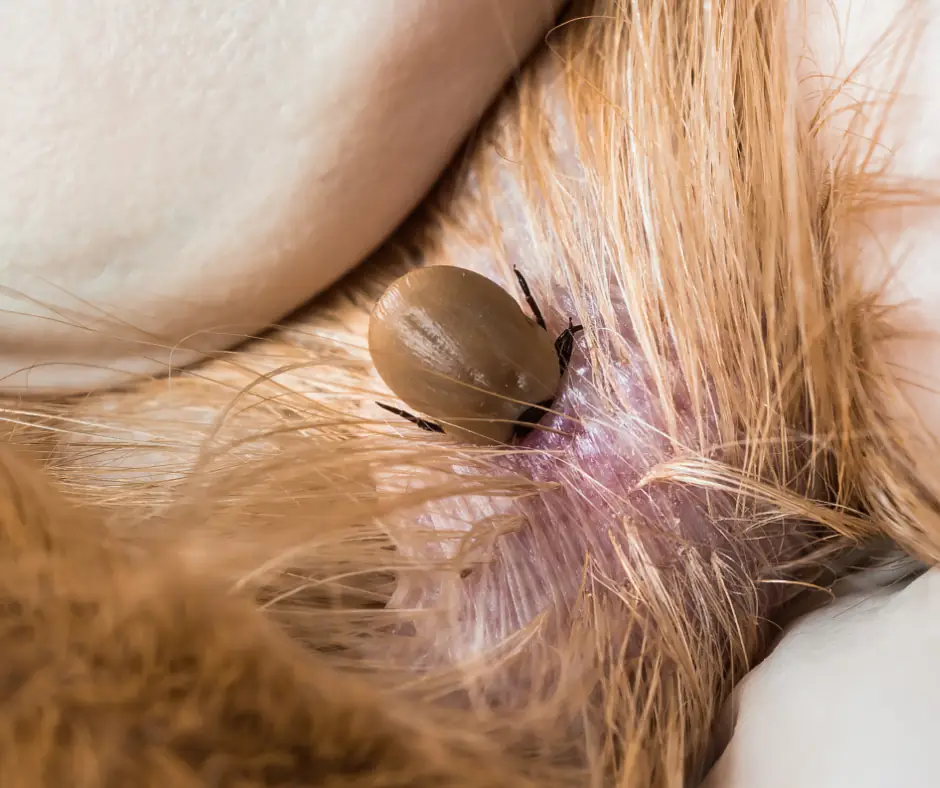
Tick control in Randburg focuses on the garden, kennels and dog runs where ticks wait for a host and lay their eggs. We treat lawn edges, long grass, walls, kennels and the spots your dogs rest, while you keep the dogs on a tick product from your vet. Together that breaks the cycle on your property.
Two different tick problems
Ticks picked up on walks
Randburg has parks, green belts, spruit banks and patches of open veld where dogs are walked every day. Ticks climb grass stems and wait for a passing animal. In this case your garden may be fine; the dog brings them home. A good vet product for the dog and a quick check after each walk is the main defence.
Ticks breeding at home
This is the problem that brings people to us. If you're finding ticks climbing walls, under window sills, in cracks in the kennel or along the edge of the paving, they're completing their life cycle on your property. The brown dog tick is the usual one: unlike most ticks, it's quite happy to live and breed around kennels, in boundary walls and even indoors. A female drops off the dog, crawls into a crack and lays thousands of eggs. One untreated corner of the yard can supply a steady flow of ticks for months.
When ticks are worst
Activity rises with the warmth and rain of spring and summer and tapers off in the cold, dry Highveld winter. But the brown dog tick, sheltered in walls and kennels, can stay active much of the year, especially on north-facing walls that soak up the winter sun.
Why ticks matter
For dogs, ticks are more than a nuisance. They can carry tick-borne diseases such as biliary, which is a serious illness for dogs and needs a vet straight away. If your dog becomes lethargic, stops eating or has pale gums after tick exposure, take it to the vet, don't wait for us. Ticks can also bite people, so it's worth checking children after they've played in long grass.
How we treat ticks
- Inspection of the garden, kennels, dog runs, boundary walls, paving joints and the areas where dogs rest, to find where ticks are sheltering and breeding.
- Targeted residual treatment of those areas: cracks and crevices in walls and kennels, lawn edges, long grass, under shrubs and decks.
- Indoor spots where brown dog ticks have moved in, such as skirting and around pet beds, when needed.
- Advice on the dogs: keep them on a vet tick product so new ticks die before they breed. We don't treat the animals ourselves.
- Follow-up for heavy infestations, because eggs laid deep in cracks can hatch after the first visit.
The mistake that keeps ticks going
Treating the dog and ignoring the yard, or treating the yard and not the dog. Either one leaves half the population in place. Another is pulling ticks off by squeezing the body, which can leave mouthparts in the skin; use fine tweezers close to the skin, or a tick remover, and pull steadily.
A Randburg tip
Fill the cracks. Brown dog ticks love the gaps in old face-brick boundary walls, the joint where a kennel sits on the paving and the space under a loose step. Once the yard is treated, filling those cracks with mortar or sealant takes away their nurseries, and many older Randburg properties have plenty of them.
Complexes and kennels
In pet-friendly townhouse complexes, one unit with a tick problem can spread it through the shared gardens. We can treat common areas for the body corporate as well as individual gardens. Breeders, dog walkers and boarding kennels can arrange regular scheduled treatments with a service record.
What tick control costs, and why
The price depends on the size of the garden, how many kennels and outbuildings there are, how heavy the infestation is and whether indoor treatment is needed. A small townhouse garden is a quick job; a large property with dog runs and long grass takes longer and may need a follow-up. We use the guide "from" price shown here and on our price list, then confirm after the inspection. If the ticks are only coming home from walks, the vet product is where your money is best spent.
Ticks and fleas often travel together, so it's worth reading about fleas in Randburg homes. Our tick control across Johannesburg page has more on species, and we treat ticks in Northcliff gardens on the ridge to the south. If you're in Jukskei Park, there's a local page, and the full local service list is on our Randburg hub.
Owner Jason van Heerden has spent 25 years in pest control, and Combat Pest Control is registered with SAPCA and with the Department of Agriculture. We offer service within 24 hours and a 3-month guarantee on tick treatments. Call 084 200 2700, or WhatsApp us a photo of the tick and where you found it.
Questions we get asked
How much does it cost to treat a garden for ticks?
It depends on the size of the garden, the number of kennels and outbuildings, and how heavy the infestation is. A small townhouse garden costs much less than a large property with dog runs and long grass. We confirm after seeing it.
Is the treatment safe for my dogs?
Yes, once it has dried. Keep the dogs off treated areas until then, which is usually a few hours. We'll show you where we've treated.
Why are ticks climbing my walls?
That's typical of the brown dog tick. Females drop off the dog, climb into cracks in walls and kennels and lay eggs there. It means they're breeding on your property and the yard needs treatment.
Will treating the garden protect my dog from biliary?
It reduces the number of ticks on your property, but it isn't a substitute for a vet tick product. Keep your dog on one, and see a vet quickly if it seems unwell.
How long does a tick treatment last?
A thorough treatment combined with treating the dogs usually clears a breeding population. It carries a 3-month guarantee, and filling cracks in walls and kennels helps keep them away.
Do ticks live indoors?
Brown dog ticks can, around skirting, pet beds and furniture where dogs sleep. If you're finding them inside, tell us and we'll treat those areas too.