
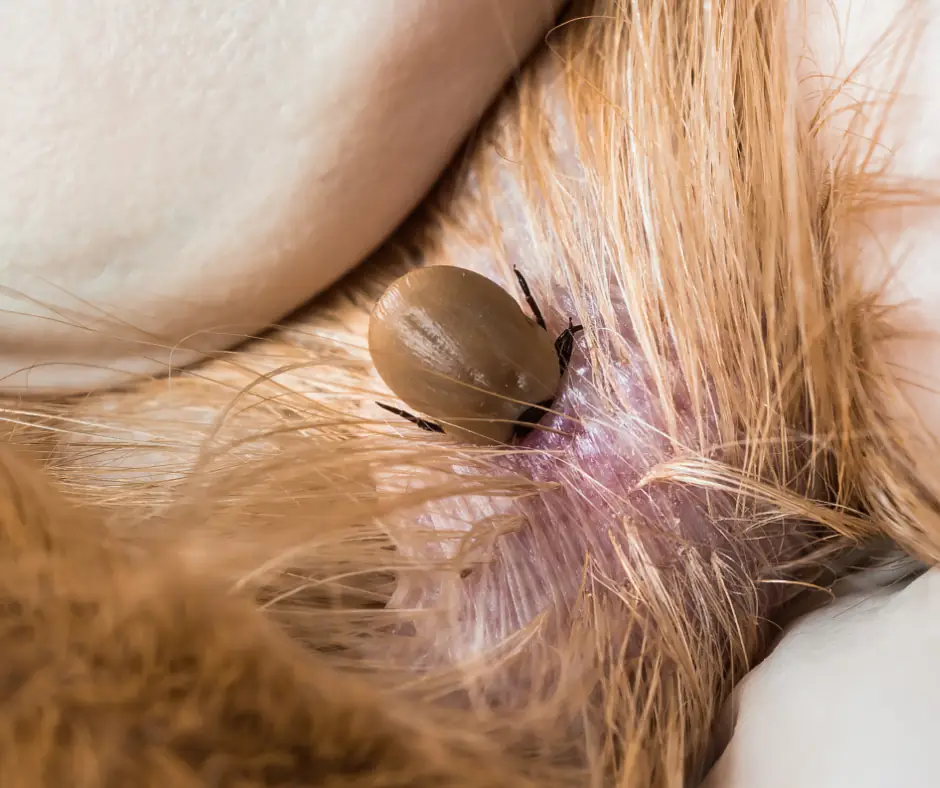
Tick control in Roodepoort means treating the places ticks hide and breed, not just the dog. We treat kennels, walls, cracks, dog runs and the edges of lawns with a residual product while your vet protects the animals. Breaking the cycle around the property is what stops dogs picking up new ticks every day.
Why ticks are a Roodepoort problem
Roodepoort is full of open ground. Ridges, koppies, grassland and veld run between and behind many suburbs, and plenty of families walk their dogs along those paths. Long grass and bush are where ticks wait for a passing animal. A dog that brushes through it comes home with ticks, and some of those drop off in the garden, where the females lay thousands of eggs in cracks, under paving and along walls.
Properties that border veld also get visits from wild animals and stray dogs that carry ticks. The warm, wet summer months are the peak season, but in sheltered kennels and garages ticks remain active for much of the year.
The tick that lives in your yard
The brown dog tick deserves special mention, because it's the one that turns a garden into an infestation. Unlike most ticks, it's happy to complete its whole life cycle around a single property, hiding in kennel cracks, under the eaves, behind wall plaster and even inside the house. It feeds mostly on dogs. If you're finding ticks climbing walls or in the corner of the garage, this is usually the culprit.
Why it matters for your dogs
Ticks carry diseases that can make dogs seriously ill, including biliary (canine babesiosis), which many owners call tick bite fever. Signs to watch for include lethargy, loss of appetite, pale gums and dark urine. If your dog shows any of these after a tick bite, see the vet immediately. Our job is to cut down the number of ticks around the property so the risk is far lower; the vet's job is to protect and treat the dog.
Signs of a tick problem on the property
- Ticks on dogs every day even though they haven't left the yard
- Ticks climbing kennel walls, garage walls or the outside walls of the house
- Tiny seed ticks in clusters on a dog's ears, feet or belly
- Ticks found indoors, on dog beds, curtains or skirting boards
How we treat ticks
- Inspection. We look at where the dogs sleep, rest and patrol: kennels, under the stoep, along the boundary wall, the dog run and the garage.
- Outdoor treatment. We apply a residual treatment to kennels, walls up to a good height, cracks in paving, the lawn edges and the base of hedges and shrubs, where ticks shelter.
- Indoor treatment where needed. If brown dog ticks have moved inside, we treat skirting boards, around dog beds and wall cracks with an odourless product that won't stain.
- Follow-up. Eggs in cracks aren't all killed at once, so a heavy problem usually needs a second visit.
You can stay at home. Keep pets and children off treated areas until they're dry, and arrange for your vet to treat all the dogs at the same time.
The common mistake
Treating the dog and then putting it straight back into an untreated kennel. The kennel is often the biggest source of brown dog ticks on the property. Scrub it out, clean the bedding and have it treated at the same time, or the dog is reinfested the same night.
A Roodepoort tip
After a walk on the veld or the ridge, check your dog before it goes into the garden or the house, especially between the toes, inside the ears and around the collar. Pull ticks off with a tick remover, not your fingers, and drop them in a jar of surgical spirit. Ticks that never reach the garden can't lay eggs there.
What tick control costs, and why
The cost depends on the size of the garden, the number of kennels and outbuildings, whether the house needs treating inside, and whether a follow-up visit is needed. A townhouse garden with one kennel is a quick job; a large property backing onto veld with several dogs is more involved. You'll see the guide "from" price on this page, and our pest control rates for Johannesburg list other services.
Related help
Ticks and fleas often go together, so look at our Roodepoort flea treatments too. Ridge-side homes have their own pest control in Constantia Kloof page. We also deal with ticks in Soweto, and the main page on tick control in Johannesburg has more on species. Everything else we do here is on our Roodepoort pest control page.
Your vet looks after the dogs; we look after the yard. Jason van Heerden owns and operates Combat Pest Control and has 25 years of experience. We're SAPCA registered, on the Department of Agriculture's register under Act 36 of 1947, and offer service within 24 hours. Tick treatments carry a 3-month guarantee. Call 084 200 2700, or WhatsApp a photo of the ticks you're finding on the walls or kennel.
Questions we get asked
How much does tick control cost?
It depends on the size of the garden, how many kennels and outbuildings need treating, and whether the house needs treating too. A small garden with one kennel costs less than a large property next to veld.
Will treating the garden protect my dog from tick bite fever?
It greatly reduces the number of ticks your dog meets at home, but your vet's tick protection is still essential, especially if you walk on the veld.
Can ticks live inside my house?
Brown dog ticks can. They hide in skirting boards, wall cracks and around dog beds. We treat inside when we find them there.
Is the treatment safe for my dogs?
Yes, once it's dry. Keep dogs off treated areas until surfaces have dried, then they can go back.
How long does a tick treatment last?
A residual treatment keeps working for weeks, and our tick treatments carry a 3-month guarantee. Properties next to veld may need regular treatments in summer.
What should I do before you come?
Ask your vet to treat all the dogs at the same time, clean out kennels and wash the bedding, and keep the dogs in one area while we work.