
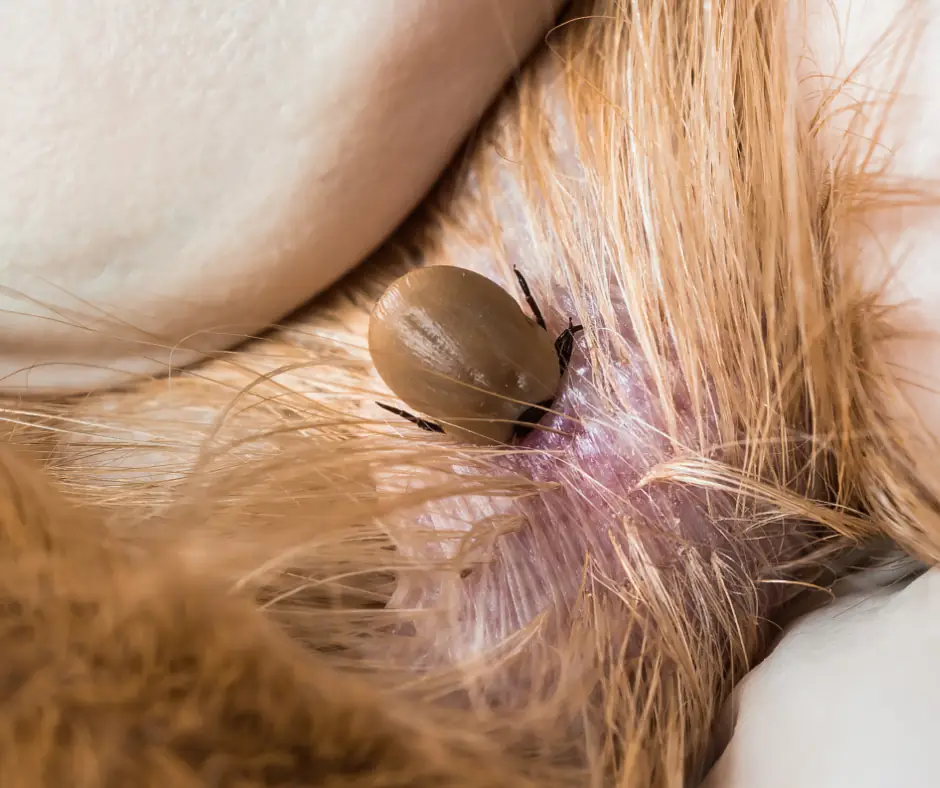
Tick control in Northcliff targets ticks in the garden, kennels, dog runs and the cracks and walls where they shelter between meals. Your vet handles the dog; we treat the property, so the ticks that drop off don't breed and climb back on. We find the hotspots, apply residual treatments there, and advise on keeping the garden less tick-friendly.
Where Northcliff ticks come from
The ridge and the open spaces around it are good tick habitat. Long grass on the slopes, the walking routes around Emmarentia Dam and the green areas between suburbs all hold ticks that wait on grass stems for a passing animal. Dogs walked there, and gardens visited by stray cats, hadedas and other wildlife, bring them home.
Once ticks reach your property, two things can happen. Ticks that need the open veld often drop off and die. But the brown dog tick is different: it's adapted to living around dogs and buildings, and it can complete its whole life cycle around a kennel, in the cracks of a wall or under a garage door. That's when people find ticks climbing walls and window frames, and keep finding them on the dog no matter how often it's treated.
Why tick control matters for dogs
Ticks aren't just unpleasant. Some carry diseases that make dogs very ill, including biliary, which most Johannesburg dog owners have heard of from their vet. Ticks can also bite people. Reducing the number of ticks around the home lowers the chance of a bite in the first place, and works alongside, not instead of, the tick products your vet recommends.
Two kinds of tick problem
It helps to separate the ticks your dog collects outdoors from the ones living at home. Outdoor ticks wait in long grass and on shrubs along walking routes, latch on, feed for several days and drop off. They're the reason vets recommend year-round tick products for dogs that walk on the ridge. Home-breeding ticks, mainly the brown dog tick, do the same but then hide in the kennel or a nearby crack, lay a large batch of eggs and send a new generation straight back onto your dog. The first group is managed mostly on the dog; the second needs the property treated.
Signs ticks have settled in
- Ticks on the dog even when it hasn't been out walking
- Small ticks crawling up walls, kennel sides, door frames and window sills
- Clusters in cracks, under the edges of paving or in gaps in the kennel
- Engorged ticks dropping off in the dog's bed or the room where it sleeps
How we treat ticks around the property
- Find the hotspots. Kennels, dog beds, the spots where dogs lie in the garden, walls and cracks near those spots, garages and storerooms they use, and long grass along boundaries.
- Treat the structures. Residual treatments go into kennel joints, wall cracks, gaps under paving edges, skirtings and door frames where ticks hide and moult.
- Treat the garden. Lawn edges, the grass along walls and fences, and the shaded areas dogs use.
- Coordinate with your vet. Dogs need to be on an effective tick product at the same time. Treating the property while the dog keeps bringing ticks in only slows the problem down.
- Follow-up. Where brown dog ticks have been breeding for a while, a second treatment catches those that hatch from eggs laid in cracks.
You don't need to move out. Keep pets and children off treated surfaces until they're dry, and keep dogs out of the kennel until we say it's ready.
The mistake: burning or pulling ticks off the walls
People squash, burn or spray the ticks they can see on walls. The ones visible are a fraction of what's in the cracks, and the eggs are hidden deeper still. Another mistake is pulling ticks off the dog by the body, which can leave the mouthparts in the skin. Use a tick remover or tweezers close to the skin, or ask your vet.
A Northcliff tip
Keep grass short along the edges of terraces and retaining walls, and clear the long growth at the bottom of the garden. Ticks wait on tall stems where dogs brush past, and on a sloping stand those strips often get missed when the lawn is cut.
What tick control costs, and why
The price depends on the size of the garden, the number of kennels and outbuildings, how established the ticks are and whether a second treatment is needed. A small garden with one kennel is quick; a large terraced property where brown dog ticks are breeding in walls and outbuildings takes longer. Our guide to pest control prices shows the starting point. If you've only found the odd tick on the dog after a walk, your vet's tick product is probably all you need.
Ticks and fleas often travel together, so see flea control in Northcliff too. For wider information, read about tick control across Johannesburg. We also treat ticks in Randburg gardens, and our Linden pest control page covers the suburb just north of the ridge. Everything we do in the area is on our Northcliff pest control page.
Jason van Heerden has 25 years in pest control and runs Combat Pest Control himself. We're SAPCA registered and registered with the Department of Agriculture under Act 36, with service within 24 hours and a 3-month guarantee on tick treatments. Call 084 200 2700 or WhatsApp us a photo of the ticks.
Questions we get asked
Why do I keep finding ticks on my walls?
That usually means brown dog ticks are breeding around the house. They hide in cracks and kennels, moult there and climb walls looking for a host. The property needs treating, not just the dog.
How much does tick control cost?
It depends on the size of the garden, the number of kennels and outbuildings, and how established the ticks are. Our price guide shows the starting price.
Is the treatment safe for my dogs?
Yes, once it's dry. We'll tell you when dogs can go back into treated areas and kennels. Your dogs should also be on a vet-recommended tick product.
Can ticks make my family sick?
Some ticks can pass on disease to people, including tick bite fever. Reducing ticks around the home lowers the risk, and you should see a doctor if you develop a fever after a bite.
How long does a tick treatment last?
It keeps working in cracks and treated areas for weeks, and our 3-month guarantee covers it. New ticks can still come in on dogs, so keep up the vet treatment.
What should I do before you arrive?
Clear access to the kennel, the dog beds and the garage, and keep pets inside or away during the visit.