
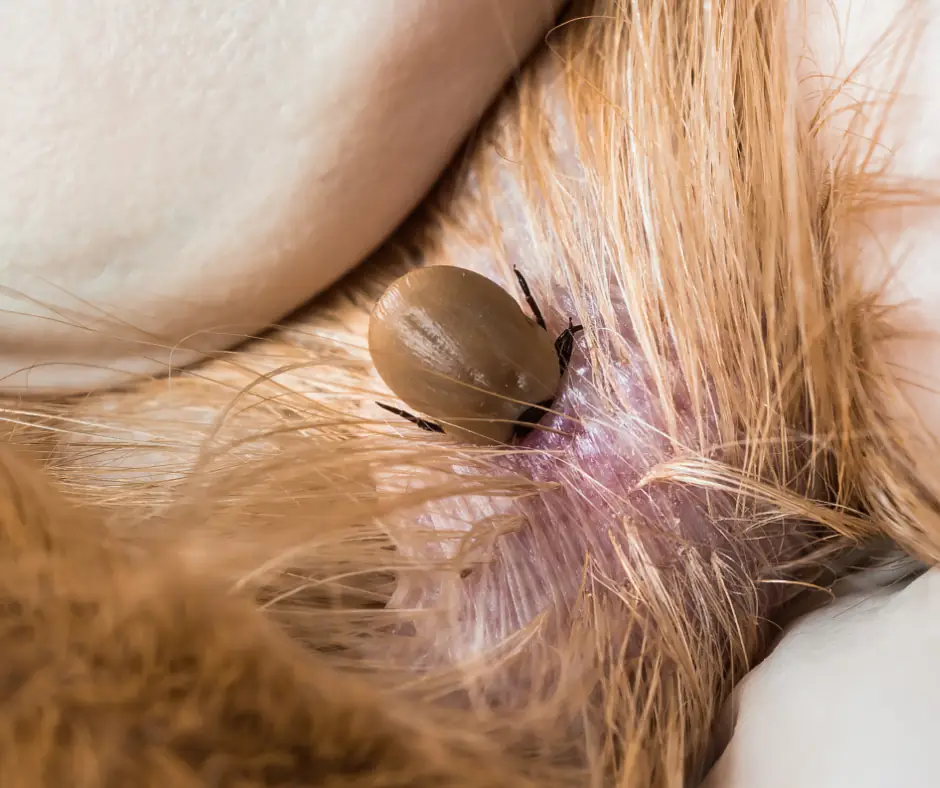
Tick control in Midrand matters most on plots, estates bordering veld and homes with dogs or horses. We treat the yard, kennels, paddock edges, walls and long grass where ticks wait, while your vet looks after the animals, so the ticks around your property are cut down rather than just picked off one dog at a time.
Midrand's tick season
Ticks love the mix that much of Midrand still has: long grass, shrubs, animals and warm, wet summers. From spring through to autumn, ticks climb grass stems and wait for a dog, a horse or a person to brush past. Kyalami and Randjesfontein, with their paddocks and horses, see a lot of tick activity, and so do estates where the boundary fence opens onto open veld. Even suburban dogs pick them up on walks along unmown verges.
It is not only an outdoor problem. The brown dog tick, the one most suburban owners find, can complete its whole life cycle around a kennel, in the cracks of a wall or behind a door frame. Owners are often surprised to find ticks crawling up the inside walls of the laundry or the garage where the dog sleeps.
Why ticks are more than a nuisance
For dogs, the big worry is biliary (tick bite fever), which can make a dog seriously ill very quickly. Horses and other livestock suffer tick-borne diseases too, and heavy infestations cause anaemia, sores and stress. People can get tick bite fever after walking in long grass. Keeping tick numbers down around the property is a real health measure, not just a cosmetic one.
Where ticks hide on a Midrand property
- Long grass along fences, paddock edges and the borders of the veld.
- Kennels, dog beds, the corners of a dog run and the gaps under kennel floors.
- Cracks in walls, behind gates, under the eaves of outbuildings and stables.
- Leaf litter, shrubs and rockeries where animals lie in the shade.
- Indoors, around the places dogs sleep, especially in laundries and garages.
Our tick treatment
Inspection
We walk the property with you to see where the animals spend their time, how the property borders the veld, and where ticks are being found.
Treating the environment
We apply a residual product to kennels, dog runs, the base of walls, cracks, gate posts, outbuildings and the edges of lawns and paddocks. On plots we concentrate on the areas near stables, kennels and the house, rather than trying to treat every hectare of grass.
Animals
Dogs, cats and horses need their own tick treatment from your vet, ideally on the same day. Treating the yard without treating the animals, or the other way round, leaves half the problem in place.
Follow-up
Ticks have long life cycles and some stages can survive months without feeding. Heavy problems, especially around kennels and stables, often need a second visit.
A common mistake
Relying on the dog's tick collar or monthly tablet and ignoring the yard. The product protects the dog, but the ticks in the kennel and the cracks keep breeding. Another mistake is burning a patch of veld or grass to get rid of ticks, which is dangerous on the Highveld in winter and does nothing for the ticks in the walls and kennels.
Prevention that works on plots and estates
- Keep grass short near the house, kennels and where children play, and leave a mown strip along the fence line.
- Clear leaf litter and dense ground cover where dogs lie.
- Fill cracks in kennel floors and walls near where animals sleep.
- Check dogs and children after walks in long grass, especially behind the ears, between toes and along the hairline.
Fleas often turn up alongside ticks on the same dogs, so if you are battling both, read about getting rid of fleas in Midrand.
What tick control costs, and why
On tick jobs we price by what has to be covered: the size of the treated area, the number of kennels, stables and outbuildings, how much grass borders the property, and whether follow-up visits are needed. A suburban yard with one kennel is a fairly small job. A plot with stables, paddocks and several dogs needs more time and product. See our pest control price guide for a starting figure, along with the "from" price on this page. If you only find the odd tick on a dog after walks, a good vet product and keeping the grass short may be all you need.
Plots in Randjesfontein and the surrounding area are some of our most regular tick calls. We handle the same kind of work in Fourways tick control, the broader picture is on tick control throughout Johannesburg, and our pest control in Midrand page covers the rest.
Our owner, Jason van Heerden, oversees tick work himself and has 25 years of experience; Combat Pest Control is SAPCA registered and registered with the Department of Agriculture under Act 36. Service within 24 hours and a 3-month guarantee come as standard. Call 084 200 2700, or WhatsApp us a photo of the ticks you are finding.
Questions we get asked
How much does tick control cost on a smallholding?
It depends on the area to be treated, the number of kennels, stables and outbuildings, and whether follow-up visits are needed. A suburban yard costs far less than a plot with paddocks. We quote after walking the property.
Is the yard treatment safe for horses and dogs?
Yes, when applied correctly. Keep animals away from treated areas until they have dried, and we will tell you exactly which areas those are.
Why are there ticks on my walls?
The brown dog tick climbs walls to find sheltered cracks to moult and lay eggs in. Ticks on walls near where your dog sleeps means they are breeding there.
Can ticks make my dog sick?
Yes. Biliary, or tick bite fever, is a serious and common disease in dogs. If your dog is listless, off its food or has pale gums after tick exposure, see a vet urgently.
When is tick season in Midrand?
Ticks are most active in the warm, wet months from spring through to autumn, but brown dog ticks around kennels can be active all year.
Do I still need to treat my dog if you treat the yard?
Yes. The yard treatment reduces the number of ticks waiting for your dog, but each animal still needs its own vet-recommended tick product.