
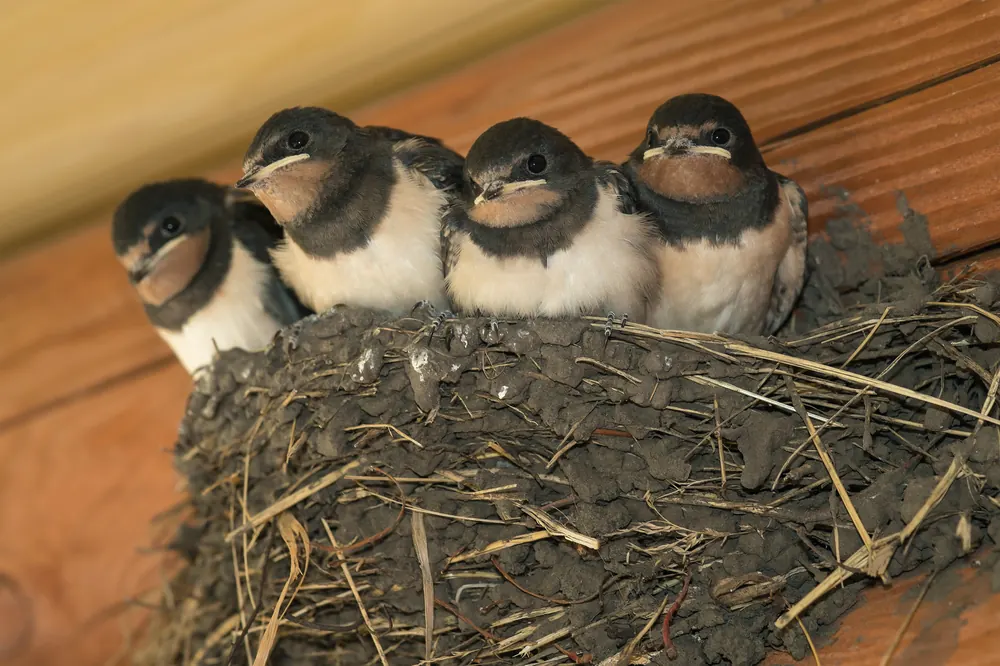
Bird mite control in Fourways means dealing with the nest, not just the bites. The mites come from birds nesting in the roof or eaves and move indoors when the chicks leave. We remove the nest, treat the nest area, roof void and affected rooms, then proof the gaps so birds can't move back in.
How bird mites get into your bedroom
Bird mites are tiny, barely visible creatures that live in birds' nests and feed on the blood of nesting birds and chicks. While the nest is busy, they stay there. When the young birds fledge, or a nest is abandoned or the birds are removed, the mites lose their food source and go looking for another one. They spread out from the nest through the roof space, and make their way down through gaps around downlights, cornices, ceiling boards, air vents and window frames into the rooms below.
They bite people, which is why they're so often mistaken for bed bugs or fleas. The good news is that bird mites can't complete their life cycle on human blood, so once the source is dealt with and the house is treated, they die off.
Why Fourways roofs attract nesting birds
Indian mynas, pigeons and sparrows are very common around Fourways' shopping centres, office parks and estates, and they're always looking for sheltered nesting sites. Fourways homes have plenty: gaps under the first row of roof tiles, spaces between the fascia and the roof, open eaves, air vents without covers, and the tops of gutters and downpipes. In office parks, signage, ledges, ceiling voids above covered walkways and gaps in roof sheeting are favourites. Mynas in particular will happily nest in a roof for years, raising several broods each season.
Signs it's bird mites
- Itchy bites, often at night and often on the upper body, arms and neck
- Tiny moving specks, pale or reddish, on walls, ceilings, windowsills, bedding or the bathroom basin
- Bites that started shortly after you noticed birds nesting in the roof, or after a nest was removed
- Activity concentrated in rooms directly under a nest, or near a window with a nest above it
- Birds coming and going under the roof tiles, gutters or eaves, or nesting material poking out
If there's no sign of birds and the bites are concentrated around the bed, bed bugs are worth ruling out. We'll confirm which it is before treating.
How we deal with bird mites
1. Find the nest
We check the roof line, gutters and eaves from outside, then go into the roof space where we can to find the nest, or nests. In some cases there are several around the house.
2. Remove the nest and treat the area
Old nesting material is bagged and removed, and the nest area and the surrounding roof void are treated to kill the mites still there. We take care not to disturb an active nest with eggs or chicks if the timing can be planned around it.
3. Treat the affected rooms
Inside, we treat the rooms where mites have been seen, paying attention to ceilings, cornices, light fittings, window frames, skirting boards and beds. Treatments are odourless and non-staining, and you can stay at home; keep pets and children off treated surfaces until they're dry.
4. Proof the roof
This is what stops it happening again. We advise on, or carry out, bird proofing for the roof and eaves: sealing gaps under the tiles, fitting covers to air vents, closing openings at the fascia, and spikes or netting on ledges and signage where birds roost.
What people get wrong
Pulling the nest out themselves and thinking that's the end of it. Removing a nest without treating it actually sends the mites looking for a new host more quickly, and the bites often get worse for a few days. The other mistake is spending weeks treating for bed bugs or fleas when the real source is above the ceiling.
A tip for Fourways homes
Watch the roof line in spring. If you see mynas or pigeons going in and out under the tiles or the fascia, deal with it before the chicks hatch and certainly before they fledge. Sealing the gap once the birds have left the nest for the season, together with removing and treating the nest, is far easier than dealing with mites in the bedroom later.
What bird mite treatment costs, and why
The price depends on how many nests there are, how easy they are to reach in the roof, how many rooms need treatment, and how much bird proofing the house or building needs. A single nest in an accessible roof with one affected bedroom is a moderate job. An office building with several roosting sites, or a double-storey home with nests in hard-to-reach eaves, costs more. Our pest control price guide shows where this kind of work starts.
For more on these mites, see bird mite control in Johannesburg. We also deal with bird mites in Bryanston homes, roofs in Douglasdale, and every other suburb listed on our Fourways area page.
Combat Pest Control, owned and run by Jason van Heerden, is SAPCA registered and registered with the Department of Agriculture, with 25 years in pest control. We offer service within 24 hours and a 3-month guarantee. Call 084 200 2700, or WhatsApp us a photo of the specks or the nest under the roof.
Questions we get asked
How much does bird mite treatment cost?
It depends on the number of nests, how easy they are to reach in the roof, how many rooms need treating and how much bird proofing is needed. One accessible nest and one bedroom is a moderate job.
Can bird mites live on humans?
No. They bite people but can't complete their life cycle on human blood. Once the nest is removed and the house is treated, they die off.
How do I know it's bird mites and not bed bugs?
Bird mites are tiny moving specks, often on walls and ceilings, and the bites usually start after birds nested in the roof. Bed bugs are larger and hide in mattress seams and bed frames.
Should I remove the nest myself?
It's better not to. Removing a nest without treating it sends the mites looking for a new host faster, and bites usually get worse for a while.
Do I need to leave the house during treatment?
No. You can stay home. Keep pets and children off treated surfaces until they're dry.
How do I stop birds nesting in my roof again?
Seal gaps under the tiles and at the fascia, cover air vents, and use spikes or netting on ledges. We can advise on or carry out the bird proofing.
How quickly will the bites stop?
Usually within a few days of the nest being removed and the house treated, as the remaining mites die off without a host.