
Rat control in Fourways means finding out where your rats are coming from, then cutting off the route. We inspect the house and garden, bait outside in lockable stations, trap inside the roof, and give you a short list of gaps to seal. Most homes see activity drop clearly within one to two weeks.
Where Fourways rats come from
Ask a homeowner in an older Johannesburg suburb where their rats come from and they'll point at the neighbour's trees. In Fourways the answer is more often the open ground. Many estates and complexes back onto veld, a green belt, a vacant stand or the Jukskei, and those are permanent homes for rats. Two things push them over the wall:
- Winter. From May the nights get cold, the grass dries out and food gets scarce. Rats look for warmth and something to eat, and a roof space above a heated house is ideal.
- Disturbance. When veld is mown, burnt or cleared for a new development, the rats living in it have to go somewhere. We often see a sudden jump in calls from homes next to a building site.
Which rat is it?
The one in the roof
The roof rat is slim, agile and a superb climber. It runs along boundary walls, up creepers and drainpipes and through trees onto the roof, then squeezes in under the eaves or where the roof sheeting meets the fascia. In Fourways gardens, palm trees are a favourite: roof rats nest in the dead fronds and drop straight onto the roof from there.
The one in the garden
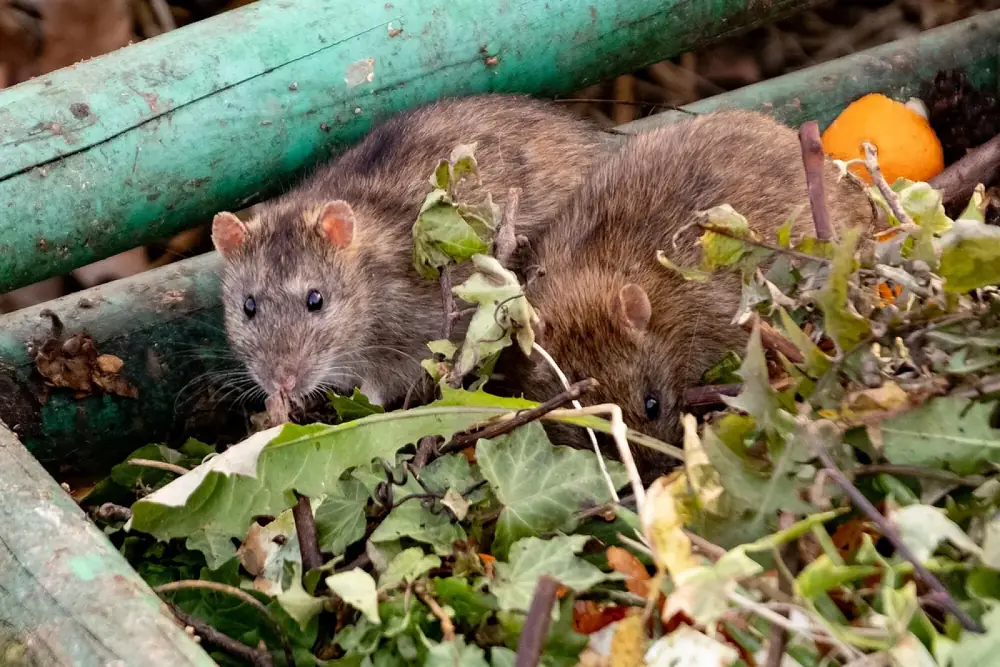
The brown rat is bigger and heavier, and it digs. Look for burrows under paving, beside the pool pump house, under timber decks and at the base of the boundary wall. It's attracted to dog food, compost, bird seed and fallen fruit, and it comes indoors at ground level through drains, gaps under garage doors and open air bricks.
Knowing which one you have tells us where to bait and where to look for the way in, so it's the first thing we work out.
Signs to check for
- Running or gnawing in the ceiling in the evening and early morning
- Droppings about the size of a raisin in the roof space, garage or behind appliances
- Chewed irrigation pipes, pool cleaner hoses or garden lights
- Greasy marks along the top of walls or roof beams where they run
- Holes dug under paving or beside the wendy house
Mice leave much smaller droppings and make lighter noises. If that sounds more like your problem, our page on mice in Fourways homes explains the difference.
Our process
We start outside, because that's where the rats live. We walk the boundary, check the garden for burrows and runs, look at the roof line for gaps, and go into the roof space if there's access. Then:
- Lockable, tamper-resistant bait stations go along the routes the rats use outside, fixed so dogs and children can't open them.
- In the roof we use traps, so no rat dies in a spot you can't reach.
- We show you the entry points: gaps under the eaves, broken air bricks, holes around pipes and cables, the gap under the garage door, branches or palm fronds touching the roof.
- Where activity is heavy, we return to check and rebait.
In a townhouse complex the rats are usually moving through shared roofs, so we'll suggest speaking to the body corporate about treating the block, not only your unit.
The mistake we see most
Throwing poison sachets into the roof. Rats carry the bait off, some die inside a wall or under the insulation, the smell lasts for weeks, and the gap they came through is still open. Meanwhile, loose bait in the garden is a real danger to dogs. Bait belongs in a locked station, and baiting without proofing only buys you a few months.
A Fourways tip
If you have palms in the garden, have the dead fronds cut off every year, and keep any tree or palm at least a metre clear of the roof. Store dog food in a sealed bin, not an open bag in the garage, and feed the dogs in the morning rather than leaving food out overnight.
What rat control costs, and why
The cost is set by the size of the property, the number of bait stations needed, whether we're working in the roof, and how many follow-up visits it takes. A single house with a few roof rats is a straightforward job; a large estate stand that backs onto veld may need more stations and a return visit. You can see starting points on our guide to pest control prices. If you've seen one rat once and there's no sign of more, a couple of snap traps may be all you need, and we'll say so.
For the full city-wide approach, see rat control in Johannesburg. We also handle rats in Randburg, and homes in Douglasdale and the rest of the area are covered on our Fourways pest control page.
We're SAPCA registered and registered with the Department of Agriculture, with 25 years of experience and service within 24 hours, and rat treatments carry a 3-month guarantee. If the rats keep you awake, phone 084 200 2700, or WhatsApp a photo of the droppings so we can tell you which rat it is.
Questions we get asked
How much does rat control cost for a house in Fourways?
It depends on the size of the property, the number of bait stations and whether we work in the roof. A typical house with a few roof rats is a straightforward job; large stands next to veld may need a follow-up visit.
Why have we suddenly got rats when we never had them before?
Usually something nearby has changed. Veld being mown or burnt in winter, or a vacant stand being cleared for building, pushes the rats living there into the nearest homes.
Will the bait harm my dogs?
Bait inside lockable stations is out of reach of dogs. Loose poison thrown around the garden is the real risk, which is why we never use it.
How do I know if it's rats or mice in the ceiling?
Rats sound heavier and their droppings are about the size of a raisin. Mice make lighter scratching sounds and leave droppings like grains of rice.
Do rats live in palm trees?
Roof rats often do. They nest in the dead fronds and use the palm to get onto the roof, so trimming old fronds and keeping palms clear of the roof helps.
What should I do before you arrive?
Clear access to the roof hatch and garage, don't throw poison into the roof, and note where you've heard or seen activity. Put dog food away so it doesn't compete with the bait.
Will the rats come back?
Not if the entry points are sealed and the food sources outside are dealt with. If treated rats return within 3 months, we come back.