
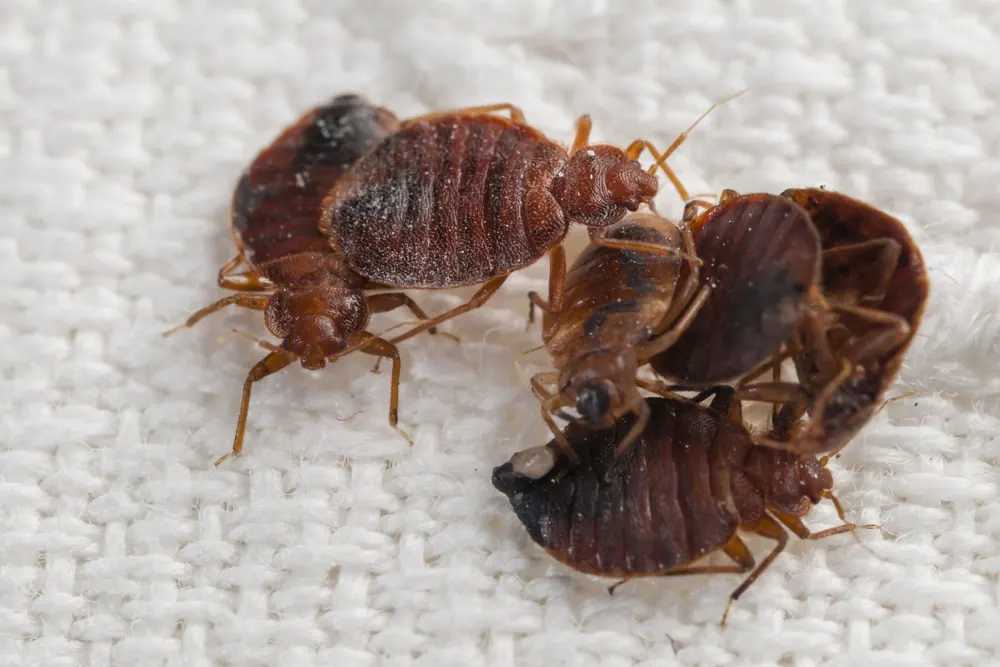
Bed bug control in Fourways takes a careful inspection and at least two visits. We find every place the bugs are hiding, from mattress seams and bed frames to skirting boards and plug points, treat them with a residual product, then return to catch the young that hatch from eggs after the first treatment.
How bed bugs end up in Fourways homes
Bed bugs have nothing to do with how clean a house is. They're carried in. Fourways is a fast-moving part of the city: people travel for work, move between rentals and complexes, host guests, buy and sell furniture online and bring home luggage from holidays. Each of those is a way in. The most common sources we trace are:
- A suitcase that came back from a trip and was unpacked on the bed
- A second-hand bed, couch, headboard or bedside table
- A rental unit where the previous tenant had them, or a neighbouring unit in a complex
- Guests, students or family members who stayed over, often without knowing they had bed bugs
Once inside, bed bugs don't need much. They hide within a couple of metres of where someone sleeps or sits for long periods, and come out at night to feed for a few minutes before going back into hiding.
Bed bug or something else?
Lots of bites get blamed on bed bugs that aren't. Before we treat, we confirm it. Signs that point to bed bugs are:
- Bites in a line or cluster on arms, neck, shoulders and legs, the parts uncovered while you sleep
- Small black or brown spots along mattress seams, the bed frame and the headboard, which are their droppings
- Tiny blood smears on sheets and pillowcases
- Shed skins and pale eggs in seams, screw holes and the joints of the bed base
- Live bugs, flat and reddish-brown, about the size of an apple seed
If the bites are mostly around the ankles and you have pets, fleas are more likely; our page on fleas in Fourways homes explains the difference. If the bites started after birds nested in the roof, it may be bird mites.
Our treatment process
- Inspection. We strip the bed, check the mattress, base, headboard and frame, then work outwards: bedside tables, curtains, skirting boards, plug points, picture frames and couches. In a complex we'll ask whether neighbours have the same problem.
- Treatment. We apply a residual treatment to the bed frame, base, seams, cracks, skirting boards and other hiding places in every affected room. Mattresses are treated carefully on the seams and edges. In severe cases, or where furniture can't be treated in place, fumigation may be recommended.
- Follow-up. Bed bug eggs are protected from most treatments, so we return to treat the young that hatch afterwards. This second visit is what makes the job work.
You don't need to move out for a standard treatment. Keep children and pets off treated surfaces until they're dry, and keep sleeping in your bed: the bugs need to come out and cross the treated areas. Gas fumigation is different: the sealed area must be empty until it's been cleared.
How to prepare
- Wash all bedding, curtains and clothing from the affected rooms on a hot wash, and tumble dry on high.
- Bag clean items in sealed plastic bags and keep them sealed until after the follow-up.
- Clear clutter from under beds and around skirting boards so we can reach everything.
- Don't move into the spare room or onto the couch. The bugs follow you and the problem spreads.
Where people go wrong
The biggest mistake is throwing out the mattress. It's expensive, it doesn't solve anything because the bugs are also in the frame, skirting and furniture, and a mattress dragged through the house can spread them to other rooms. Supermarket bug bombs are the second mistake: they chase bed bugs deeper into walls and into the neighbouring unit without reaching the eggs.
A tip for frequent travellers
When you get home from a trip, unpack in the garage or the laundry, not on the bed. Put clothes straight into a hot wash, and store suitcases in the garage or a sealed bag rather than under the bed. It's a small habit that stops most bed bug problems before they start.
What bed bug treatment costs, and why
The price is driven by the number of rooms affected, how many beds and couches need treating, how severe the infestation is, and whether fumigation is needed. A single bedroom caught early is a much smaller job than a whole house where the bugs have spread. The follow-up visit is part of a proper treatment, not an extra. See our guide prices for bed bug treatment. Honestly, DIY rarely clears bed bugs, but early detection keeps the cost down.
For more detail, read about bed bug control in Johannesburg. We also treat bed bugs in Midrand, homes in Norscot and the rest of the area through our pest control services in Fourways.
Combat Pest Control is SAPCA registered and registered with the Department of Agriculture, with 25 years of experience and service within 24 hours. Treatments carry a 3-month guarantee. Call 084 200 2700 in confidence, or WhatsApp a photo of the mattress seam or the bites and we'll tell you whether it's bed bugs.
Questions we get asked
How much does bed bug treatment cost?
It depends on how many rooms and pieces of furniture are affected and how far the bugs have spread. One bedroom caught early costs far less than a whole house. The follow-up visit is part of the job.
Do I need to throw away my mattress?
Usually not. Mattresses can be treated on the seams and edges. Throwing it out doesn't help because the bugs are also in the bed frame, skirting and furniture.
Can I stay in my house during bed bug treatment?
Yes, for a normal treatment, as long as children and pets stay off sprayed surfaces until they've dried. Only gas fumigation needs the sealed area vacated until cleared.
How long does it take to get rid of bed bugs?
Usually two visits about two weeks apart. Some bites may continue for a few days after the first treatment as the remaining bugs come into contact with it.
Did I get bed bugs because my house is dirty?
No. Bed bugs are carried in on luggage, furniture and clothing. They live on blood, not dirt, and turn up in spotless homes.
Should I sleep in another room until it's sorted?
No. Moving rooms spreads the bugs. Keep sleeping in your own bed so they come out and cross the treated areas.
Can bed bugs spread between units in a complex?
Yes. They can travel along shared walls, plumbing and wiring. If neighbours have bites too, treating the affected units together works better.