
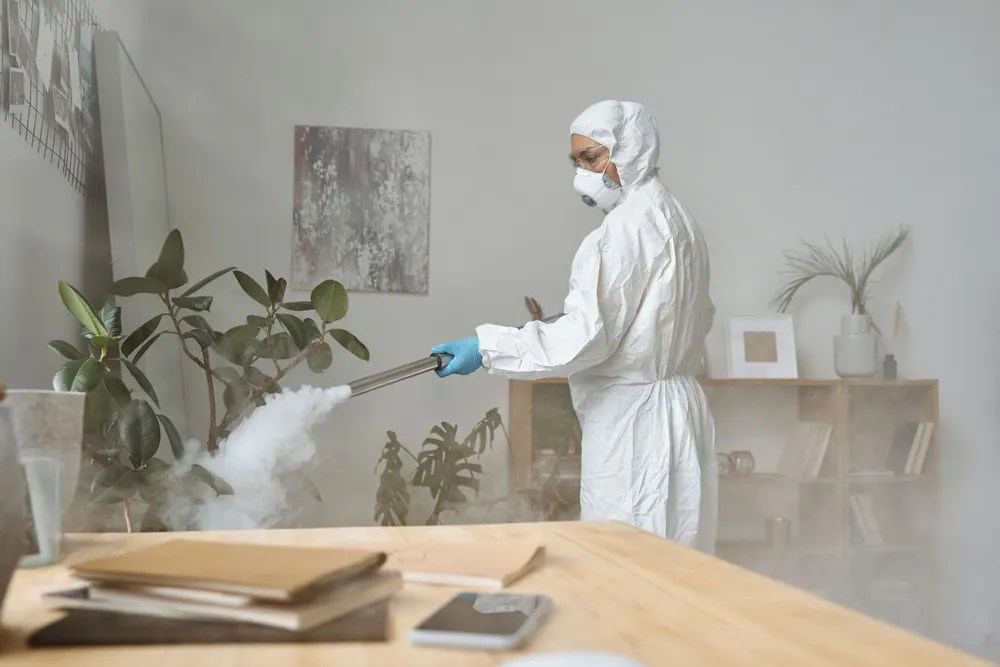
Pest control in Lone Hill has a twist that most northern suburbs don't share: the rocky koppie at its heart brings scorpions and spiders into nearby gardens and homes. Alongside them we treat subterranean and harvester termites, roof rats, ants and paper wasps. We inspect first, treat the source and help you make the house harder to get into.
The koppie effect
Lone Hill grew up around a single rocky hill, and that koppie, with its boulders, grassland and natural vegetation, is still the suburb's landmark. Around it are family homes, security estates and townhouse complexes, with the Lonehill shopping area and schools close by. Many properties were built with rockeries, stone walls and indigenous gardens that echo the hill.
Rock and dry veld are home to scorpions, spiders, centipedes and solifuges (the hairy "red Romans" that alarm everyone). In warm summer months, particularly after rain, these move outward from the koppie and from rockeries into gardens, garages and houses. Most are harmless or only mildly venomous, but some thick-tailed scorpions found in Gauteng can give a serious sting, so it's worth treating properly.
Our main jobs in Lone Hill
Scorpions and spiders
Scorpions shelter under rocks, paving, pot plants, wood piles and garden furniture by day and hunt at night. They come indoors under doors, through weep holes and through gaps around pipes. Button spiders, sac spiders and rain spiders follow insects to outside lights and into garages. We treat the hiding and hunting areas around the house with an odourless residual barrier and advise on proofing. Our scorpion control for Fourways homes page goes into the species and the method.
Termites
Subterranean termites travel in mud tubes from the soil into door frames, skirting boards and roof timbers. Harvester termites strip lawns in dry winters. Rocky, well-drained ground doesn't stop either; it just moves them to where the moisture is, often under paving and along irrigated beds. Read more on our Fourways termite control page. Structural work carries a 5-year guarantee with a certificate.
Roof rats
Rats come in from the koppie's vegetation and from gardens, climbing trees and creepers onto the roof. We bait outside in lockable stations and trap inside the roof.
Ants and wasps
Ants come indoors through paving joints in spring and before rain; we use baits rather than sprays. Paper wasps build under eaves, pergolas and carports through summer; we treat and remove the nest.
When Lone Hill pests peak
The koppie sets the calendar. Scorpions, spiders and centipedes are most active from October to March, when nights are warm and insects are plentiful, and sightings jump after a thunderstorm floods their hiding places. Flying termites come out of the ground on humid afternoons after the first proper rain. In winter the crawling pests go quiet, but that's when rats move into roofs and harvester termites go to work on dry lawns. A perimeter treatment in early spring, before the scorpion season starts, is the timing we recommend for homes closest to the hill.
Estates and complexes
Many Lone Hill estates and complexes back onto open ground. For body corporates and homeowners' associations, a scheduled programme works best: lockable rodent stations around the boundary and refuse area, a perimeter treatment for crawling insects at the start of summer, and a written record of every visit. It's cheaper than dealing with each unit's complaint separately.
What happens on the day
We walk the garden and the outside of the house first, paying attention to rockeries, retaining walls, paving, pot plants and the boundary closest to open ground. Then we look indoors. Our treatments are odourless and non-staining, and you won't need to leave the house. Children and pets should only go back onto treated areas once they've dried.
What people get wrong with scorpions
Spraying the scorpion. Scorpions are tough and many shrug off household insecticides. What works is treating where they live and hunt, removing the shelter around the house and closing the gaps they use to get in. A single sighting in a garage doesn't mean an infestation; regular sightings indoors do.
Lone Hill tips
- Keep a clear strip of about a metre between rockeries or wood piles and the house walls.
- Fit door sweeps to outside doors and check weep holes have mesh.
- Shake out shoes, gardening gloves and towels left outside before using them.
- Switch outdoor lights to yellow bulbs; they attract fewer insects, so fewer spiders and scorpions come hunting.
What it costs and why
A perimeter treatment for scorpions and spiders around a family home is a fairly modest job, and it's priced on the size of the house and the garden areas treated. For rats, the price follows how many bait stations the property needs and how many return visits we make to check traps. Termite treatment depends on the length of the foundation perimeter and the paving to be drilled. You can see a guide "from" price on this page, and our pest control costs in Johannesburg list covers every service. We'll quote after looking.
Lone Hill is part of our Fourways pest control coverage, and nearby Dainfern has its own page.
Combat Pest Control is owned by Jason van Heerden, who has 25 years of experience in pest control and still does the work. We're SAPCA registered and registered with the Department of Agriculture, offer service within 24 hours and back general treatments with a 3-month guarantee. Call 084 200 2700, or send us a photo on WhatsApp and we'll identify the scorpion or spider for you.
Questions we get asked
How much does scorpion control cost in Lone Hill?
A perimeter treatment for a family home is a fairly modest job, priced on the size of the house and the garden areas treated. A guide from-price is shown on this page.
Are Lone Hill scorpions dangerous?
Most scorpions here are only mildly venomous, but thick-tailed species can give a serious sting, especially to children. If someone is stung and feels unwell, get medical help.
How can I tell a dangerous scorpion from a harmless one?
As a rule of thumb, scorpions with thick tails and small pincers are more venomous; those with big pincers and thin tails are less so. WhatsApp us a photo and we'll tell you.
Why are scorpions coming into my house?
They hunt insects at night and shelter in rockeries, paving and wood piles near the house. They get in under doors and through weep holes, so door sweeps and mesh help.
How often should I treat for scorpions?
Usually once at the start of the warm season, with a follow-up if sightings continue. Removing shelter around the house makes a big difference.
Is the treatment safe for pets?
Yes, used correctly. Keep pets off treated areas until they're dry.