
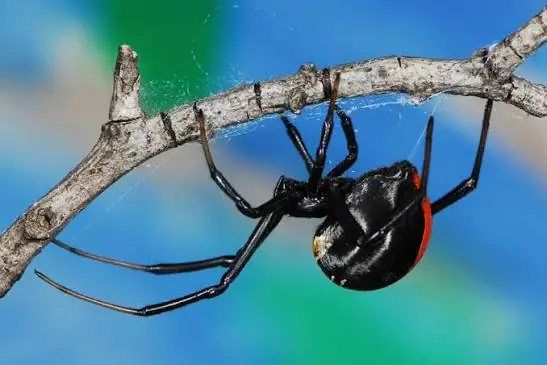
Spider control in Johannesburg South focuses on the places spiders live and hunt: eaves, garden walls, rockeries, garages and the insects that draw them in. We identify the spiders you're seeing, treat their hiding places and webbing sites with a residual product, and reduce the insect food that brings them close to the house.
Why spiders thrive in the south
The southern suburbs have a lot of spider habitat. Homes in Glenvista, Mondeor and the suburbs along the slopes of the Klipriviersberg have rocky gardens, stone retaining walls and natural bush close by, which shelter ground spiders, button spiders and the insects they eat. Older homes nearer town have deep eaves, outbuildings, garages full of stored goods and wood piles, all of which are perfect web sites. And in summer, outside lights attract moths and flying insects every night, which in turn attract spiders to the walls and windows.
Most of the spiders around southern homes are harmless and some are useful, eating flies and mosquitoes. But a few deserve care, and many people simply don't want large spiders and webs in the house.
The spiders you're likely to meet
Button spiders
The black button spider is shiny black, often with a red mark on the upper abdomen, and builds untidy webs in sheltered places close to the ground: under garden furniture, in pipes, in holes in walls and under pot rims. The brown button spider is more common around homes and likes the same spots. Their bites are uncommon, but they need medical attention, so these are the spiders we take most seriously in gardens.
Sac spiders
Pale, smallish spiders that hunt at night and rest in silk sacs in the folds of curtains, behind pictures and in the corners of ceilings. They're one of the more likely spiders to bite indoors, usually when trapped against skin in bedding or clothing.
Rain spiders and others
Large, brown and alarming, rain spiders come indoors before storms and on warm summer evenings. They look fearsome but are not considered dangerous. Daddy long-legs fill corners with webs, and orb weavers string webs between trees and eaves. Baboon spiders live in burrows in some gardens near the ridges and are best left alone.
Signs it's time to treat
- Webs rebuilt overnight in the same corners of the patio, garage or eaves
- Egg sacs tucked into corners, behind furniture or under ledges
- Spiders regularly inside bedrooms or children's rooms
- Button spiders found under garden furniture, toys or in the sandpit
How we treat spiders
An inspection shows us which spiders are around and where they're settling. We remove webs and egg sacs we can reach, then apply an odourless, non-staining residual treatment to eaves, window and door frames, garage corners, outbuildings, garden walls and the hiding places in rockeries and under furniture. Inside, we treat corners, behind furniture and the gaps where spiders shelter. Because spiders follow their food, we also look at what's attracting insects, such as bright outside lights and damp corners. You don't need to leave home; keep children and pets off treated surfaces until they've dried.
What people often get wrong
Spraying spiders with a can of insect killer when they appear. It works on that spider, but the next one moves into the same web site that evening. Sweeping webs without treating, or leaving outside lights on all night, keeps the food supply coming. A residual treatment on the hiding places, plus fewer insects, is what makes a lasting difference.
A tip for ridge-side homes
Wear gloves when you move garden furniture, pot plants, building materials or wood that's been standing for a while, and shake out shoes and gardening gloves left outside. Button spiders and scorpions both hide in exactly those spots on stands near the ridges. Switching to yellow outdoor bulbs also draws fewer insects, and therefore fewer spiders, to your walls.
What spider control costs, and why
The price depends on the size of the house, whether outbuildings, garages and a big garden are included, and how much webbing and harbourage there is. A standard inside-and-outside treatment of a family home is a fairly modest job. You'll find the guide price on our Johannesburg pest control prices page. If you see the odd harmless spider indoors, leaving it alone or putting it outside is perfectly fine, and we'll say so.
Rocky gardens that hold spiders often hold scorpions too; see scorpion treatments in the south. Locally, there's pest control in Glenvista and the main Johannesburg South pest control page. We also deal with spiders in Soweto homes and spider control around Johannesburg.
Combat Pest Control is owned by Jason van Heerden and has 25 years of experience. We're SAPCA registered and registered with the Department of Agriculture, we offer service within 24 hours, and spider treatments carry a 3-month guarantee. Call 084 200 2700, or WhatsApp us a photo of the spider and we'll identify it.
Questions we get asked
How much does spider control cost?
A standard inside-and-outside treatment of a family home is fairly modest. The price goes up with outbuildings, garages, a big garden and heavy webbing.
Which spiders around my house are dangerous?
Button spiders are the main ones to be careful of in gardens, and sac spiders can bite indoors. Most others, including rain spiders, aren't considered dangerous.
Is the treatment safe for my children and pets?
Yes, once it's dry. Keep them away from treated areas until surfaces have dried. The products are odourless and don't stain.
Why are there so many webs again a week later?
New spiders move into good web sites quickly, especially near outside lights. The residual treatment kills those that settle, and fewer insects means fewer spiders over time.
Can I identify the spider from a photo?
Usually, yes. WhatsApp us a clear photo, ideally with something for scale, and we'll tell you what it is.
Should I kill rain spiders?
There's no need. They're not considered dangerous and eat other insects. Catch it under a container and put it outside if you'd rather not have it indoors.