
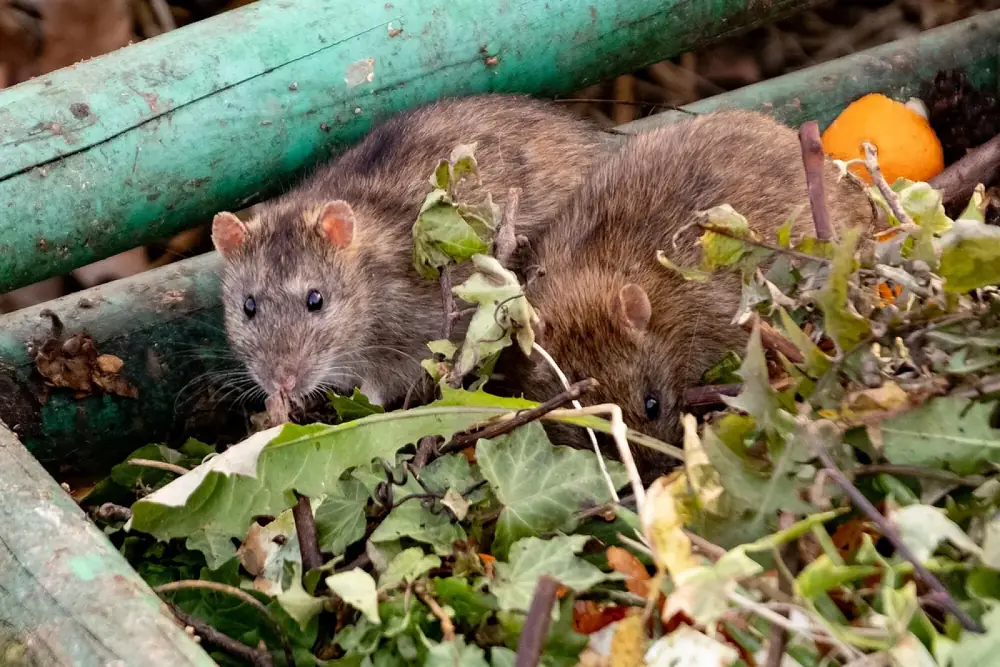
Rat control in Johannesburg South starts with finding out where the rats are coming from, because in the south it's often the neighbour's roof, the river bank or a vacant stand. We place lockable bait stations outside, set traps in the ceiling, and show you exactly which gaps to close so they stay out.
Where southern rats come from
Ask ten households in the south about rats and you'll hear about three different sources. In the older suburbs near town, such as Rosettenville, Kenilworth and Turffontein, semis and closely built houses share walls and sometimes roof spaces, so a family of roof rats can move along a whole row. Further out, in places like Mondeor and Mulbarton, gardens are bigger, with fruit trees, compost heaps, aviaries and dog food left out overnight. And near the Klip River, the spruits and open veld, brown rats live in burrows along the banks and edges and move up to houses when the weather or the food supply changes.
Winter is the turning point. From about May, when Highveld nights drop towards freezing, rats look for warmth. The ceiling above a kitchen or a geyser is the best spot in the house, and that's where most of our winter callouts end up.
Which rat is it?
The roof rat climbs. It travels along the top of boundary walls, up vines and gutters, and along overhead cables, then slips in under the eaves or where an old roof meets a newer addition. If the noise is overhead, it's almost certainly this one. The brown rat is bigger and digs. It tunnels under paving and sheds, lives in compost and rubble, and comes in at ground level through drains, gaps under doors and broken air bricks. Knowing which one you have tells us where to put stations and which gaps to check first.
Signs worth checking
- Scrabbling or thumping in the ceiling after dark, often in the same spot
- Dark, raisin-sized droppings on top of cupboards, in the garage or around the geyser
- Chewed fruit on the tree, or holes gnawed through plastic bins and irrigation pipe
- Greasy marks along a beam or the top of a wall where they run
- Fresh holes at the base of walls, under the shed or beside the compost bin
How we deal with rats
First we walk the house and garden and, where it's safe, look into the roof. We're looking for nests, droppings, runways and the way in. Then we place lockable, tamper-resistant bait stations along the outside routes, where children and pets can't get to the bait, and use snap traps in the ceiling so rats aren't left to die out of reach. Once activity drops, we go through the proofing with you: gaps under the eaves, broken vents, open pipe entries, gaps under garage doors and branches touching the roof. A follow-up visit checks the stations and confirms the activity has stopped.
For semis or rows of attached houses, we suggest treating with the neighbours at the same time. It isn't a sales trick. If only one roof is treated, the rats next door simply take over the empty space.
Why it's worth acting quickly
Rats aren't just noisy. They gnaw electrical cables in the roof, chew through geyser insulation and irrigation lines, and contaminate anything they run over with urine and droppings. A pair in the ceiling in May can be a family by the end of winter, and every week makes the clean-up and the proofing job a little bigger. Most of the damage we see in southern roofs comes from rats that were heard for months before anyone called.
Why loose poison makes it worse
The most common thing people try is throwing a box of loose pellets into the roof. Rats carry it away and stash it, sometimes in the wall cavity, and when they die there the smell takes weeks to clear. Dogs and cats can find bait that rats drop in the garden. And because the gap is still open, a new set of rats moves in a few months later. Poison without proofing just resets the clock.
A tip for the south
Pick up fallen fruit every day in late summer and autumn, and lift the compost off the ground into a closed bin with a solid base. Fruit trees and open compost are the biggest food sources we find in southern gardens, and removing them does more than any amount of bait.
What rat control costs, and why
The cost depends on the size of the property, how many stations go outside, whether we're working in the roof, how much proofing advice is involved and how many follow-ups it takes. A house with a couple of rats in the ceiling is a straightforward job; a row of semis or a property next to open land takes more. You'll find the starting point on our pest control prices page. If you've seen a single rat once, a couple of good snap traps may be enough, and we'll tell you so.
Rats seldom arrive alone: mice in southern homes often follow in winter. For an overview of what we treat locally, see our Johannesburg South page, or read about pest control in Kenilworth. We also handle rats in Rosebank's older suburbs and rat control throughout Johannesburg.
Combat Pest Control has been in the trade for 25 years, is SAPCA registered and is registered with the Department of Agriculture. We aim for service within 24 hours, and rat treatments carry a 3-month guarantee. Call 084 200 2700, or WhatsApp us a photo of the droppings and we'll confirm what's in your roof.
Questions we get asked
How much does it cost to get rid of rats?
It depends on the property, the number of bait stations, whether we work in the roof and how many follow-ups are needed. A single house is usually a straightforward job; we quote after a quick inspection.
Why are rats in my roof only in winter?
Because they're looking for warmth. When the nights get cold from about May, rats that lived in the garden or along the river move into ceilings, especially above the kitchen and the geyser.
Will the bait harm my dog?
Bait stays inside lockable, tamper-resistant stations that a dog can't open, and we place them where pets don't usually go. That's far safer than loose poison.
My neighbour has rats. Will I get them too?
Quite likely, especially in semis or houses that share a wall or roof. Treating both properties at the same time gives the best result.
How many visits does it take to clear rats from a house?
Usually two or three. Most homes see the activity drop within one to two weeks. Properties next to open land or the river may need a longer programme with follow-up visits.
What should I do before you arrive?
Clear access to the roof hatch and garage, don't put any more loose poison down, and note where you've heard or seen activity.