
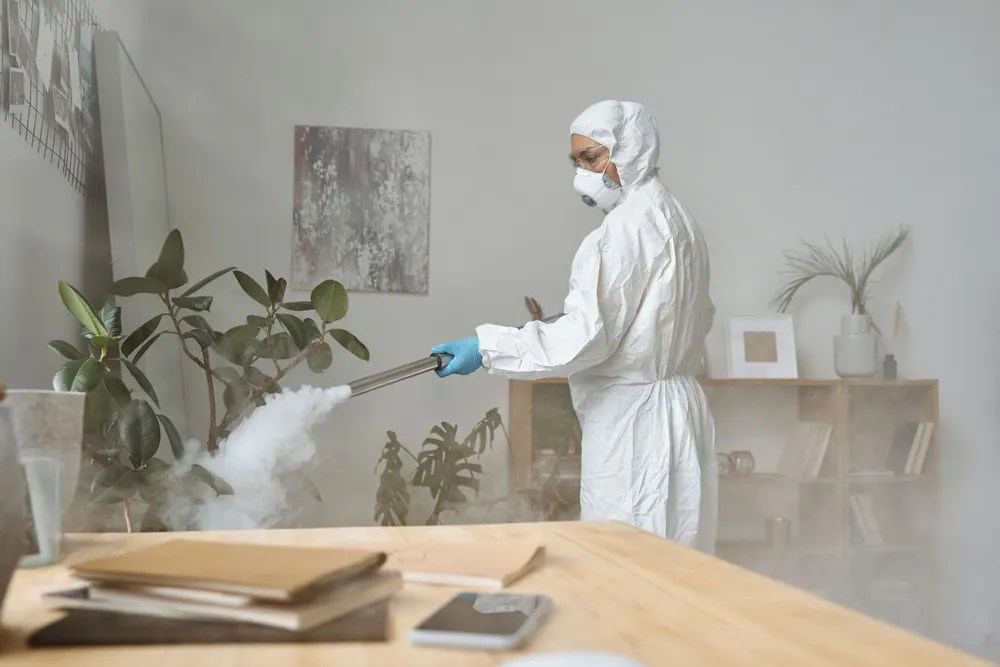
Pest control in Glenvista is shaped by the rocky Klipriviersberg ridge next door. Scorpions and spiders come down from the rocks, subterranean and harvester termites thrive in the soil, roof rats use the bush and trees, and wasps and bees settle in eaves and walls. We inspect the house and garden, treat the source and help you keep the ridge's wildlife outside.
Living next to a nature reserve
Glenvista is one of Johannesburg South's sought-after suburbs, built along the slopes near the Klipriviersberg Nature Reserve. Many homes are large, on sloping stands with views, terraced gardens, retaining walls, rockeries and pools. There are also security complexes and estates. The reserve's rocky ridges and grassland run right up to the edge of the suburb.
That closeness to nature is why people love it, and it's also why its pest list differs from flat suburbs. Rocks, stone walls and rockeries are perfect shelter for scorpions, spiders, centipedes and solifuges. Grassland supports harvester termites and rodents. Indigenous bush and big trees give rats cover and a route to the roof. And sloping ground often means water collects against the uphill walls of the house, which subterranean termites love.
Pests we deal with in Glenvista
Scorpions
Glenvista is one of the Johannesburg suburbs where scorpion calls are routine. They shelter under rocks, paving, retaining walls, pot plants and wood piles and come into the house at night under doors and through weep holes, especially on warm evenings after rain. Thick-tailed scorpions with small pincers are the more venomous kind and deserve respect. We treat the hiding and hunting areas around the house with an odourless residual and advise on proofing. Our scorpion control in Johannesburg South page goes deeper.
Spiders
Rain spiders, sac spiders, button spiders and baboon spiders turn up in gardens and garages. Most are harmless; button and sac spiders can bite. A perimeter treatment and yellow outside lights reduce them.
Termites
Subterranean termites travel in mud tubes from moist soil into door frames, skirting boards, cupboards and roof timbers. On sloping stands, the uphill side of the house and behind retaining walls are common hot spots. Harvester termites strip lawns in dry winters. Our termite treatment across the southern suburbs covers both, with a 5-year guarantee and certificate on structural work.
Roof rats
Rats use the bush and trees to reach roofs and get in under the eaves, and pool pump rooms on lower terraces make good nesting spots. Lockable stations go along the garden routes they use, with traps set up in the ceiling.
Wasps and bees
Paper wasps nest under eaves, pergolas and carports through summer. Honeybee swarms in spring sometimes move into wall cavities, roof voids or meter boxes. Wasps are treated and removed; bees are, where possible, removed with a beekeeper and the cavity sealed.
Our approach
We start outside, because almost everything in Glenvista starts outside: retaining walls, rockeries, paving, the boundary nearest the bush, outbuildings and the roofline. Then the inside: the garage, kitchen, bathrooms and roof space. We explain what we've found and agree what to treat. Treatments are odourless and non-staining, and you can stay at home. Once treated surfaces are dry, children and pets can go back to them.
Estates and complexes
For complexes and estates along the ridge, we offer scheduled programmes: lockable rodent stations along the boundary, a perimeter treatment for scorpions and spiders before summer, and a termite inspection of common areas, with a service record after every visit.
A common misunderstanding
Many residents think killing every scorpion they see will solve the problem. Scorpions live in the rocks and walls all around; the aim is to keep them out of the house, not to empty the ridge. Removing shelter close to the house, sealing gaps and treating the perimeter does that.
Glenvista tips
- Keep a clear strip between rockeries or retaining walls and the house walls, and don't let wood piles or bricks sit against the house.
- Fit door sweeps and check weep holes have mesh.
- Shake out shoes, boots and gloves left outside or in the garage.
- Check that stormwater drains away from the uphill wall of the house, so the soil there doesn't stay damp for termites.
What it costs and why
A scorpion and spider perimeter treatment is priced on the size of the house and the garden areas around it; on a large terraced stand that can be more work than it looks. Termite treatment depends on the perimeter of the building, the paving to drill and the retaining walls. Rat work depends on the number of stations. Bee removal depends on access to the colony. A guide "from" price appears on this page, and every service is listed on our pest control prices for Johannesburg page. We quote after inspecting.
Glenvista is covered by our Johannesburg South pest control, and nearby Mulbarton has its own page.
Combat Pest Control belongs to Jason van Heerden, its owner and operator, and he has 25 years of experience. We're SAPCA registered and registered with the Department of Agriculture, can usually be with you within 24 hours, and stand behind general treatments for 3 months. Call 084 200 2700, or WhatsApp us a photo of the scorpion or spider and we'll identify it.
Questions we get asked
How much does scorpion control cost in Glenvista?
It's priced on the size of the house and the garden areas treated; large terraced stands take more work. We show a guide from-price on this page, and the final figure follows a look at the property.
Are Glenvista scorpions dangerous?
Most are mildly venomous, but thick-tailed species with small pincers can give a serious sting, especially to children. Get medical help if someone feels unwell after a sting.
Why are scorpions in my house?
They live in rocks, walls and rockeries nearby and come in at night hunting insects, often under doors and through weep holes. Door sweeps, mesh and a perimeter treatment help.
How often should I treat for scorpions?
Usually once before the warm season, with a follow-up if sightings continue. Removing shelter near the house makes it last longer.
Can you remove bees from my wall?
Yes. Where possible we work with a beekeeper to remove the colony and then seal the cavity so another swarm doesn't move in.
Is the treatment safe for my dogs?
Yes, used correctly. Keep the dogs off treated areas until they're dry; rodent bait stays inside locked stations.
Does a sloping stand make termites worse?
It can. Water collecting against uphill walls keeps soil damp, which termites like. Good drainage and a soil treatment help protect the house.