
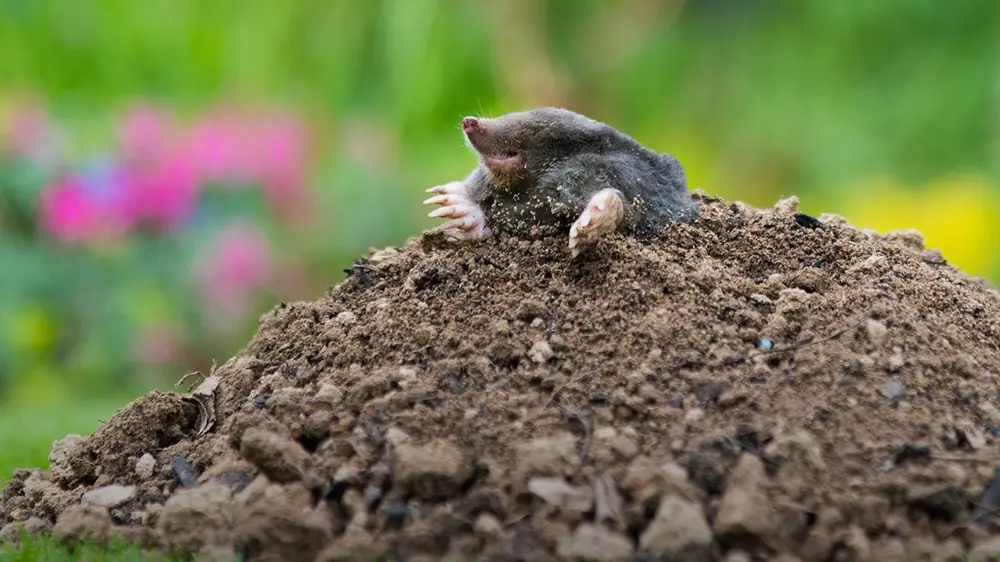
Mole control in Johannesburg South starts with knowing which animal is digging. The big mounds that wreck southern lawns are usually made by mole-rats, which eat roots and bulbs, while golden moles leave raised ridges as they hunt for grubs. We identify the culprit, trap mole-rats in their active tunnels and advise on protecting beds.
Why lawns in the south get hit
The southern suburbs have a lot of what moles and mole-rats like: big gardens with lawns, beds of bulbs and vegetables, and open veld and grassland nearby. Stands in Mondeor, Glenvista, Southdale and Mulbarton often back onto open land or the slopes towards the Klipriviersberg, so the animals don't have far to travel. After the summer rains, soft soil makes digging easy, and that's when the mounds multiply.
People often confuse this damage with harvester termites, which also leave soil on the lawn. The difference is easy to see once you know it. Mole-rat mounds are large heaps of fresh, loose soil, often in a line, with no visible hole. Harvester termite activity is lots of tiny holes, each with a small ring of soil, along with bare, cut patches of grass. If that sounds more like your lawn, read about harvester termites in Johannesburg South instead.
Mole-rat or golden mole?
Mole-rats
Mole-rats are rodents. They live underground in tunnel systems and feed on roots, bulbs and tubers, which is why you find plants wilting overnight or bulbs vanishing from the bed. They push soil up through short side tunnels, leaving volcano-like heaps and then sealing the opening. One animal can produce a surprising number of mounds in a week.
Golden moles
Golden moles aren't rodents. They're small insect-eaters that tunnel just below the surface hunting earthworms and grubs, leaving raised, spongy ridges across the lawn rather than big mounds. They do less damage to plants, and the ridges can be pressed back down. We don't treat golden moles as we do mole-rats; we explain what's going on and how to manage the lawn.
How we handle mole-rats
- Find the active tunnels. We flatten fresh mounds and check which tunnels are reopened, because there's no point working in old ones.
- Trap in the main run. Traps go into the active tunnel system, set and covered so light and air don't warn the animal.
- Check and reset. Mole-rats can be wary, so traps are checked and moved if needed. Where there's more than one animal, it takes more than one visit.
- Protect the beds. We advise on mesh under new beds and around valuable plants, which stops the next animal from feeding there.
There's no product you can spray on a lawn to keep moles away, and we won't pretend otherwise. Physical trapping and barriers are what work.
Signs the problem is active
- New mounds appearing overnight, especially after rain or irrigation
- Bulbs, carrots and seedlings disappearing from the bed, or plants that pull out of the ground with no roots
- Soft, sinking patches of lawn where tunnels run close to the surface
- Raised ridges that you can press flat with your foot, then find raised again the next day
If mounds stop appearing for a couple of weeks, the animal may have moved on. If new ones keep coming, it's still there and still feeding.
Gardens next to the veld
A stand that borders grassland, a stream or the reserve will always be within reach of new animals. Trapping deals with the ones in your garden, but mesh barriers around beds and keeping an eye out for the first fresh mound each season make the biggest long-term difference. Catching a newcomer in its first week is far easier than tackling an established tunnel system.
What people get wrong
Running a hosepipe into the tunnels, or dropping in smoke bombs, mothballs and exhaust gas. Tunnel systems are long and branched, and the animal simply blocks the tunnel and moves on. It's also common to keep flattening mounds without ever dealing with the animal, which just gives you a level lawn until the next morning. Sit the job out with patience and traps, or call someone who will.
A tip for southern gardens
If you're planting new beds of bulbs or vegetables on a stand that backs onto veld, lay galvanised mesh about a spade's depth under the soil before you plant. It's a little extra work once, and it keeps mole-rats out of the beds for years.
What mole control costs, and why
The cost depends on how much of the garden is affected, how many animals are active and how many visits it takes to trap them. A single mole-rat in a suburban lawn may be a short job; a big stand next to open land, where new animals keep arriving, takes longer. Our price guide for pest control gives you the starting figure, and we'll be honest if a ridge or two from a golden mole is better left alone.
For other problems in your garden or house, see our overview of pests in the south or the local page for pest control in Glenvista. If you're elsewhere in the city, try mole control around Rosebank or the broader Johannesburg mole control page.
We're SAPCA registered, registered with the Department of Agriculture and have 25 years of experience, with service within 24 hours and a 3-month guarantee on our work. Call 084 200 2700, or WhatsApp us a photo of the mounds and we'll tell you what's digging.
Questions we get asked
How much does mole control cost?
It depends on how many animals are active and how many visits it takes to trap them. A single mole-rat is usually a short job; large stands next to open land take longer.
How do I know if it's a mole or a mole-rat?
Big heaps of loose soil with no open hole, and plants wilting from the roots, point to a mole-rat. Raised, spongy ridges across the lawn are usually a golden mole.
Do home remedies like mothballs or the hosepipe work?
Not really. The tunnel systems are long and branched, so the animal blocks the tunnel and carries on elsewhere. Trapping in the active run is what works.
Is it harvester termites or moles in my lawn?
Harvester termites leave lots of tiny holes with small soil rings and bare, cut grass. Moles and mole-rats leave large mounds or raised ridges.
Is trapping safe for my dogs?
Traps go down into the tunnels and are covered over, so pets can't reach them. We'll show you where they are.
Will more mole-rats come after you've trapped one?
On stands next to veld, it's possible. Mesh under beds and checking the lawn for fresh mounds early helps keep on top of new arrivals.