
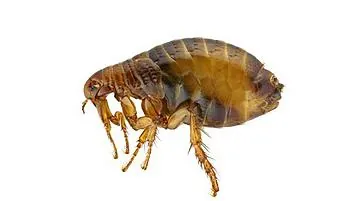
Flea control in Johannesburg South works when the house, the garden and the pets are all treated at the same time. Most southern flea problems start in shady yards and dog sleeping spots before moving indoors. We treat the indoor and outdoor breeding areas, and you treat the animals with your vet's product on the same day.
Why fleas are so common on southern stands
A lot of southern homes have dogs, often more than one, and big yards with shady corners under trees, behind the garage or along the side of the house. That's where flea larvae develop: in dust, sand and organic debris where pets lie, out of direct sun. Summer warmth and rain speed up the life cycle, which is why flea calls peak from late spring through to autumn. Even in winter, fleas carry on breeding indoors in carpets, rugs, couches and pet beds.
We also get a lot of calls from people who've just moved into a house in the south. The previous owners had pets, the house stood empty for a few weeks, and the moment new people walk in, a crop of hungry fleas hatches from the carpets. It's one of the most common surprises of moving day.
Understanding the flea life cycle
Adult fleas live on the animal, but they make up only a small part of the population. Most of it is hidden in the environment as eggs, larvae and pupae. The eggs fall off the pet wherever it walks and sleeps. Larvae crawl away from light into carpet fibres, cracks in wooden floors and sandy soil. Pupae sit in a protective cocoon and can wait for weeks until vibration, warmth or carbon dioxide tells them a host is nearby. That's why treating only the dog fails: the next wave is already waiting in the house and the yard.
Signs you have fleas
- Small, itchy bites, often in clusters around ankles and lower legs
- Pets scratching, biting at their back and tail, or losing fur
- Black specks in the pet's coat or bedding that turn red-brown on wet paper (flea dirt)
- Tiny dark insects jumping on carpets, socks or pale floors
How we treat fleas
- Pets first, same day. Before or on the day of treatment, your animals should be treated with a flea product from your vet. We don't treat pets ourselves.
- Indoors. We treat carpets, rugs, under furniture, pet sleeping areas and the cracks along skirting boards and between floorboards, with a residual product that also stops larvae developing.
- Outdoors. We treat the places pets lie: the shady side of the house, kennels, the patio, under trees and the sandy patches by the gate where dogs wait.
- Follow-up if needed. In heavy infestations, pupae hatch after the first treatment, so a second visit clears the rest.
You don't need to leave the house. Keep children and pets off treated floors and lawn until they're dry.
Homes, rentals and complexes
Landlords letting a house after tenants with pets should have it treated before the next tenants move in; it's far easier on an empty house. In complexes, fleas can travel on cats that wander between units and gardens, so a flea problem in one unit sometimes needs a word with the neighbours or the body corporate.
What people get wrong
Stopping too early. After a treatment you may still see a few fleas for a week or two as pupae hatch and the new adults come into contact with the treated surfaces. Vacuuming every day in that time helps a great deal, because the vibration triggers pupae to hatch and the vacuum removes eggs. Don't wash or mop the treated carpets and floors for at least a week.
A tip for southern yards
Find the spot where your dogs lie in the shade on hot afternoons and rake it clean of leaves and debris each week. Those patches of loose soil and dust under trees are where most outdoor flea larvae live in southern gardens, and keeping them clean makes the whole treatment last longer.
What flea treatment costs, and why
The price is set by the size of the house, how much carpet and soft furnishing is involved, the size of the yard, and whether a follow-up visit is needed. A small flat with one cat is a light job; a family home with three dogs and a big garden takes more product and time. See our pest control price list for the guide price. If it's a minor problem caught early, a vet treatment for the pets and a thorough vacuum may be enough.
Dogs that pick up fleas often bring home ticks too, especially after walks in the veld; see tick control for southern homes. There's also our Robertsham pest control page and the full guide to pests in Johannesburg South. Further north we handle fleas in Rosebank homes, and for the city as a whole, flea control in Johannesburg.
We're SAPCA registered and Department of Agriculture registered, with 25 years in the business and service within 24 hours, and our flea treatments carry a 3-month guarantee. Call 084 200 2700, or WhatsApp us and we'll talk you through preparing the house.
Questions we get asked
How much does flea treatment cost?
It depends on the size of the house and yard, how much carpet there is and whether a follow-up is needed. A flat is a small job; a large home with several dogs takes longer.
Do you treat my dogs and cats?
No. Your pets should be treated with a product from your vet on the same day as our treatment, so the animals, the house and the yard are all done together.
Why am I still seeing fleas after the treatment?
Pupae can hatch for a week or two after treatment. The new fleas die when they contact the treated surfaces. Vacuum daily and don't mop treated areas for a week.
Is flea treatment safe for children and pets?
Yes, once it's dry. Keep children and animals off treated carpets, floors and lawn until they've dried completely.
We've just moved in and there are fleas everywhere. Why?
Fleas from the previous owners' pets stay in the carpets as pupae and hatch when new people move in. A full treatment of the house sorts it out.
What should I do before you arrive?
Vacuum all carpets and furniture, wash pet bedding, clear the floors and arrange for your pets to be treated by your vet on the same day.