
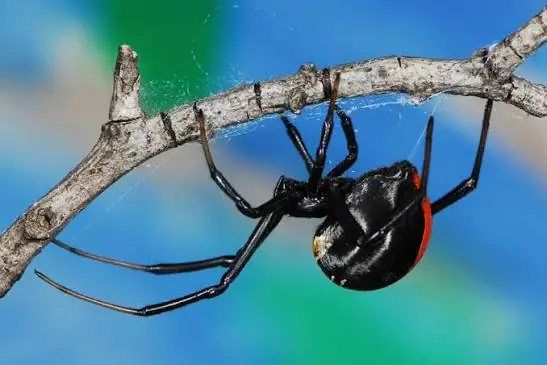
Spider control in Roodepoort starts with knowing which spider you're dealing with, because most are harmless and a few are not. We identify the species, clear webs and egg sacs, and treat the eaves, garages, window frames and garden harbourage with an odourless residual product. We also cut down the insects that attract spiders in the first place.
Why Roodepoort has so many spiders
Roodepoort is rockier and greener than many parts of Johannesburg. Ridges, koppies and veld run through and behind the suburbs, and gardens are full of rockeries, stone walls, wood piles and thick shrubs. All of that is spider habitat, and the insects that summer rains bring out give them plenty to eat. Outside lights left on at night draw moths and flies to the windows, and spiders quickly learn to build webs there.
The spiders we see most, and which matter
Rain spiders
These large, flat, brown huntsman spiders often appear on walls indoors just before or after a storm, which is how they got their name. They look alarming, but they're harmless to people and actually eat other insects. Many homeowners simply catch them under a container and put them outside.
Button spiders
Black button spiders (the local widow) and brown button spiders are the ones to take seriously. The black button spider has a shiny black body, sometimes with a red mark, and lives in untidy webs in wood piles, under rocks, in pot plant holders and around garden walls. Its bite can cause serious symptoms and needs medical attention. Brown button spiders are more common around homes, under outdoor furniture and in meter boxes; their bite is generally milder.
Sac spiders
Small, pale sac spiders hide in silk sacs in curtain folds, behind pictures and in the corners of ceilings, and wander at night. They're responsible for many of the bites people notice in the morning. A sac spider bite can become painful and slow to heal, so see a doctor if one blisters.
Violin spiders
These pale brown spiders with long thin legs are less common, but they're found in Gauteng and prefer undisturbed, dry places like storerooms, garages and behind furniture. Their bite can cause tissue damage. If you think you've been bitten, see a doctor and, if you can, bring the spider.
How we treat spiders
We start with an inspection inside and out, focusing on the eaves, gutters, window and door frames, garages, carports, meter boxes, outdoor furniture and rockeries. Webs and egg sacs are removed. Then we apply an odourless, non-staining residual treatment to the places spiders build and shelter, especially along eaves, around window frames and doors, in the garage and around the base of the walls. Indoors, we treat the corners, behind furniture and other hiding spots. Nobody has to move out, though children and pets should keep off sprayed surfaces until they've dried.
The common mistake
Treating the spiders and ignoring their food. If an outside light pulls in moths every night and the gutters are full of flies, new spiders will move in to feed. Switching to yellow outdoor bulbs or motion-sensor lights, and keeping gutters clear, makes the treatment last much longer.
A Roodepoort tip
Wear gloves when you move firewood, stack rocks, lift pot plants or clean out the garage. Button spiders like exactly those dark, undisturbed corners, and most bites happen when someone reaches in without looking. Keeping wood piles off the ground and away from the house also helps.
Spiders and scorpions often share the same garden
The rockeries and stone walls that shelter spiders are also prime scorpion habitat, especially on properties backing onto the ridges. If you're finding scorpions too, see our scorpion treatments in Roodepoort, which we can combine with a spider treatment on the same visit.
What spider control costs, and why
The cost depends on the size of the house and garden, how many outbuildings and garages need treating, how high the eaves are, and how heavy the spider activity is. A single-storey townhouse is quicker than a double-storey home on a large property with rockeries and outbuildings. If you only see the occasional rain spider, you probably don't need us at all. A guide "from" price shows on this page, and you can compare it with our current pest control prices.
Nearby
For ridge-side homes and businesses, see our Constantia Kloof page. On the far side of the ridge we cover spider control in Northcliff, and our main page on spider control in Johannesburg has a fuller species guide. Every pest we deal with locally is on the Roodepoort hub.
Owner and operator Jason van Heerden brings 25 years of pest control experience to every spider call. Combat is SAPCA registered and is registered with the Department of Agriculture under Act 36 of 1947. We offer service within 24 hours, and spider treatments are guaranteed for three months. Phone 084 200 2700, or WhatsApp a clear photo of the spider and we'll identify it for you.
Questions we get asked
How much does spider control cost?
It depends on the size of the house and garden, the number of outbuildings and how high the eaves are. A townhouse costs less than a large property with rockeries and outbuildings.
Which spiders in Roodepoort are dangerous?
Black button spiders and violin spiders can cause serious bites, and sac spider bites can become painful. Rain spiders, despite their size, are harmless.
What should I do if I'm bitten by a spider?
Stay calm, wash the bite, and see a doctor, especially if you suspect a button or violin spider or the bite blisters. If you can, take the spider with you.
Will spiders come back after treatment?
The residual treatment keeps working on surfaces for weeks, and our spider treatments carry a 3-month guarantee. Reducing outdoor lights and clutter helps it last.
Is spider treatment safe for children and pets?
Yes, once it's dry. Keep them off treated surfaces until they've dried.
Why do rain spiders come inside before storms?
They're thought to seek shelter as the weather changes, and they follow insects that gather on walls. They're harmless and can be put outside.