
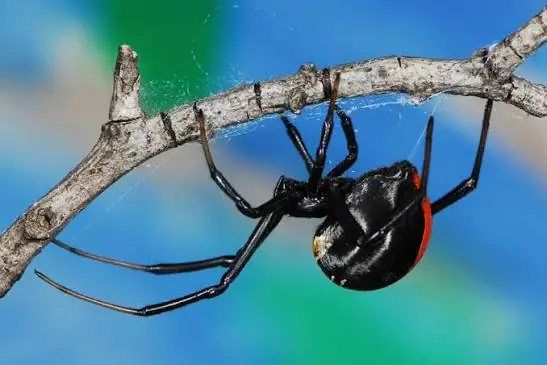
Spider control in Bryanston combines a residual treatment around the house with removal of webs and egg sacs, plus targeted work in garages, storerooms and garden furniture where the risky species hide. Most spiders are harmless and useful, so our aim is to keep them out of living spaces and deal with the few that can give a nasty bite.
Why so many spiders in Bryanston?
Spiders follow their food. Bryanston's big gardens, old trees, shrubs and outside lighting attract moths, flies and other insects, and wherever insects gather, spiders settle in to hunt them. Mature hedges, creepers on walls, rockeries, wood piles, pool-pump covers and garden sheds all give them shelter. In summer, outside lights along a long driveway or a lit patio can draw in insects from a large area, and the web-builders follow.
Rain spiders are a particular feature of the Highveld summer. They often come indoors just before or during a thunderstorm, which is how they got their name, and they can startle anyone with their size.
The spiders that matter
Rain spiders
Large, flat, brown hunting spiders that sit on walls and ceilings. They look alarming but are not aggressive and are generally regarded as harmless. Females guard a big, papery egg sac in shrubs, and when it hatches you may see dozens of small ones.
Button spiders
The ones to take seriously. The brown button spider is common around homes, especially under garden furniture, in pot plants, inside meter boxes and around pool equipment, and it makes a distinctive spiky egg sac. The black button spider is less common in gardens but has a stronger venom and is usually found in rockeries, low walls and undisturbed corners. Any suspected button spider bite needs medical attention.
Sac spiders
Small, pale, fast-moving spiders that hide in folded curtains, clothing and bedding by day. Their bites can cause a slow-healing sore. They are one of the more common causes of spider bites indoors.
Daddy long-legs and web spiders
Harmless, but they fill corners, eaves and garages with webs, which is what most people actually want gone.
How we treat spiders
We inspect the outside of the house, the eaves, windows, garages, outbuildings and the parts of the garden where spiders are most common. We then:
- Apply an odourless, non-staining residual barrier treatment around the outside perimeter, windows, doors and eaves
- Treat garages, storerooms, pump rooms and meter boxes where button spiders often live
- Treat the undersides of garden furniture and other sheltered spots near the house
- Remove webs and egg sacs we can reach, so a new generation doesn't hatch
Keep children and pets away from treated surfaces until they are dry. Because many spiders live outdoors, we focus on the house and its immediate surroundings, not the whole garden.
Big stands and cluster units
The spider problem looks different depending on where you live in Bryanston. On a large freestanding property, the pressure comes from the garden: long boundary walls covered in creepers, outbuildings, a lapa or covered patio with lights, and plenty of undisturbed corners. Treatment there concentrates on the house and the structures people use, and accepts that the far end of the garden will always have spiders. In a cluster complex the gardens are smaller, but webs build up on shared eaves, carports and boundary walls, and a treatment of the common property through the body corporate keeps every unit cleaner than individual owners spraying their own patios.
What people often get wrong
Spraying the spiders and ignoring the insects. If outside lights draw moths to the patio every night, spiders will keep coming back no matter how often they are sprayed. The other mistake is leaving egg sacs in place: one brown button spider egg sac can produce a lot of young.
A Bryanston tip
Wear gloves when you lift garden furniture cushions, pot plants or the lid of the pool-pump cover, and look under the arms of outdoor chairs before you sit. Those are the places where brown button spiders most often hide in Bryanston gardens. Switching outdoor lights to warm or yellow bulbs also attracts fewer of the insects spiders feed on.
What spider control costs, and why
The cost depends on the size of the house and its perimeter, how many outbuildings and garages are included, and how heavy the web and egg sac load is. A cluster unit with a small garden is a short visit; a large freestanding home with outbuildings, a lapa and long garden walls takes more time. Our pages show a guide "from" price, and the full list is on our pest control price page. If you have the odd rain spider in summer, catching it under a glass and putting it outside is perfectly reasonable.
The rockeries and walls that shelter spiders also hide scorpions; our scorpion control for Bryanston gardens often goes hand in hand with spider work. We also treat spiders in Randburg, homes in Bryanston West, and properties citywide through spider control across Johannesburg. See the Bryanston pest control overview for other local services.
Combat Pest Control brings 25 years of experience, SAPCA registration and registration with the Department of Agriculture to every job, under owner Jason van Heerden. We offer service within 24 hours, and spider treatments carry a 3-month guarantee. Call 084 200 2700, or WhatsApp us a photo of the spider and we will tell you what it is.
Questions we get asked
How much does spider control cost?
It depends on the size of the house, its perimeter and how many outbuildings are involved. A small unit is quick; a large property with garages and long garden walls takes longer. We confirm the price before we start.
Are rain spiders dangerous?
No, they are generally regarded as harmless and rarely bite. They are big and fast, which is frightening, but you can usually catch one under a glass and put it outside.
Which spiders in Johannesburg can be dangerous?
Button spiders, especially the black button spider, and sac spiders are the ones to watch. A suspected button spider bite needs medical attention.
Will the spray harm my kids or my dog?
No, once it has dried. The products are odourless and non-staining, and children and pets can use treated areas again as soon as the surfaces are dry.
How long does a spider treatment last?
Several weeks to a few months, depending on weather and how much insect food is around. Our spider treatments come with a 3-month guarantee.
Why do I get more spiders in summer?
Summer brings more insects for them to feed on, and rain spiders move indoors around storms. Outside lights and lush gardens make the effect stronger.