
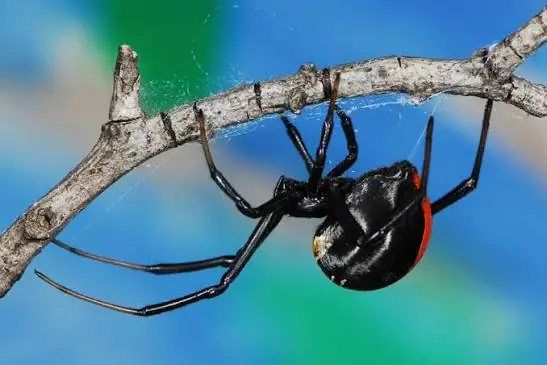
Spider control in Northcliff means reducing spiders around the house without pretending you can rid a hillside garden of them. We identify which spiders you're seeing, treat the eaves, windows, garages, rock gardens and other places they shelter with residual products, and cut the insect food that keeps drawing them in.
Why there are so many spiders on the ridge
Northcliff has more natural rock than most Johannesburg suburbs. Outcrops on the ridge, dry-packed stone walls, rockeries and loose paving all give spiders and the insects they eat safe, sheltered spots. The big trees and dense planting add more. Homes with large windows facing the view, lit up at night, pull in moths and flies, and the spiders follow.
Seasons matter. Spider sightings jump in summer, when insect numbers are high, and just before storms, when hunting spiders move indoors to stay dry. In autumn, some species move inside looking for shelter as nights cool.
The spiders we see most
Rain spiders
Big, brown, long-legged and alarming, usually seen high on a wall before rain. Despite their size, rain spiders are not considered dangerous to people. They hunt insects and rarely bite unless handled roughly. Most of our calls about them are about fright rather than harm, and many people prefer to catch and relocate them.
Sac spiders
Small, pale, fast spiders that hunt at night and shelter in silk sacs in curtain folds, behind pictures and in the corners of ceilings. They're the most common cause of spider bites in homes. A bite can become red, sore and slow to heal, and should be shown to a doctor if it worsens.
Button spiders
The brown button spider is common around homes, under garden furniture, in pot plants, in letterboxes and in the corners of garages, with a distinctive spiky egg sac. The black button spider prefers outdoor spots in rocky, undisturbed places. Black button spider bites need urgent medical attention. If you think you've been bitten, go to a doctor and take the spider with you if you can do so safely.
Baboon spiders
Large, hairy, ground-dwelling spiders that live in burrows on rocky slopes and in undisturbed gardens. They're rarely a problem unless you dig one up, and they're best left alone or relocated.
Where they hide on hillside properties
On our Northcliff visits, the same places come up again and again. High eaves on the downhill side of split-level homes, which nobody can reach with a broom. The frames of big view windows. Garage corners, storerooms and the gaps behind garden tools. Pot plants, braai areas and outdoor furniture left unused through winter. And the face of every stone wall and rockery, where hunting spiders wait for insects at night. Knowing these spots means we treat where spiders actually live rather than spraying every room.
How we treat spiders
- Identify and inspect. We check eaves, window frames, garages, outbuildings, garden furniture, rockeries and the base of walls, and look for egg sacs.
- Remove webs and egg sacs. Physical removal, especially of button spider egg sacs, prevents the next generation.
- Residual treatment. Odourless, non-staining products go onto eaves, window and door frames, garage corners and the places spiders hide outdoors.
- Reduce the food. Spiders follow insects. Where flies, moths or crawling insects are heavy, treating those makes a real difference.
You don't need to leave the house. Children and pets should keep off treated surfaces until they've dried.
The mistake: blaming every bite on a spider
Many bites blamed on spiders turn out to be fleas, bed bugs, mites or mosquitoes. Unless you actually saw the spider, a spray around the bedroom may miss the real cause entirely. We'll look for the other possibilities too, and if the bites keep coming, it's worth checking.
A Northcliff tip
Switch outside lights near windows and doors to warm-coloured bulbs, or put them on a motion sensor. Fewer moths around the windows at night means fewer spiders building webs there. On view-facing homes on the ridge, this one change is often noticeable within a few weeks.
What spider control costs, and why
The price depends on the size of the house, the number of outbuildings, how much of the garden and rockery is included, and whether insect treatment is needed alongside. A townhouse is a small job; a big split-level house with high eaves and a terraced garden takes more time and access equipment. Check our from prices for Johannesburg before you call. For the occasional rain spider, a glass and a piece of card is honestly all you need.
For more on species and bites, see spider control in Johannesburg. The same rock that shelters spiders also shelters scorpions, covered on our page about scorpion control in Northcliff. To the west, see spider control in Roodepoort, and for the flatter suburb at the foot of the ridge, our Cresta pest control page. The rest of our local work is listed on the Northcliff page.
Combat Pest Control is owned and operated by Jason van Heerden, with 25 years of hands-on pest control. We're SAPCA registered and registered with the Department of Agriculture under Act 36, offer service within 24 hours and give a 3-month guarantee on spider treatments. Call 084 200 2700, or WhatsApp us a photo of the spider.
Questions we get asked
Are rain spiders dangerous?
No, not to people. They're large and fast, which frightens people, but they hunt insects and seldom bite. Catch one under a glass and move it outside.
How much does spider control cost?
It depends on the size of the house, the outbuildings and how much of the garden is included. Our price guide shows the starting price.
What should I do if I'm bitten?
Clean the bite and watch it. If it becomes painful, spreads, blisters or you feel unwell, see a doctor. If you suspect a button spider, go straight away and take the spider if it's safe to.
Is spider treatment safe for children and pets?
Yes, once it's dry. Keep children and pets off treated surfaces until then.
How long does a spider treatment last?
It keeps working on treated surfaces for weeks, and our 3-month guarantee applies. Spiders from the garden will keep arriving, so reducing insects and outside lights helps.
Why do I see more spiders before it rains?
Hunting spiders like rain spiders move indoors to stay dry when a storm is coming, and they're drawn to insects gathering around lights.