
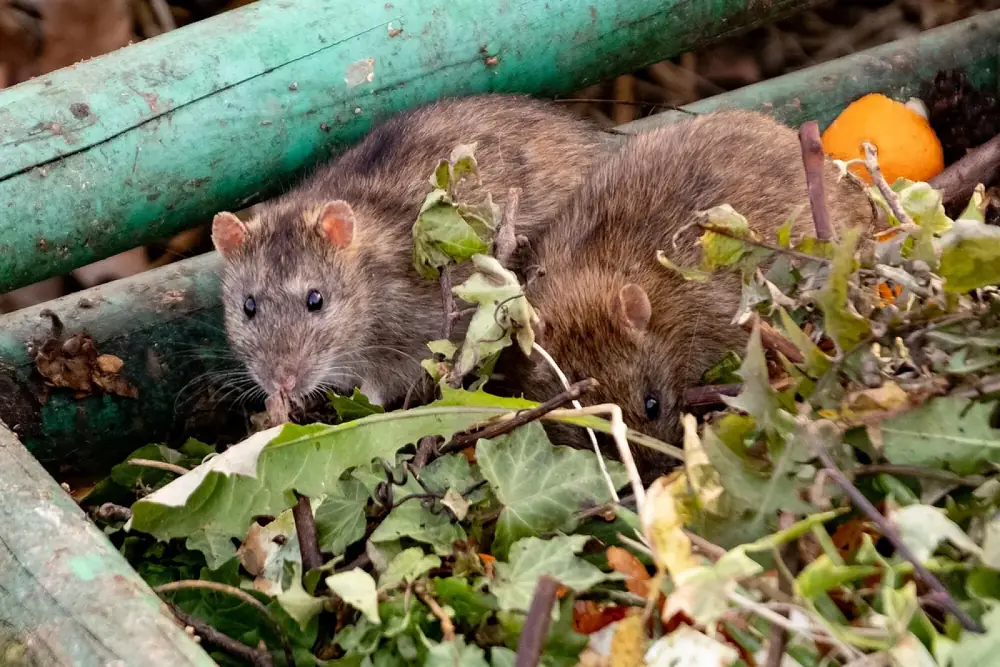
Rat control in Midrand usually starts where the food is: a feed room on a Kyalami plot, a chicken run, a complex refuse room or a compost heap backing onto the veld. We find the nest and the route into your roof or outbuildings, bait outside in locked stations, trap inside, and show you which gaps to seal.
Where Midrand rats come from
A lot of Midrand still has one foot in the countryside. Plots with horses, poultry and vegetable gardens sit a short walk from security estates and townhouse blocks, and undeveloped stands with long grass and old rubble lie between them. Rats breed in that cover through summer, feed on spilled grain, pellets and fallen fruit, and then move into the nearest warm building when the winter nights bite. If you are hearing scratching in the ceiling from about May onwards, that is usually the reason.
On the estate and complex side, the food is different but the pattern holds. Overflowing wheelie bins, pet bowls left on the patio, bird feeders and compost bins all feed rats, and shared roof spaces in Halfway Gardens or Vorna Valley let one family of rats work its way along a whole row of units.
What you will notice first
- Running or gnawing above the ceiling, usually after you have gone to bed.
- Droppings roughly the size of a raisin in the pantry, the garage or beside the feed bins.
- Holes chewed in feed bags, egg trays, irrigation pipes or plastic bins.
- Burrows at the base of stable walls, under the chicken coop or beneath paving next to the kitchen.
- Dark, greasy rub marks along beams, the top of walls or the edge of the feed room door.
- Dogs fixated on one corner of the yard, or a sudden unpleasant smell in one room.
Roof rats and brown rats on Midrand properties
We meet both here. Roof rats climb: they use trees, creepers, fences and electrical cables to get under the eaves, and they are the ones in ceilings. Brown rats dig: they live in burrows under outbuildings, coops, sheds and compost, and they come in at ground level through drains and gaps under doors. On plots we often find brown rats in the yard and roof rats in the house at the same time, which is why a proper inspection matters more than a quick bait drop.
How we clear rats
First visit. We look at the house, the roof space, the garage and every outbuilding, and trace runways back to the burrows and nests. On a smallholding that includes feed stores, tack rooms, chicken runs and manure heaps.
Baiting outside. Lockable, tamper-resistant bait stations go along walls and runways. They are anchored so dogs, horses, chickens and children cannot get at the bait, which matters a great deal on properties with animals.
Trapping inside. In the ceiling and living areas we use traps rather than poison, so you do not end up with a rat dying in a wall cavity.
Proofing. We show you exactly where they are getting in: gaps under the eaves, broken air vents, pipe holes, a roller door that no longer seals, branches resting on the roof.
Follow-up. Most homes need a return visit to check the stations and the traps. Plots with heavy activity may need a few.
Feed rooms: the heart of the problem on plots
If you keep horses or poultry, the single biggest change you can make is to store feed in sealed metal bins or drums rather than open bags, and to sweep up spilled feed every evening. Rats will put up with a lot of disturbance if there is an endless supply of food. Remove that supply and the stations do the rest much faster. Stables also attract flies for the same reason, and our page on flies around Midrand stables and homes covers that side.
The mistake that makes the smell worse
Tossing poison pellets into the roof through the trapdoor. The rats take the bait, die somewhere between the ceiling boards or inside a wall, and you live with the smell for weeks. Meanwhile the gap they came through is still open, so the next rats arrive within a season. Baiting without proofing and without stations is a short-term fix that often ends in a bigger problem.
What rat control costs, and why
A single house with rats in the ceiling is a straightforward job. The price rises with the size of the property, the number of stations, roof work, outbuildings, and the number of follow-up visits needed. A Kyalami plot with stables and poultry takes more time than a townhouse. Our price guide for pest control in Johannesburg shows the starting point, and this page shows a guide "from" price. If you have seen one rat once and nothing since, a couple of good traps may be enough, and we will tell you.
Plot owners in Kyalami will find more on their area's mix of pests on its own page. If the noise turns out to be smaller, try house mice in Midrand. Across the N1, our rat work in Fourways deals with similar estates, and the full approach is set out on our Johannesburg rat control page. Other pests we treat locally are on the Midrand pest control hub.
With 25 years in the industry, Jason van Heerden runs Combat Pest Control as a SAPCA registered business, also registered with the Department of Agriculture under Act 36. You get service within 24 hours and a 3-month guarantee on rat treatments. Call 084 200 2700, or send us a photo on WhatsApp of the droppings or the damage.
Questions we get asked
How much does it cost to get rid of rats in Midrand?
It depends on the property size, the number of bait stations, whether we work in the roof and how many outbuildings there are. A townhouse is a small job; a plot with stables and poultry takes longer. We quote after inspecting.
Is rat bait safe around horses and chickens?
In lockable, anchored stations it is far safer. The bait sits inside a box animals cannot open, and we place stations where livestock does not have access.
Why are rats worse in winter?
Cold nights push rats out of gardens, veld and outbuildings into warm roof spaces and storerooms. Many Midrand homes first hear them between May and August.
How long until the rats are gone?
Most homes see a clear drop within one to two weeks. Plots with lots of feed and cover nearby take longer and need follow-up visits.
Should I put poison in my roof myself?
We advise against it. Rats often die inside walls or ceiling voids, causing a strong smell, and the entry point stays open. Traps inside and stations outside work better.
Do rats carry disease?
Yes, they can spread disease through droppings and urine and contaminate food and animal feed. Clean up droppings wearing gloves, and do not sweep them dry.
What should I do before you arrive?
Note where you hear or see activity, keep pets indoors or in a closed area, and make sure we can get into the roof hatch, garage and outbuildings.