
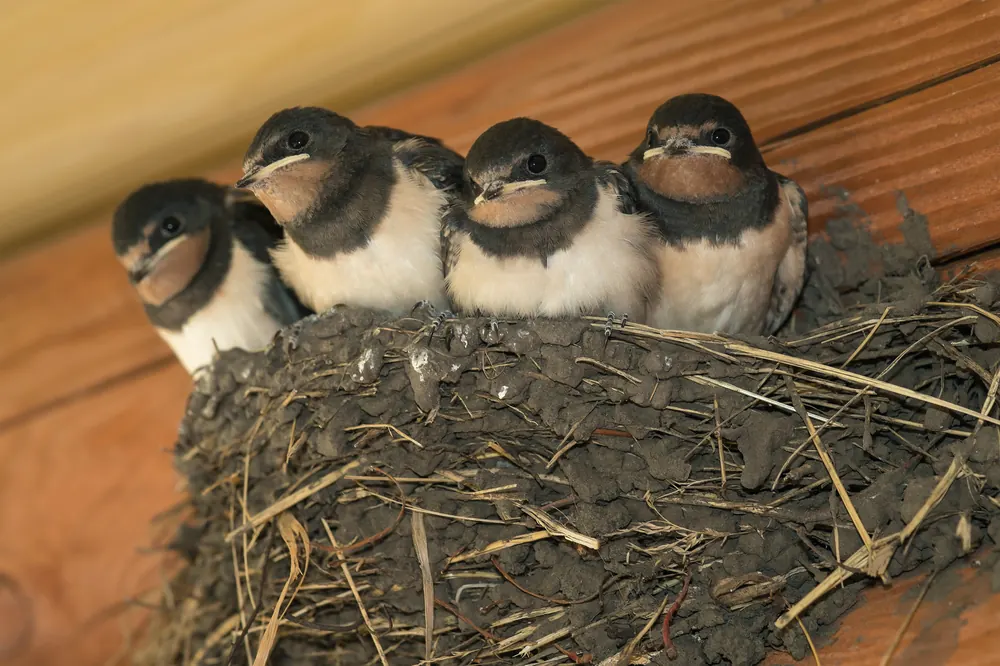
Bird mite control in Northcliff starts in the roof, not the bedroom. Bird mites live in the nests of pigeons, mynas and sparrows, and when the chicks fledge or the nest is abandoned, the mites move into the house looking for a host. We find and remove the nest, treat it and the affected rooms, and advise on bird proofing.
How bird mites end up in your house
Bird mites are tiny, barely visible specks, pale until they've fed and then reddish or dark. They live in birds' nests and feed on the nestlings. While the birds are there, you'll rarely notice them. When the young leave the nest, or the nest is abandoned or removed, a mass of hungry mites is left behind with no host. They spread out from the nest, through gaps in the ceiling, down light fittings and along walls, and they find people.
Bird mites can't live on people and can't breed on human blood, so they die out within a few weeks without birds. But in those weeks they cause itchy bites, crawling sensations and real distress, especially at night.
Why ridge homes are prone to it
Northcliff houses give birds a lot of nesting opportunities. Larger homes on the ridge often have complex rooflines with several sections, gaps under roof tiles and eaves, gutters and box gutters, and spaces behind fascia boards. Solar panels and geysers on the roof create sheltered gaps underneath that pigeons love. Older homes have more loose tiles, broken eaves and openings around the roof where birds can get in. Mynas and sparrows also nest in creepers, palm trees and gaps in walls close to windows.
Signs of bird mites
- Itchy bites, often at night, without an obvious cause
- Tiny moving specks on walls, windowsills, bedding or the bathroom basin, especially near the ceiling or a light fitting
- Birds nesting in the roof, gutters or under solar panels, often recently departed
- Activity concentrated in one or two rooms directly below the nest
Bites from bed bugs, fleas and other mites can look similar. The pattern of where the mites appear, and a nest nearby, usually tells the story.
How we treat bird mites
- Find the nest. We inspect the roof space, gutters, eaves, solar panel gaps and the outside of the house around the affected rooms.
- Treat and remove the nest. We treat the nest to kill the mites in it, then remove the nest material carefully so mites don't scatter.
- Treat the surrounding area. Roof space, eaves and the area around the nest site get a residual treatment.
- Treat affected rooms. Odourless, non-staining residual products go into cracks, around skirtings, window frames, light fittings and bed frames in the rooms where mites have been seen.
- Bird proofing advice. Sealing gaps, fitting mesh under solar panels and netting or spikes on ledges stop birds nesting again.
You don't need to move out. Treated surfaces need to dry before children and pets go near them.
The mistake: removing the nest yourself
Pulling a nest out of the gutter or roof without treating it first is the most common way people start a bird mite problem. It sends the mites looking for a new host straight away, often into the house. Treat the nest first, then remove it.
Stopping birds coming back
Once the nest is gone, sealing the entry point is what prevents a repeat. Our bird proofing services in Johannesburg cover spikes, netting and sealing gaps, including the space under solar panels, which has become one of the most common pigeon nesting sites on Johannesburg roofs.
A Northcliff tip
If you've had pigeons or mynas nesting in the roof and the bird activity has just stopped, that's the time to act. Call before the mites appear in the bedroom, not after. Watching the birds come and go in spring tells you exactly where to look.
What bird mite control costs, and why
The cost depends on how many nests there are, how easy the roof is to access, how many rooms need treating and whether bird proofing is added. One nest in an accessible roof space with one affected bedroom is a manageable job; a large house with several nests and multiple rooflines takes longer. You'll find starting prices on the prices page. Bird proofing is quoted separately once we've seen the roof.
For more on bird mites, see bird mite control across Johannesburg. We also treat bird mites in Randburg homes, and the complexes and family homes of Cresta nearby have their own page. Roof spaces that birds can get into are often used by rats too, so read about rat control in Northcliff if you've heard scratching overhead. Everything we do locally is on our Northcliff pest control page.
Jason van Heerden is the owner and operator of Combat Pest Control, with 25 years of experience. We're SAPCA registered and registered with the Department of Agriculture under Act 36, we offer service within 24 hours, and bird mite treatments carry a 3-month guarantee. Call 084 200 2700, or WhatsApp us a photo of where the birds were nesting.
Questions we get asked
Can bird mites live on people?
No. They bite people but can't breed on human blood, so they die out within a few weeks without birds. The bites are real, though, and the nest needs to be removed to stop more coming.
How much does bird mite treatment cost?
It depends on the number of nests, roof access, how many rooms are affected and whether bird proofing is added. Our price guide shows the starting price.
How do I know it's bird mites and not bed bugs?
Bird mites are tiny moving specks, often near the ceiling, light fittings or windows, with a bird nest nearby. Bed bugs are larger, flat and brown, and hide in the bed itself.
Do I need to leave the house during treatment?
No. Keep the children and pets out of the treated bedrooms until the surfaces dry.
How quickly will the bites stop?
Most homes see a big improvement within a few days of the nest being treated and removed and the rooms being treated.
Should I remove the bird nest myself?
No. Removing an untreated nest scatters the mites into the house. Treat it first, then remove it.
How do I stop birds nesting in my roof again?
Seal the entry points, fit mesh under solar panels and use spikes or netting on ledges. We can advise on what suits your roof.