
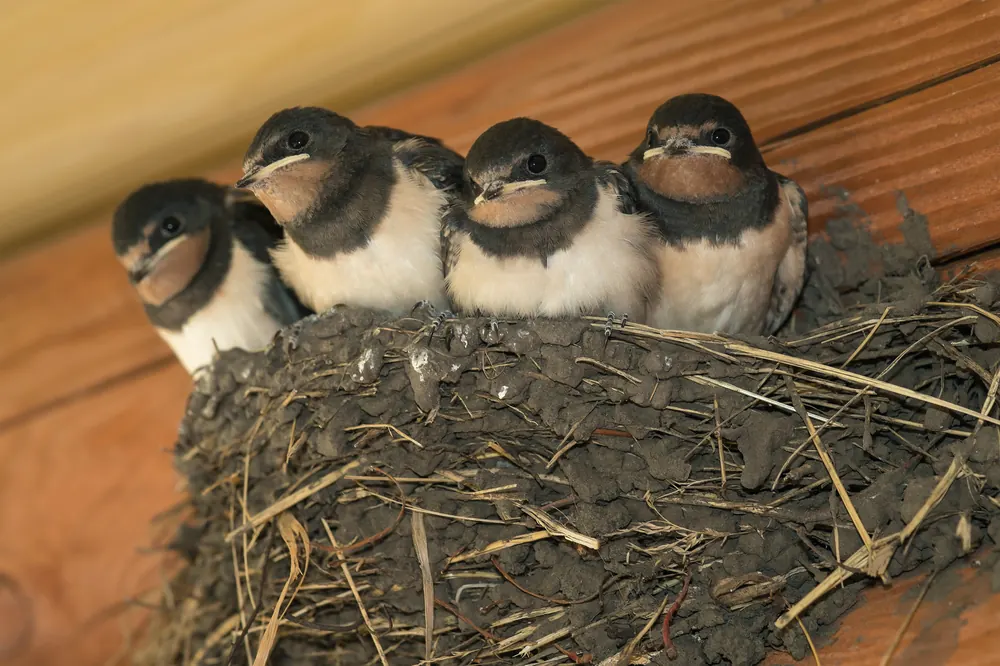
Bird mite control in Soweto means dealing with the nest, not only the bites. The mites come from pigeons, sparrows or mynas nesting in the roof, under sheeting or in gutters. When the chicks leave, the mites go looking for food and find people. We remove the nest, treat the roof and rooms, and help bird-proof the gaps.
Where bird mites come from
Bird mites are tiny, barely visible with the naked eye, and live on wild birds and in their nests. While chicks are in the nest they feed on them and multiply quickly. Then the young birds fledge, or a nest is abandoned or cleared, and thousands of hungry mites spread out from the nest. They crawl through ceiling boards, light fittings, cracks around the roof and air vents into the rooms below.
Bird mites can't live long or breed on people, but while they search they bite, and the bites itch badly. Many families in Soweto first think they have bed bugs or scabies.
Why Soweto roofs attract nesting birds
Many Soweto homes have corrugated iron or tiled roofs with open gaps along the top of the walls, especially where an extension or backyard room roof meets the original house. Pigeons, sparrows and Indian mynas use those gaps to get under the sheeting and nest on top of the wall plate or ceiling boards. Pigeon lofts kept in yards, spilt grain and chicken feed also draw wild birds in. In spring and summer, when birds breed, bird mite problems follow.
Signs it's bird mites
- Itchy bites, often in small groups, that appear at night or when sitting in a certain room.
- Tiny moving specks, pale or reddish, on bedding, walls, window sills or the bathroom basin.
- Birds nesting in the roof, gutters or under sheeting, especially if the nest was recently abandoned.
- Bites concentrated in rooms directly below where the birds were nesting.
- No signs of bed bugs: no dark spots on mattress seams and no shed skins.
If you're not sure, our page on bed bugs in Soweto explains how those are different. We can confirm which one it is during the inspection.
How we treat bird mites
- Find the nest. We inspect the roof space, gutters, gaps under sheeting and the eaves to locate active and old nests.
- Targeted nest treatment and removal. The nest and nesting material are treated and removed, because they hold large numbers of mites.
- Treat the roof space and affected rooms. We apply a residual treatment where the mites are entering: ceiling edges, light fittings, cracks, window frames and the rooms where bites are happening.
- Bird proofing. We advise on sealing the gaps birds used, or fit proofing like spikes, netting and gap sealing so they can't nest there again. See our bird proofing services for the options.
You don't need to move out. Wash bedding on a hot cycle, vacuum the rooms, and keep children and pets out of treated rooms until surfaces are dry.
Pigeons kept in the yard
Some Soweto families keep pigeons for racing or as a hobby, and lofts in the yard are a normal sight. Kept birds are usually far less of a mite problem than wild ones, because their lofts are cleaned and the birds are cared for. Still, a neglected loft, old nesting material or wild pigeons drawn in by the spilt grain can build up mites that find their way into the house next door. If you keep birds, clean out old nest material regularly, store feed in sealed containers and keep the loft a sensible distance from bedroom windows. If bites start, we treat the loft area as well as the house.
What people get wrong
Clearing out the nest themselves and then going to bed. Removing a nest without treating it releases all the mites at once, often making the biting much worse for a few days. The other mistake is treating the bedroom over and over without dealing with the roof. As long as the nest is up there, mites keep coming down.
A tip for Soweto homes
Walk around the house and look at the line where the roof sheeting meets the top of the walls. Where you can see daylight or a gap the size of your fist, birds can get in. Close those gaps in winter, before nesting starts, and you'll avoid both the birds and their mites.
What bird mite treatment costs
The cost depends on how many nests there are, how easy the roof space is to reach, how many rooms need treating and whether you want bird proofing done at the same time. One sparrow nest above a bedroom is a modest job. Several pigeon nests along the roof of a house and backyard rooms is more work. Our Johannesburg pest control prices show the guide price, and we'll quote after inspecting.
Nearby pages
Homes in Diepkloof have a local page, and our Soweto overview lists the other pests we deal with here. In the west, we treat bird mites in Roodepoort, and the city-wide page is bird mite control across Johannesburg.
Combat Pest Control, owned and run by Jason van Heerden, is SAPCA registered and registered with the Department of Agriculture, with 25 years of experience. Book for service within 24 hours, with a 3-month guarantee on the treatment. Call 084 200 2700, or WhatsApp a photo of the nest or the specks you've found.
Questions we get asked
How much does bird mite treatment cost?
It depends on the number of nests, access to the roof and how many rooms need treating, and whether you add bird proofing. We confirm after inspecting.
Are bird mites the same as bed bugs?
No. Bird mites are much smaller, come from bird nests and can't breed on people. Bed bugs live and breed in beds and furniture. The treatments are different.
How long do bird mites last after the birds leave?
Without treatment, they can keep biting for a few weeks while they search for food. Treating the nest and the rooms stops it much faster.
Can bird mites live on my skin?
No. They bite people but can't survive or breed on humans. Once the source is removed, they die off.
Should I remove the nest myself?
No. Disturbing an untreated nest releases all the mites at once. Leave it for us to treat first.
How do I stop birds nesting in my roof again?
Seal the gaps under the roof sheeting and along the top of the walls, or have spikes or netting fitted where birds land and nest.
What should I do before you arrive?
Wash bedding on a hot cycle, vacuum the affected rooms, and keep the roof hatch clear so we can reach the nest.